Excellent
Next day delivery! Depending on Availability*
Here to help! Monday to Friday, 8:30AM-5:30PM*

The Rise of Hybrid Meeting Technology

Hybrid meeting technology

In today’s fast-paced world, companies are constantly looking for innovative ways to conduct meetings that are efficient, cost-effective, and flexible. Hybrid meeting technology is a solution that meets these requirements and more.  

The rise of hybrid meeting technology has revolutionised the way we conduct business and communicate. Hybrid meeting technology combines in-person and virtual meetings, allowing participants to join meetings from anywhere worldwide. This technology has become increasingly popular due to its convenience and cost-effectiveness.

Hybrid meeting technology allows individuals to connect via video conferencing, web conferencing, or other virtual meeting platforms. This allows remote teams to collaborate more effectively and small businesses to hold meetings without expensive travel. Hybrid meeting solutions also allow for more attendee engagement, customisation, and networking opportunities, making it an ideal choice for events and educational institutions.

Hybrid meeting technology is a game-changer that has transformed how we communicate and do business. With its affordability, flexibility, and scalability, it’s no wonder hybrid meeting technology has become the preferred choice for remote teams, small businesses, and educational institutions alike. As we move forward, we can expect hybrid meeting technology to continue to evolve and improve, providing even more benefits and opportunities for all. 

The benefits of hybrid meeting technology

Companies that adopt hybrid meeting technology can benefit from increased productivity and cost savings while improving attendee engagement and satisfaction. It provides many benefits, including:

  • Accessibility and Flexibility

Hybrid meeting technology offers accessibility and flexibility to attendees. Attendees can participate in meetings from the comfort of their own home or office. They can also join meetings from their mobile devices, making it easier for them to participate on-the-go. This technology also provides accessibility to people with disabilities, making it easier for them to participate in meetings.

  • Improved Engagement

Hybrid meeting technology provides tools to improve attendee engagement. Attendees can participate in live polls, Q&A sessions, and breakout rooms. These features enable attendees to interact with each other and with the presenter, making meetings more engaging and interactive.

  • Cost Savings

Hybrid meeting technology saves costs for both the company and the attendees. Attendees do not have to travel to the meeting location, reducing travel costs. Companies do not have to rent large meeting rooms, saving on venue costs. Additionally, companies do not have to provide meals and accommodation for attendees, further reducing costs.

  • Increased Reach and Attendance

Hybrid meeting technology increases the reach and attendance of meetings. Attendees can participate in meetings from anywhere in the world, increasing the number of attendees. Companies can also record meetings and make them available for on-demand viewing, further increasing reach and attendance.

  • Improved Collaboration and Communication

Hybrid meeting technology improves collaboration and communication among attendees. Attendees can collaborate on documents and share screens, enabling them to work together more effectively. This technology also provides a chat feature, enabling attendees to communicate with each other during the meeting.

The advancements in hybrid meeting technology

As the world continues to embrace digital transformation, hybrid meeting technology has become an essential tool for businesses, non-profits, educational institutions, and even individuals who need to host meetings and events remotely.

AR & VR

Hybrid meeting technology has been around for some time, with video conferencing and web conferencing being the most commonly used technologies. However, with the recent advancements in virtual reality (VR) and augmented reality (AR), we are now seeing more immersive and interactive hybrid meeting solutions that can simulate face-to-face meetings.

Virtual meetings are a popular option for businesses that want to connect with remote teams, clients, or partners from different locations. With hybrid meeting software, virtual meetings can be more engaging and interactive, thanks to features such as real-time collaboration, screen sharing, and whiteboarding. Attendees can also participate in the meeting using their mobile devices, making it easier for them to join the meeting from anywhere.

One of the latest advancements in hybrid meeting technology is the use of VR and AR. These technologies allow attendees to participate in a meeting or event as if they were physically present. For example, in a VR-based hybrid event, attendees can interact with each other and the virtual environment using VR headsets, controllers, and sensors. This can make the experience more engaging, immersive, and memorable.

Artificial Intelligence

Artificial intelligence (AI) is also being integrated into hybrid meeting software to improve the overall experience. AI-powered features such as automatic speech recognition, natural language processing, and sentiment analysis can help to transcribe the meeting, analyze the conversation, and provide insights into attendee engagement levels.

Interactive Displays 

Interactive displays are another recent advancement in hybrid meeting technology that can enhance the visual experience. With interactive displays, attendees can interact with the meeting content using touch screens, gestures, and styluses. This can make the meeting more dynamic and engaging, especially for presentations or training sessions.

IV. Hybrid meeting technology in the workplace

Hybrid meeting technology is an essential component of modern workplaces, enabling teams to collaborate effectively regardless of their location or time zone. 

Hybrid Meeting Technology For Remote Workforce

As more companies shift to remote work, hybrid meetings have become increasingly popular. Hybrid meeting technology allows for both in-person and remote attendees to participate in the same meeting, conference, or event. This technology has quickly become essential for businesses, non-profits, educational institutions, and organizations of all sizes.

Hybrid meeting solutions offer a wide range of benefits for remote workforces. Video conferencing allows for face-to-face communication, regardless of location. Virtual meetings can save time and money by eliminating the need for travel. Hybrid meeting software with customizable features and attendee engagement tools can help to increase productivity and engagement during meetings.

Hybrid Meeting Technology For Small Businesses and Non-Profits

For small businesses and non-profits, affordable hybrid meeting technology is available to help reduce costs while still providing high-quality virtual and in-person experiences. Hybrid event technology for educational institutions can provide students and faculty with an interactive learning experience, regardless of location. Hybrid event platforms for networking events can bring people together from all over the world, increasing opportunities for collaboration and connection.

Web conferencing, virtual hybrid events, and hybrid event management can help organizations to host successful events and meetings, no matter the location. Hybrid meeting technology for remote teams allows for efficient communication and collaboration, increasing productivity and reducing the feeling of isolation that can come with remote work.

Challenges in implementing hybrid meeting technology

As businesses and organizations adjust to a new normal in the wake of the COVID-19 pandemic, hybrid meeting technology has emerged as a crucial tool for facilitating remote communication and collaboration. However, the implementation of this technology comes with its own set of challenges, including technical difficulties, security and privacy concerns, and training and adoption.

  • Technical Difficulties

One of the most significant challenges in implementing hybrid meeting technology is dealing with technical difficulties. These difficulties can arise due to various factors, such as poor internet connectivity, incompatible devices, and software glitches. Such issues can lead to delays, disruptions, and frustration, ultimately impacting the effectiveness of the meeting.

To mitigate technical difficulties, it is crucial to conduct a test run of the hybrid meeting software and equipment beforehand. This will allow the organizers to identify and troubleshoot any technical issues in advance, minimizing the risk of disruptions during the actual meeting. Additionally, providing clear instructions and guidelines for participants to follow can also prevent technical difficulties.

  • Security and Privacy Concerns

Another significant challenge in implementing hybrid meeting technology is addressing security and privacy concerns. The use of online platforms and tools for remote communication increases the risk of cyber threats, such as hacking, data breaches, and malware attacks. Additionally, the privacy of participants can be compromised if the meeting is not conducted in a secure and confidential environment.

To ensure the security and privacy of hybrid meetings, it is essential to use reliable and trustworthy hybrid meeting software solutions. These solutions should provide features such as end-to-end encryption, multi-factor authentication, and secure data storage. It is also crucial to educate participants on best practices for securing their devices and protecting their personal information.

  • Training and Adoption

Finally, another challenge in implementing hybrid meeting technology is ensuring that participants are adequately trained and willing to adopt the technology. Resistance to change and a lack of familiarity with new technology can hinder the adoption of hybrid meeting technology, reducing its effectiveness and value.

To address the challenge of training and adoption, it is essential to provide comprehensive training to participants on how to use the hybrid meeting platform and software. This training should cover all aspects of the technology, including its features, functionalities, and best practices. Additionally, providing ongoing support and assistance to participants can also encourage adoption and increase the effectiveness of the hybrid meeting technology.

Best practices for implementing hybrid meeting technology

Conducting A Needs Assessment

Before implementing hybrid meeting technology, it’s important to conduct a needs assessment to determine which tools and features are essential for your organization. Consider the size of your organization, the number of attendees you expect to have, and the types of events you’ll be hosting. This will help you choose the right hybrid meeting software or platform that meets your specific needs. Additionally, you can use this assessment to identify areas where hybrid meeting technology can improve your current operations.

Ensuring Compatibility With Existing Technology

Compatibility with existing technology is crucial when implementing hybrid meeting technology. Ensure that the software or platform you choose can integrate with your existing systems, such as your video conferencing software and hardware. This will help prevent any technical difficulties during the meeting and ensure a seamless experience for attendees.

Providing Adequate Training And Support

Implementing hybrid meeting technology requires training and support to ensure that all attendees can participate fully in the meeting. Adequate training and support can help your organization get the most out of the technology and avoid any disruptions during the meeting. Consider offering online tutorials, webinars, or live support to help attendees become familiar with the hybrid meeting software or platform.

By following these best practices, you can make the most out of hybrid meeting technology and provide an excellent experience for all attendees.

The Future of hybrid meeting technology

Hybrid meeting technology is rapidly evolving, and businesses need to stay up-to-date with the latest trends to meet their customers’ needs. Hybrid events, virtual events, and online events have also become more popular, allowing people to attend from anywhere in the world.

Affordable hybrid meeting technology is now available, making it easier for small businesses and non-profits to take advantage of hybrid meeting solutions. Hybrid meeting software with customizable features and attendee engagement tools are also becoming more prevalent. 

The best hybrid meeting technology providers offer hybrid meeting software solutions that are user-friendly, with features and benefits that cater to businesses of all sizes. Hybrid meeting technology reviews and comparisons can help businesses choose the right technology for their needs. Understanding how to use hybrid meeting technology is essential, and there are plenty of resources available for beginners. With the right hybrid meeting technology, businesses can stay ahead of the competition and provide their customers with the best experience possible.

The Impact Of Hybrid Meeting Technology On The Workplace And Society

Hybrid meeting solutions have become an indispensable tool for businesses and organizations worldwide. Virtual meetings and video conferencing are just a few examples of how hybrid meeting software is transforming the workplace. By allowing team members to connect and collaborate from anywhere in the world, hybrid events have made it easier than ever for businesses to operate on a global scale. 

Furthermore, hybrid event technology is not limited to the workplace. Online events and virtual hybrid events have become increasingly popular for educational institutions, networking events, and training sessions. Hybrid meeting technology is also changing the way we approach outdoor events. Hybrid meeting equipment for outdoor events has become increasingly popular, allowing organizers to combine the benefits of in-person events with the convenience of virtual meetings.

In conclusion, hybrid meeting technology has had a significant impact on the workplace and society as a whole. By providing new and innovative ways to connect and collaborate, hybrid meeting solutions have become an essential tool for businesses, organizations, and individuals alike. Whether you’re looking to host a remote meeting or plan a hybrid event, there is a hybrid meeting software solution that can help you achieve your goals.

FAQs

Q. Is hybrid meeting technology?

Hybrid meeting technology is a combination of in-person and virtual meeting technologies that allows participants to join a meeting either in person or remotely, from anywhere in the world.

Q. How does hybrid meeting technology work?

Hybrid meeting technology works by combining the use of physical meeting spaces, such as conference rooms or event venues, with virtual meeting platforms, such as video conferencing software or live streaming services.

Q. What are the benefits of using hybrid meeting technology?

The benefits of hybrid meeting technology include increased flexibility and accessibility for participants, the ability to reduce travel costs and carbon footprint, and the potential for higher attendance and engagement rates.

Q. What are the best hybrid meeting technology providers?

Some of the best hybrid meeting technology providers include Zoom, Microsoft Teams, Webex, BlueJeans, and GoToMeeting.

Q. What is the difference between hybrid and virtual meetings?

Virtual meetings are entirely online, while hybrid meetings combine virtual and in-person elements. Hybrid meetings allow participants to choose how they want to attend the meeting, either in person or remotely.

Q. How do you host a successful hybrid meeting?

To host a successful hybrid meeting, it is important to have a clear agenda, use high-quality audio and video equipment, provide technical support, and engage both in-person and remote participants throughout the meeting.

Q. What equipment is needed for hybrid meetings?

The equipment needed for hybrid meetings includes a high-quality camera, microphone, and speaker system, as well as a reliable internet connection and virtual meeting software.

Q. How do you engage attendees in a hybrid meeting?

To engage attendees in a hybrid meeting, it is important to create opportunities for interaction, such as Q&A sessions or small group discussions, and to use engaging visuals and presentations.

Q. How can hybrid meeting technology improve remote collaboration?

Hybrid meeting technology can improve remote collaboration by providing a platform for real-time communication, enabling the sharing of documents and other resources, and allowing remote participants to feel more connected to in-person participants.

Q. What are the advantages of hybrid events over in-person or virtual event?

The advantages of hybrid events over in-person or virtual events include increased flexibility for participants, the ability to reach a wider audience, and the potential for higher engagement and participation rates.

Picture of Meeting Store

Meeting Store

Table of Contents

Impact of AV equipment on productivity
productivity

Drive Change: The Massive Impact of AV Equipment on Productivity

In the fast-paced landscape of modern business, productivity reigns supreme. As workplaces evolve to keep pace with technological advancements, the role of AV equipment in transforming workplace efficiency has become increasingly evident.AV equipment, once considered a convenience, has evolved into an indispensable tool for maximizing productivity. The Impact of AV equipment on productivity is undeniable, as it revolutionizes the way organizations operate. Through seamless integration of audiovisual solutions, workplaces experience a paradigm shift towards technology-driven efficiency, communication enhancement, and teamwork amplification.AV technology isn’t just about presentations; it’s a suite of productivity enhancement tools. Its influence extends beyond enhancing workplace efficiency, delving into transforming traditional modes of communication and presentation. This amalgamation of communication technology benefits and audiovisual technology advantages empowers organizations to achieve a productivity boost that goes beyond expectations.At the heart of AV equipment’s impact lies its ability to unlock workplace efficiency improvement. The integration of multimedia tools, collaborative solutions, and audiovisual systems serves as the catalyst for a workplace transformation that’s centered around optimized productivity. AV tools impact various aspects, from remote work efficiency to efficient presentations, seamlessly blending into the modern workplace’s fabric.Logitech MTR (Tap + Meetup) Setup & Demo  Enhancing Productivity with AV TechnologyIn today’s rapidly evolving work landscape, the integration of AV technology has become a pivotal catalyst for boosting productivity and transforming workplaces. AV equipment, encompassing a spectrum of audiovisual solutions, is reshaping traditional methods of communication and collaboration. As we delve into the impact of AV equipment on productivity, it becomes evident that this technology-driven efficiency transcends conventional boundaries, propelling the modern workplace into new dimensions of effectiveness.AV Equipment: Beyond Conventional ToolsGone are the days when presentations were limited to static slides and monotonous speeches. The utilization of AV equipment introduces a dynamic element that captures attention and stimulates engagement. Multimedia tools, backed by AV technology benefits, enable the seamless fusion of visuals, audio, and interactive content. This innovative approach surpasses the capabilities of traditional communication tools, resonating deeply with audiences and facilitating information retention.Engaging the Senses, Amplifying ProductivityAt the core of AV technology’s impact lies its ability to engage multiple senses simultaneously. Visual communication impact is heightened when combined with auditory cues, resulting in a holistic understanding of conveyed messages. Research shows that the brain processes and retains information more effectively when presented through diverse sensory channels. This unique attribute of AV equipment plays a pivotal role in enhancing productivity through enriched learning experiences.AV Solutions: Transforming Presentations and CommunicationConsider the transformation of presentations in a modern workplace. AV integration advantages enable speakers to deliver compelling narratives by incorporating videos, animations, and immersive graphics. This technology-enabled work not only captures attention but also conveys complex ideas succinctly. Furthermore, collaborative tools’ efficiency is amplified through AV systems, fostering teamwork enhancement by enabling real-time sharing and interaction.Maximizing Productivity with AV EquipmentOne notable instance of maximizing productivity with AV equipment is its role in remote work efficiency. The COVID-19 pandemic accelerated the adoption of technology-driven productivity tools, including AV solutions. Businesses shifted to virtual operations, relying heavily on AV technology for seamless communication and collaboration. The impact of AV equipment on remote work efficiency is undeniable, as it bridges geographical gaps and facilitates a cohesive work environment.Unlocking the Modern Workplace’s PotentialThe synergy between AV equipment and workplace transformation is undeniable. Audiovisual system benefits go beyond superficial aesthetics, fundamentally altering the way teams interact and exchange ideas. Technology-enabled collaboration enhances the modern workplace’s effectiveness, breaking down communication barriers and fostering innovation. AV Solution Impact on Productivity Multimedia Equipment Amplifies engagement and information retention through visuals Collaborative Tools Facilitates real-time interaction and teamwork enhancement Remote Work Solutions Bridges geographical gaps, enabling efficient remote operations Presentation Systems Transforms presentations into compelling, informative experiences   Impact of AV Equipment on Remote Work EfficiencyThe modern workplace is undergoing a profound transformation, driven by the rise of remote work. This shift has brought about a myriad of challenges, from maintaining effective communication among geographically dispersed teams to ensuring seamless collaboration. As businesses adapt to this new reality, the role of AV equipment in enhancing productivity and bridging communication gaps has become increasingly vital.AV Solutions: Bridging Communication Gaps in Remote TeamsIn today’s technology-enabled work environment, audiovisual solutions have emerged as essential tools for boosting teamwork, communication enhancement, and productivity improvement. These solutions leverage multimedia tools to facilitate efficient presentations and foster seamless collaboration, even in virtual settings. By integrating AV technology, businesses can create a modern workplace that thrives on technology-driven efficiency.Maximizing Productivity with AV EquipmentThe impact of AV equipment on productivity cannot be understated. AV technology benefits remote teams by providing them with audiovisual system advantages that enable dynamic presentations, engaging webinars, and interactive collaborative sessions. The integration of AV solutions empowers teams to optimize productivity through enhanced communication, efficient presentations, and seamless collaboration, ultimately resulting in a productivity boost that drives better work outcomes.  AV Solutions for Better Workplace ProductivityIn today’s technology-driven world, businesses are constantly seeking innovative ways to maximize workplace efficiency and collaboration. One of the key contributors to achieving these goals is the strategic integration of Audiovisual (AV) solutions. The impact of AV equipment on productivity has been well-documented, as it plays a pivotal role in transforming traditional workspaces into modern, dynamic hubs of creativity and efficiency.AV Technology Benefits and Productivity EnhancementThe role of AV equipment in enhancing workplace productivity cannot be understated. With the advent of advanced communication tools and multimedia equipment, businesses are witnessing a notable shift in their ability to streamline operations and facilitate effective teamwork. AV solutions impact goes beyond traditional presentations – they foster collaboration, enable seamless information sharing, and create an environment conducive to innovation.AV Integration Advantages and Technology-Enabled CollaborationThe modern workplace effectiveness heavily relies on the integration of AV technology. Integrating AV systems for better work outcomes leads to a profound transformation in the way teams operate. Through technology-enabled collaboration, employees can engage with colleagues remotely, leveraging the benefits of AV tools for enhanced communication and productivity. This has become particularly relevant in the context of remote work, with AV solutions significantly impacting

Read More »
Holographic displays for meetings
Future Trends

The Potential of Holographic Displays for Meetings

Welcome to our blog about the potential of holographic displays for meetings! Holographic displays offer an immersive and futuristic experience for virtual and hybrid meetings, trade shows, exhibitions, and more. In this post, we’ll explore the benefits, technology, and best practices for using holographic displays for your next event.

Read More »
Inclusive AV education
Training and Education

Inclusive AV Education: Empowering All Learners

Inclusive AV education is the cornerstone of modern educational approaches, catering to diverse classrooms and empowering learners of all backgrounds and abilities. As we delve into the concept of Inclusive AV education, we explore its relevance in enhancing learning for all students, ensuring equal educational opportunities, and fostering educational accessibility.Inclusive education, characterized by its commitment to accommodating diverse learners, lies at the heart of today’s educational landscape. Inclusive AV education builds upon this foundation by integrating AV technology seamlessly into the classroom environment. This synergy promotes interactive learning experiences, fostering student engagement and facilitating personalized learning.AV technology has become an indispensable tool in education. Its adaptability and accessibility make it a powerful ally for educators striving to meet the diverse needs of their students. Whether through audiovisual resources, digital learning tools, or AV integration, this technology transcends traditional teaching boundaries.One of the primary objectives of inclusive AV education is to empower all learners. It caters not only to mainstream students but also to those in special education programs. AV technology for special needs education ensures that every student has access to an accessible curriculum, thereby levelling the playing field and providing equal educational opportunities.Student engagement is a critical factor in educational success. In diverse classrooms, AV technology enhances engagement by making learning interactive and immersive. Interactive audiovisual resources and digital learning tools are vital components of this equation.Inclusive Education – Education Equity Now  Inclusive AV Technology for Special EducationInclusive education has transformed the landscape of teaching, emphasizing the importance of catering to the diverse needs of students. AV technology plays a pivotal role in empowering learners with special educational requirements, fostering equal educational opportunities and enhancing accessibility in diverse classrooms. AV Technology: Bridging the Gap in Inclusive EducationInclusive education is a philosophy that promotes the integration of students with diverse abilities into regular classrooms. To achieve this, educators must leverage AV technology as a powerful tool to create an accessible curriculum that accommodates various learning styles.Empowering Learners Through AV IntegrationWhen it comes to empowering learners with special needs, AV technology is indispensable. It enables educators to implement inclusive teaching methods that cater to the unique needs of each student. Visual learners, for instance, benefit from interactive learning experiences facilitated by audiovisual resources. This personalized approach ensures that every student has equal access to educational content.Enhancing Accessibility with Assistive TechnologyAssistive technology is an integral part of inclusive AV education. It provides specialized tools and software that support students with disabilities. From screen readers for visually impaired students to speech recognition software for those with communication challenges, AV technology ensures that everyone can actively participate in the learning process.Fostering Student EngagementIn an inclusive classroom, student engagement is paramount. Utilizing AV integration and digital learning tools, educators can create interactive lessons that captivate the attention of diverse learners. This engagement is especially crucial for students with special needs, as it helps them stay motivated and actively involved in their education.Universal Design and Differentiated InstructionInclusive AV technology embraces universal design principles, ensuring that educational resources are accessible to all students, regardless of their abilities. Moreover, it facilitates differentiated instruction, allowing educators to tailor their teaching methods to meet the individual needs of each student. This approach promotes a more inclusive and equitable learning environment.Customised AV Solutions for EducationTo enhance the inclusivity of AV technology, educational institutions should invest in customized AV solutions tailored to their specific needs. These solutions can include interactive audiovisual tools, accessible curriculum resources, and digital learning platforms that cater to a wide range of learning abilities.  Enhancing Audiovisual InclusivityInclusive education is a pivotal aspect of our educational landscape, aiming to provide equal educational opportunities for all learners, regardless of their diverse needs and backgrounds. In this digital age, the role of audiovisual (AV) content cannot be underestimated when it comes to empowering learners and creating a more inclusive learning environment. Let’s delve into the strategies and tips for enhancing the inclusivity of audiovisual materials, with a focus on Inclusive AV education.The Power of AV TechnologyAV technology has the potential to revolutionize education by making it more accessible and engaging for all. When used effectively, it can cater to the needs of diverse classrooms, including students with special education requirements. Educational accessibility is at the core of AV technology, with assistive technology playing a crucial role in bridging gaps and ensuring that no learner is left behind.Inclusive AV ToolsTo truly embrace inclusive education, educators should explore a wide range of AV tools and resources. These tools not only promote equal educational opportunities but also provide an accessible curriculum for all students. EdTech solutions, such as interactive learning platforms and digital learning tools, can help tailor content to individual learning needs, supporting differentiated instruction.Inclusive Teaching MethodsIncorporating inclusive teaching methods with AV technology is key to fostering learner diversity. Universal design principles can guide the development of AV resources that accommodate a wide range of learners, including those with visual impairments or other special needs. Adaptive learning systems offer personalized learning experiences, ensuring that each student can engage with the material effectively.Engaging Learners with AV IntegrationStudent engagement is a critical factor in effective teaching. AV integration into the curriculum can make learning more engaging and interactive. When educators use AV technology strategically, it enhances student engagement and encourages active participation in the learning process.  Accessible Curriculum SolutionsInclusive education is a fundamental principle that ensures equal educational opportunities for all students, regardless of their diverse backgrounds and learning needs. In today’s digital age, audiovisual (AV) technology plays a pivotal role in empowering learners and creating diverse classrooms that cater to individual needs. AV Technology: A Key to Educational AccessibilityAV technology is an integral part of modern education, facilitating engaging and interactive learning experiences. Its potential for creating accessible curriculum solutions cannot be understated. By incorporating AV technology, educators can implement inclusive teaching methods that cater to the learner diversity present in their classrooms.Empowering Learners Through AV IntegrationEmpowering learners with AV technology is at the core of promoting inclusive AV education. Students, including those with special needs, benefit from

Read More »
Hybrid Working

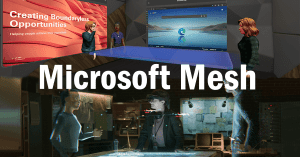
Microsoft Mesh: Is The Metaverse Taking Over?

Technology is forever growing. And with the world being turned on its head for the last couple of years, technology has had even more chance to expand. New ideas popping up to help get us accustomed to this new lifestyle we've been pushed into. With an idea coming to life, a new world being created - the Metaverse. Holograms and virtual realities were an exciting, futuristic ideas that seemed to be a reality in years like 2064. But virtual reality is much closer than you think with Metaverse being introduced last year. Now Microsoft has jumped on the bandwagon with Microsoft Mesh. A place where you can hold business meetings from the comfort of your home but actually be fully immersed in the world you have created. You can bring your projects to life with having a design being in front of you, in the form of a hologram. With the future of technology already upon us, what is Microsoft Mesh and what can it do for you? What is Microsoft Mesh? Microsoft Mesh is a new application created by Microsoft, bringing holograms and virtual reality into to your home. Mesh can connect friends, family and colleagues no matter where they are in the world. This can be through their holoportation or their virtual reality world where you can walk around as your avatar. There are so many possibilities with Mesh - a whole new world for businesses to hold meetings. Within this virtual world you can create yourself into an avatar and join a meeting from you home office. Although you wont just be slumped over a desk using your keypads to move your avatar around. You will be fully immersed into the world, being able to move around and present your work during a meeting, using the VR headsets. You can stand at the head of the meeting table and draw up your plan on the whiteboard. The VR headset tracking you hand movements to present exactly what you are doing.  Holoportation The new era of working remotely is here to stay. Whether you're 10 miles or 100 miles away from your workplace, holoportation can bring everyone in your business together. The holoportation feature is similar to the hologram feature. In that it can project a realistic, holographic image of your colleague into your home office. Letting you work on a project together or just hold a meeting. The headset will take a photo like capture of yourself and project it to the person you are meeting with - as a hologram. Letting you and your meeting participant interact as you normally would if you were both there in human form. Yes over a normal Teams call you would still be able to interact with each other, but Mesh brings those interactions back to a normal human level, the way that we have missed so much. Brining back eye contact, hand movements and facial expressions and actually feeling like you are in the same room as your colleague. Bringing work from home situations to a whole new level. If you don't want to show your face, just like people don't want to turn their camera on during a Teams call, then you don't have to. Easily project your customised avatar to your colleague instead. Again, the headset tracking your hand movements to bring those non-verbal gestures back into the meeting.  Immersive Spaces If your are wanting to completely separate your work life from your home life, then Mesh's immersive spaces can achieve this for you. Separating your work from home life used to be such a simple task for some people but with home offices becoming peoples main place of work, that separation is becoming smaller and smaller. So instead of having a sperate office space for work, you can have a whole separate world for work. https://youtu.be/Jd2GK0qDtRg The immersive space uses 3D animation to create a meeting room for you and your colleagues. This almost having the resemblance to a high resolution game. All you have to do is join your Teams meeting and pop on the VR headset. Transporting you into the virtual world where your team is waiting for you around the virtual meeting room table. But don't just believe that you are limited to only sitting around the table, that's not what Microsoft wanted. Microsoft has thought about the normal task and activities that would happen during a meeting. And transferred them as easy as possible in to the immersive space. Allowing your avatar to get up from the table and start presenting in front of your team. Creating and presenting on the whiteboard at hand. With the VR headset and accessories this is all possible, the VR equipment following your head and hand movements to create a perfect representation of you to your colleagues, in your avatar form. How To Use Mesh? To be able to use the futuristic capabilities of Microsoft Mesh - you will have to use a VR headset. These headsets act as glasses that instead will show you either your hologram or the virtual reality office space. Making you feel as though you are actually in the Mesh Metaverse. These headsets have trackers that follow you eye and head movements, so wherever you turn your head the headset will show the right display of the room. Mesh supports the most popular VR headsets - Oculus and Hololens. These sleek designed headsets can transport you into a virtual world and changing you into your avatar. Bring you international colleagues into your home through holoportation or create interactive holograms in your home office. Mesh is essentially an application for you to video conference with colleagues. But Microsoft is extending the video conferencing limits to make Teams meetings more exciting and engaging. Users can use Mesh alongside the Teams application to hold their meetings in the Mesh world, with each colleague turning into their avatar. Tis brings back the meeting experience to those working from home, immersing them back into office
Read More »
Future-proof AV skills
Training and Education

Future-Proof Your Skills with Forward-Looking Training

In the fast-evolving Audio-Visual (AV) industry, the concept of future-proofing skills has never been more critical. To stay competitive and relevant in the AV job market, professionals must embrace the rapid technological advancements and adapt swiftly to the changing landscape.AV professionals who invest in continuous learning and AV certification are better positioned to thrive in this dynamic field. As AV industry trends and AV technology evolution continue at breakneck speed, the need for advanced AV training becomes paramount.Embracing emerging AV technologies and staying updated with AV industry trends are essential for career growth and sustainability. Audio visual training programs offer avenues for AV skills development, ensuring that AV professionals remain future-ready.Future-proofing your skills through forward-looking training is essential in our rapidly evolving world. With technology advancing at an unprecedented pace, staying relevant means continuously learning and adapting. Invest in lifelong learning, focusing on areas such as data science, artificial intelligence, and digital marketing. To meet future AV demands, AV professionals should focus on next-gen AV skills and AV certifications. This strategic approach aligns with AV industry growth and provides the skills required to excel in an ever-evolving field.Immersive technology skills and AV innovations are shaping the AV sector. AV professionals who invest in advanced AV training programs position themselves for success, leveraging cutting-edge AV skills for career development.For those considering AV career prospects, it’s essential to analyze AV market trends and AV tech advancements. This insight helps in making informed choices about AV training for job market readiness.How to Future-Proof Your Tech Career in an AI & Automation World  The Changing Landscape of the AV IndustryThe AV industry, which encompasses audiovisual technology, is experiencing rapid technological advancements that are reshaping the job market and necessitating the adaptation of professionals. In this ever-evolving landscape, future-proof AV skills are essential for career growth and staying competitive.AV Industry Trends and Technology EvolutionThe AV industry has witnessed a dynamic transformation in recent years, driven by emerging AV technologies. These innovations have not only revolutionized the way we experience audio and visual content but have also created new opportunities and challenges for professionals.One key aspect of staying relevant in the AV industry is to keep pace with AV technology evolution. Advanced AV training is paramount to acquiring the necessary skills to work with cutting-edge equipment and systems. Professionals must embrace immersive technology skills, as trends like augmented reality (AR) and virtual reality (VR) continue to gain prominence. The industry updates constantly, and staying informed about these trends is crucial.Reshaping the Job MarketThe job market in the AV industry is undergoing significant changes. The demand for professionals with future AV demands is on the rise. Employers are seeking individuals with next-gen AV skills who can adapt to the evolving AV landscape. This shift in job market trends necessitates AV professionals to enhance their skills continuously.The Importance of AV CertificationAV certification plays a pivotal role in career advancement. It validates an individual’s expertise and commitment to excellence in the field. AV certifications, such as those offered by recognized institutions, provide a solid foundation for future-proofing one’s AV career.AV Education Programs and Career ProspectsTo stay relevant in the AV industry, individuals must engage in AV education programs that offer advanced audiovisual training. These programs equip professionals with the skills needed to succeed in the industry. They cover topics like AV system design, AV tech advancements, and AV market analysis.Furthermore, professionals must consider AV career sustainability tips to ensure long-term success. This includes staying competitive in the AV industry by continuously adapting AV skills to meet emerging AV trends. This adaptability is essential for career sustainability.AV Workforce Readiness and AV Skill DevelopmentAV workforce readiness is crucial for individuals aiming to thrive in the ever-changing AV sector. This readiness involves keeping up with AV industry changes and actively seeking AV skill development courses. As technology-driven AV skills become increasingly important, being prepared for future job demands is imperative.Are AV Certifications Worth It?One common question among AV professionals is whether AV certifications are worth the investment. The answer is a resounding yes. AV certifications not only enhance your knowledge but also demonstrate your commitment to the industry. They make you stand out in a competitive job market and open doors to career prospects.  Future-Proofing Your AV CareerTo future-proof your AV career is to ensure its resilience and relevance in an ever-evolving industry. In a fast-paced world driven by technology, audiovisual professionals must adapt and thrive amid constant change. Future-proofing your AV career is not merely about securing a job; it’s about crafting a sustainable and prosperous journey within the dynamic AV industry. Let’s delve into what this means and why it’s crucial.Future-Proofing for AV ProfessionalsFuture-proofing AV skills entail continuous learning, staying updated with AV industry trends, and honing advanced AV technology skills. It’s about being prepared for the next wave of AV job demands and emerging AV technologies. It’s the commitment to adapting to AV sector changes proactively.The Benefits of Future-Proofing Job Security: AV professionals who invest in AV certification and advanced AV training are better equipped to face market fluctuations. Their enhanced skill sets make them indispensable, ensuring job security even as the industry evolves. Career Sustainability: In a world where technology evolves at breakneck speed, those with future-proof AV skills remain relevant and continue to grow. Career sustainability is about consistently upgrading your skills to match the industry’s pace. Challenges Faced by Those Who Fail to AdaptAV professionals who neglect future-proofing face several challenges: Stagnation: Without ongoing AV skill development and knowledge of emerging AV technologies, your career may plateau, limiting your earning potential. Relevance: Falling out of touch with AV industry changes can lead to irrelevance. Employers seek professionals who can navigate the latest AV innovations. Limited Career Advancement: As the AV industry grows and changes, only those who adapt can tap into new opportunities. Without future-proof AV skills, career advancement may remain elusive. Navigating the Path to Future-ProofingTo ensure future-proofing in your AV career, consider these actionable steps: AV Certifications: Pursue relevant AV certifications to demonstrate your expertise

Read More »
remote file sharing tools
Remote Collaboration

Share and Collaborate Effortlessly with these Secure Remote File Sharing Tools

Remote file sharing has become an integral part of our modern digital landscape, offering convenience, efficiency, and enhanced collaboration opportunities. In this fast-paced world, where remote work and virtual teams are increasingly prevalent, the need for secure and efficient file sharing solutions has never been greater. Businesses, professionals, and individuals alike rely on remote file sharing tools to streamline workflows, access critical documents from anywhere, and foster seamless collaboration among team members.In today’s interconnected world, data security is a top priority. The significance of secure file sharing cannot be overstated, as sensitive information must be protected from unauthorized access, data breaches, and potential cyber threats. Furthermore, efficiency is paramount when it comes to file sharing, as it directly impacts productivity and the seamless flow of information within an organization or among remote teams.By employing secure file sharing solutions, businesses can safeguard their confidential data and ensure compliance with privacy regulations. Encryption and user authentication protocols add layers of protection to files, mitigating the risk of unauthorized access. With secure file sharing, organizations can maintain control over who can view, edit, or share files, providing peace of mind and fostering a culture of data security.Efficiency is another key aspect of remote file sharing. Traditional methods of file sharing, such as email attachments or physical media, often suffer from limitations in terms of file size, version control, and accessibility. In contrast, modern file sharing tools enable users to upload, store, and share files in the cloud, eliminating the need for physical storage devices and enhancing collaboration capabilities. Cloud-based file sharing allows seamless file synchronization across multiple devices, ensuring that the most up-to-date version is readily accessible to all authorized users.7 Free Remote Desktop Software in 2023  Easy Remote File Sharing Made SecureIn today’s fast-paced digital world, remote file sharing has become an essential aspect of efficient collaboration and productivity. The ability to easily and securely share files with colleagues, clients, and partners, regardless of geographical barriers, is a game-changer for businesses and individuals alike. In this section, we will explore the significance of easy-to-use remote file sharing tools, delve into the top platforms known for their user-friendly interfaces, highlight the simplified process of sharing and collaborating on files, and emphasize the importance of security features in remote file sharing tools.Significance of Easy-to-Use Remote File Sharing ToolsIn the realm of file sharing, simplicity is key. Easy-to-use remote file sharing tools provide immense value by streamlining the process of sharing and collaborating on files. By eliminating complex procedures and technical barriers, these tools empower users to quickly and effortlessly share files with others, regardless of their technical proficiency. This ease of use translates into enhanced productivity and seamless collaboration, enabling teams to work together efficiently, regardless of their physical locations.Top Remote File Sharing Platforms with User-Friendly Interfaces CloudShare: CloudShare is another popular platform that excels in providing a user-friendly interface. Its clean layout and intuitive controls make it a breeze to upload, organize, and share files. The platform’s well-structured folder hierarchy ensures easy access and efficient file management. FileSync: FileSync stands out for its user-centric approach to remote file sharing. The platform offers a visually appealing interface with prominently displayed sharing options. Users can effortlessly collaborate and share files, fostering a smooth and efficient workflow. Simplifying the Process of Sharing and Collaborating on FilesEasy remote file sharing tools simplify the process of sharing and collaborating on files, boosting productivity and fostering seamless teamwork. These tools typically offer features such as: Real-Time Collaboration: With remote collaboration capabilities, users can work simultaneously on shared files, making edits, comments, and suggestions in real time. This enhances communication and ensures everyone stays on the same page. Version Control: Remote file sharing tools often include version control functionality, allowing users to track changes, revert to previous versions, and maintain a comprehensive revision history. This ensures transparency and eliminates the risk of accidental data loss or conflicting edits. Notifications and Alerts: Many platforms provide notifications and alerts, keeping users informed about file updates, comments, and collaborative activities. This feature enables timely responses and facilitates efficient collaboration among team members. Importance of Security Features in Remote File Sharing ToolsWhile convenience and ease of use are paramount, ensuring the security of shared files is equally crucial. Remote file sharing tools should prioritize data security, safeguarding sensitive information from unauthorized access and potential breaches. Some key security features to consider include: Encryption: Secure file sharing tools employ robust encryption algorithms to protect files in transit and at rest. Encryption ensures that only authorized individuals can access and decipher the shared files, providing an additional layer of data security. User Authentication: Implementing strong user authentication protocols, such as multi-factor authentication, verifies the identity of individuals accessing shared files. This mitigates the risk of unauthorized access and enhances the overall security of the remote file sharing process. Access Controls: File sharing platforms with advanced security features offer granular access controls, allowing users to define specific permissions for each collaborator. This ensures that only authorized individuals can view, edit, or download files, reducing the chances of accidentaldata exposure or unauthorized actions. Activity Monitoring: Robust remote file sharing tools incorporate activity monitoring features that track and log user actions within the platform. This helps detect any suspicious activities or potential security breaches, allowing timely intervention and mitigation.   Secure Remote File Sharing Tools for BusinessesIn today’s digital age, businesses require efficient and secure remote file sharing tools to enhance collaboration, productivity, and data security. With the rise of remote work and distributed teams, the need for reliable file sharing and collaboration platforms has become paramount. This section explores the specific requirements of businesses when it comes to remote file sharing, highlights the key features of secure file sharing tools designed for business use, and explains how these tools facilitate seamless collaboration within teams and across departments.Requirements of Businesses for Remote File SharingWhen it comes to remote file sharing, businesses have specific requirements that prioritize security, collaboration, and efficient workflow management. These requirements include: Secure File Sharing: Businesses need

Read More »
MeetingStore.co.uk
Logo
Compare items
  • Total (0)
Compare
0
Shopping cart