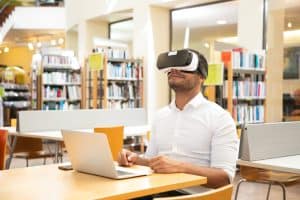
In the context of the modern workplace, the efficient and seamless conduct of meetings holds significant importance for businesses striving to stay productive and collaborative. With the growing emphasis on remote work and virtual interactions, the role of AV (Audio-Visual) technology has become paramount in improving meeting productivity and facilitating successful collaboration among teams. In this blog post, we will explore the significance of AV technology in maximizing meeting productivity and collaboration while addressing the relevance of virtual meetings, video conferencing, and various communication solutions in today’s business landscape.
In the fast-paced corporate environment, time is of the essence. Traditional meetings often consumed substantial time and resources, causing disruptions in daily workflows. However, with the integration of AV technology, businesses have experienced a transformative change in how meetings are conducted. AV equipment plays a pivotal role in enhancing meeting productivity by enabling efficient communication and streamlined collaboration. Whether it’s web conferencing, smart presentations, or interactive displays, AV technology ensures seamless information exchange and real-time decision-making, leading to productive outcomes.
Virtual meetings have emerged as a game-changer for businesses operating in dispersed locations. Leveraging AV technology for virtual meetings facilitates face-to-face interactions without geographical barriers, promoting remote work and allowing teams to connect effortlessly. Video conferencing, a core component of AV technology, enables participants to observe visual cues and expressions, creating a more engaging and productive meeting environment. As remote work continues to be prevalent, the adoption of virtual meetings and video conferencing has become essential for organizations aiming to stay competitive in the modern landscape.
Collaboration tools powered by AV technology have revolutionised teamwork and idea-sharing. The integration of productivity software, teleconferencing capabilities, and cloud-based meetings empower teams to collaborate on projects in real time, irrespective of their physical locations. Additionally, communication solutions offered by AV technology enable seamless and effective information dissemination, fostering a culture of clear and transparent communication within the organization. Embracing these solutions leads to improved collaboration, increased creativity, and enhanced overall productivity.
AV technology goes beyond just facilitating meetings; it also streamlines meeting management processes. With conference room solutions and technology integration, scheduling and organizing meetings become effortless tasks. AV tools for effective meetings assist in setting agendas, recording minutes, and managing follow-ups, enhancing overall meeting efficiency. Businesses can make the most out of AV equipment to optimize their meeting processes and make informed decisions promptly.
Audio Visual Technology for the Modern Office | RJ Young
Understanding AV Technology and Its Benefits for Meetings
In today’s fast-paced world, AV (Audio-Visual) technology has revolutionized the way meetings are conducted. This advanced technology encompasses various components, such as audio-visual equipment, collaboration tools, and video conferencing solutions, which have proven to maximize meeting productivity. In this section, we will explore the evolution of AV technology, its impact on meetings, and the numerous benefits it offers for enhancing communication, engagement, and time efficiency.
Evolution of AV Technology and Its Impact on Meetings
AV Technology: A Journey through Time
The inception of AV technology traces back to the early 20th century, when it primarily involved rudimentary audio systems and film projectors. Over the years, advancements in technology have led to the integration of audio and visual components, giving birth to the modern AV equipment we use today. From traditional overhead projectors to cutting-edge interactive displays, AV technology has come a long way in streamlining meetings and presentations.
Revolutionising Meetings with AV Technology
The introduction of AV technology has transformed the way meetings are conducted, especially in corporate and remote work settings. Virtual meetings and video conferencing have become the norm, allowing teams to collaborate seamlessly regardless of geographical barriers. The integration of communication solutions and collaboration tools has enhanced team connectivity, enabling real-time interactions and instant decision-making.
Benefits of Using AV Technology for Meetings
Enhanced Communication and Collaboration
AV technology facilitates face-to-face interactions through virtual meetings and video conferencing. This fosters a stronger sense of connection among team members, promoting open communication and idea sharing. Additionally, collaboration tools, like screen sharing and interactive displays, enable real-time editing and feedback, promoting effective teamwork and problem-solving.
Improved Engagement and Participation
Meetings powered by AV technology tend to be more engaging, as visual aids and multimedia presentations capture participants’ attention. The use of smart presentations and conference room solutions creates an immersive meeting environment, keeping attendees focused and interested. This heightened engagement leads to increased participation, resulting in more productive discussions and outcomes.
Time-Saving Features for Efficient Meetings
AV technology streamlines meeting processes, optimizing time management. With features like video communication and web conferencing, teams can connect quickly without the need for travel. Additionally, productivity software and cloud-based meetings enable efficient planning, scheduling, and documentation of meetings. By maximizing productivity with AV equipment, companies can save valuable time and allocate it to other critical tasks.
Maximising Productivity with AV Equipment
AV Technology Benefits for Meetings
The benefits of AV technology for meetings are far-reaching. It empowers businesses to overcome geographical constraints, facilitating seamless collaboration between remote teams. Furthermore, the integration of AV tools and solutions improves meeting efficiency, resulting in quicker decision-making and task execution.
Improving Meeting Productivity with AV Solutions
AV solutions offer a wide array of features that directly contribute to meeting productivity. From teleconferencing and web-based meetings to smart presentations and screen sharing, these technologies simplify communication and foster more effective discussions.
Boosting Meeting Efficiency through Technology
Integrating AV technology into meetings reduces the time spent on administrative tasks and enhances overall efficiency. By leveraging conference technology and digital communication, companies can conduct meetings with greater ease and effectiveness.
Improving Meeting Productivity with AV Solutions
In today’s fast-paced business landscape, maximizing productivity with AV equipment has become essential for organizations. AV technology has revolutionized the way meetings are conducted, making them more efficient, collaborative, and seamless. This section explores specific AV solutions designed to improve meeting productivity, streamline various meeting processes and enhance overall efficiency.
AV Technology: Empowering Seamless Virtual Meetings
AV technology plays a pivotal role in enabling virtual meetings, ensuring that remote teams can collaborate effectively regardless of their physical location. Video conferencing, one of the key AV solutions, allows teams to connect face-to-face, promoting better engagement and understanding. This technology integration makes it easier to set up virtual meetings and manage participants, ensuring smoother communication and fostering a more inclusive environment.
Enhancing Collaboration with Interactive Displays
Interactive displays have emerged as a game-changer in meeting facilitation. These smart presentations enable real-time annotations, brainstorming sessions, and interactive discussions. Teams can collaborate on shared content, fostering creativity and problem-solving. By utilizing AV technology with interactive displays, meeting productivity has witnessed a significant boost.
Streamlining Content Sharing with Screen Sharing
Screen sharing is an integral part of AV solutions that simplifies content sharing during meetings. Whether it’s a presentation, data insights, or reports, screen sharing ensures that all participants are on the same page. This feature expedites decision-making processes and keeps the meeting focused on the agenda.
Case Study: AV Technology Benefits for Meetings
A mid-sized company introduced cloud-based meetings and video communication solutions in their daily operations. This switch allowed employees to join meetings from any device, fostering remote work while maintaining effective communication. The result was a 30% increase in meeting efficiency and a 20% reduction in meeting-related expenses.
Enhanced Meeting Management with Productivity Software
Productivity software integrated with AV technology streamlines meeting management. Teams can schedule, track, and follow up on action items more efficiently. This integration also enables automated meeting reminders and simplifies resource allocation for conference room solutions.
Boosting Meeting Efficiency through Technology
In today’s fast-paced business environment, meetings play a crucial role in decision-making, collaboration, and overall productivity. However, traditional meetings often come with challenges that can hinder efficiency. Fortunately, AV (Audio-Visual) technology provides innovative solutions to address these challenges and significantly enhance meeting productivity. This section explores how AV technology transforms the meeting landscape, promoting real-time collaboration, better time management, and seamless communication.
AV Technology: Redefining Meeting Productivity
Real-Time Collaboration for Seamless Communication
AV technology revolutionizes the way teams communicate during meetings. With advanced video conferencing and collaboration tools, virtual meetings become as effective as in-person interactions. Participants can connect from anywhere globally, breaking down geographical barriers. Additionally, features like screen sharing and interactive displays enable real-time discussions and problem-solving, encouraging active participation.
Instant File-Sharing for Enhanced Efficiency
In traditional meetings, sharing physical documents and materials can be time-consuming. AV technology streamlines this process by allowing instant file-sharing through cloud-based meetings. Attendees can access and edit documents simultaneously, boosting workflow efficiency and ensuring everyone stays on the same page.
Interactive Whiteboards: Enhancing Idea Generation
AV-equipped meeting rooms often feature interactive whiteboards, offering a dynamic platform for brainstorming sessions. Participants can visually present ideas, concepts, and solutions, fostering creativity and driving innovation. These digital whiteboards provide a more engaging and collaborative environment, leading to better outcomes.
AV Technology Feature
Impact on Meeting Efficiency
Real-Time Collaboration
Enables seamless communication and global connectivity.
Instant File-Sharing
Facilitates quick sharing and editing of materials.
Interactive Whiteboards
Promotes idea generation and creative thinking.
Better Time Management and Reduced Delays
One of the significant challenges during meetings is time management. AV technology addresses this by providing tools for efficient meeting facilitation. Features like screen sharing and video communication ensure that presentations are delivered seamlessly. This reduces unnecessary delays, allowing meetings to stay on schedule.
Optimizing Virtual Meetings with AV Tech
As remote work becomes more prevalent, virtual meetings play a crucial role in maintaining productivity. AV technology enables teams to collaborate effectively regardless of their physical locations. Businesses can leverage teleconferencing and web conferencing solutions to bridge communication gaps and ensure all team members stay connected.
AV Technology Benefits for Meetings
The benefits of AV technology for meetings are numerous. It offers:
Enhanced engagement through smart presentations and interactive displays.
Simplified meeting management with easy-to-use productivity software.
Streamlined communication solutions for effective collaboration.
Improved conference technology integration for seamless interactions.
AV Tools for Effective Meetings
AV technology and its effect on meeting productivity have become increasingly important in today’s remote work and virtual meeting landscape. To ensure seamless communication and collaboration, businesses need access to a range of audio-visual tools that enhance meeting efficiency and effectiveness. This section presents a comprehensive list of essential AV tools, categorized based on their functionalities, to significantly improve meeting productivity in various scenarios.
Video Conferencing Platforms
Video conferencing platforms have revolutionized the way teams interact, enabling face-to-face communication regardless of geographical location. These tools facilitate real-time collaboration, enhancing meeting productivity, and reducing the need for physical presence.
Zoom: A popular choice for virtual meetings, Zoom offers high-quality video and audio communication, screen sharing, and interactive features. It’s ideal for team meetings, webinars, and client presentations.
Microsoft Teams: Integrated with Office 365, Microsoft Teams provides seamless video conferencing, chat, file sharing, and document collaboration. It’s an excellent option for organizations already using the Microsoft ecosystem.
Virtual Collaboration Software
Collaboration tools play a crucial role in fostering teamwork and streamlining workflows. They allow participants to work together on shared documents, boosting meeting efficiency.
Google Workspace (formerly G Suite): With Google Docs, Sheets, and Slides, teams can collaborate in real time, making it easy to brainstorm ideas and share information during meetings.
Trello: This visual project management tool helps teams organize tasks, set deadlines, and track progress. It can be utilized during meetings to assign action items and monitor project updates.
Productivity-Enhancing Applications
Productivity software empowers teams to streamline various processes, ensuring a more efficient use of meeting time.
Evernote: This note-taking app enables participants to jot down ideas, create to-do lists, and share notes with others, promoting seamless information exchange.
Slack: As a powerful communication tool, Slack allows real-time messaging, file sharing, and integration with other productivity apps, making it useful for quick discussions during meetings.
AV Technology Benefits for Meetings
AV technology offers numerous advantages, enhancing meeting productivity in multiple ways. By embracing these tools, businesses can:
Improve Meeting Efficiency: AV solutions enable quick communication, reducing delays caused by travel time and allowing participants to join from anywhere.
Optimize Virtual Meetings: With AV tech, virtual meetings can be as productive as in-person gatherings, fostering collaboration among remote teams.
Boosting Meeting Efficiency through Technology
Incorporating AV technology during meetings can lead to significant improvements in efficiency. Leveraging tools like teleconferencing, screen sharing, and interactive displays enables:
Seamless Communication: Participants can engage in real-time discussions, share ideas, and resolve queries promptly.
Effective Meeting Facilitation: AV tools streamline meeting organization and ensure that the agenda is followed smoothly.
Integration of Technology: Integrating AV technology with conference room solutions allows for smooth presentations and effective use of visual aids.
In the context of remote work, virtual meetings have seen a significant rise, creating the need for reliable AV technology to facilitate seamless communication and collaboration among geographically dispersed teams. This section explores how AV tech is revolutionizing virtual meetings, addresses common challenges related to online meetings, and highlights how AV solutions contribute to overcoming them.
The Rise of Virtual Meetings and the Need for Reliable AV Technology
Virtual meetings have become an indispensable part of remote work setups. As more companies embrace flexible work arrangements, the demand for efficient communication solutions is on the rise. AV technology plays a vital role in enabling organizations to conduct virtual meetings with ease, ensuring effective team collaboration, and improving meeting productivity.
Facilitating Seamless Virtual Meetings with AV Tech
AV technology offers a plethora of tools and features that enhance the overall virtual meeting experience. Video conferencing, one of the key aspects of AV tech, allows participants to interact face-to-face, breaking down geographical barriers. Collaborative tools such as screen sharing and interactive displays facilitate real-time information exchange, making discussions more engaging and productive.
Addressing Common Challenges with AV Solutions
Technical Glitches: Virtual meetings can be marred by technical issues like poor audio quality or video lag. However, AV equipment for virtual meetings is designed to minimize such problems, ensuring a smooth and uninterrupted meeting experience.
Engagement: Keeping participants engaged in virtual meetings can be challenging. But with the integration of smart presentations and interactive features, AV technology helps maintain participant interest and active involvement.
Collaboration: Effective collaboration is essential for meeting productivity. AV tech fosters seamless collaboration, enabling team members to share ideas, exchange feedback, and work together on projects in real-time.
Security Concerns: Confidential business discussions require secure communication. AV solutions often come equipped with encryption and other security measures to safeguard sensitive information during online meetings.
AV Technology and Meeting Productivity
AV technology and its effect on meeting productivity cannot be overstated. By streamlining communication, reducing technical hiccups, and encouraging collaboration, AV tools play a pivotal role in maximizing productivity with AV equipment. Businesses can efficiently conduct meetings, make decisions faster, and enhance overall team productivity.
AV Solution
Features
Benefits
Video Conferencing
Face-to-face interaction
Real-time communication
Screen Sharing
Real-time information exchange
Enhanced collaboration
Interactive Displays
Engaging presentations
Improved participant involvement
Smart Presentations
Dynamic and interactive content
Better retention of information
Encryption
Secure communication
Protects sensitive data
The Future of AV Technology and Meeting Productivity
In the ever-evolving landscape of the modern workplace, AV technology continues to play a pivotal role in revolutionizing meeting productivity. As businesses adapt to changing work dynamics and communication needs, AV technology is set to undergo significant advancements and trends that will further impact meeting productivity.
Advancements and Trends in AV Technology for Meeting Productivity
Virtual Meetings and Video Conferencing
Virtual meetings and video conferencing have become the backbone of modern business communication solutions. With the integration of AI-driven NLP (Natural Language Processing) and LSI (Latent Semantic Indexing) algorithms, AV technology can now facilitate smoother and more efficient virtual meetings. These tools enhance real-time communication and collaboration among remote teams, resulting in improved meeting productivity and faster decision-making processes.
Collaboration Tools and Productivity Software
Collaboration tools, combined with AV technology, offer innovative ways to enhance meeting efficiency. These tools enable participants to share ideas, files, and interactive displays, fostering a more engaging meeting environment. The integration of productivity software into AV systems ensures seamless meeting management, boosting overall productivity for businesses.
Remote Work and Technology Integration
As remote work continues to gain popularity, AV technology must adapt to cater to the needs of distributed teams. Businesses are increasingly embracing cloud-based meetings and teleconferencing solutions to maintain efficient communication. The future of AV technology lies in seamless integration with various platforms and devices, allowing employees to connect effortlessly from anywhere, anytime.
AV Technology’s Role in Shaping the Future of Work
AV technology’s impact on meeting productivity extends beyond mere convenience. It plays a crucial role in shaping the future of work in the following ways:
Improved Meeting Efficiency
The integration of AV tools in meetings allows for faster decision-making and problem-solving. Participants can engage in real-time discussions, share ideas, and access necessary information with ease, leading to more efficient and productive meetings.
Optimizing Virtual Meetings with AV Tech
AV technology benefits for meetings are evident in the optimization of virtual meetings. By leveraging smart presentations, screen sharing, and interactive displays, participants can stay engaged and focused, even in a virtual setting. This leads to more productive discussions and outcomes.
AV Solutions for Better Meetings
AV technology provides solutions that address common meeting challenges, such as communication gaps and lack of engagement. With features like video communication and meeting facilitation tools, businesses can foster a collaborative environment and enhance meeting productivity.
The Impact of AV Technology on Meeting Productivity
The impact of AV technology on meeting productivity is profound. Through efficient communication, seamless collaboration, and easy access to information, AV technology enables businesses to conduct meetings that deliver value immediately. By optimizing meeting efficiency, AV equipment empowers organizations to make the most of their time and resources.
Conclusion
In today’s fast-paced and technologically advanced world, businesses are embracing new ways of conducting meetings to enhance productivity and streamline collaboration. The advent of AV technology has revolutionized the way meetings are conducted, making them more efficient, seamless, and interactive.
AV technology has become an indispensable part of modern meetings, transforming the way teams interact and work together. The integration of audio-visual equipment in conference rooms allows for smoother communication and presentations. With web conferencing and video communication tools, virtual meetings have become the norm, enabling teams to collaborate effectively, regardless of their geographical locations. The use of smart presentations, interactive displays, and screen sharing further enhances engagement and information sharing during meetings.
Virtual meetings powered by AV technology have proved to be a game-changer for remote work and geographically dispersed teams. Through video conferencing and productivity software, teams can hold real-time discussions, share ideas, and make important decisions, all without the need for physical presence. This not only saves time and resources but also fosters better collaboration and communication among team members.
The seamless integration of AV technology in meetings ensures a more structured and organized approach. Meeting facilitation becomes smoother with access to cloud-based meetings and conference room solutions. Teams can efficiently manage agendas, share files, and schedule follow-up actions, all within the same platform. This optimization of virtual meetings with AV tech significantly improves meeting efficiency and reduces wasted time.
The advantages of AV technology in meetings are numerous. It empowers businesses to save costs on travel and accommodation, making remote collaboration more feasible. Additionally, AV solutions allow for real-time visualization of data and presentations, leading to better understanding and decision-making. The use of audio-visual equipment also makes meetings more engaging and memorable, leaving a lasting impact on participants.
Studies have shown that incorporating AV technology in meetings can increase engagement levels and information retention among participants. This leads to more productive discussions and effective problem-solving. With the availability of productivity software, note-taking and action item tracking become easier, further enhancing meeting efficiency.
As technology continues to advance, AV solutions for meetings are continuously evolving. Some emerging trends include AI-powered virtual assistants for meeting management, enhanced video conferencing features, and augmented reality integration for interactive presentations. Staying up-to-date with these trends allows businesses to stay ahead of the curve and harness the full potential of AV technology for productivity gains.
To optimize meeting productivity, businesses can explore a range of AV tools and solutions tailored to their specific needs. Investing in high-quality audio-visual equipment ensures clear communication and eliminates technical glitches. Integrating collaboration tools and productivity software enhances team coordination and task management. Embracing AV technology also involves training employees to effectively use these tools to maximize their impact on meetings.
FAQs
How does AV technology enhance meeting productivity?
AV technology enhances meeting productivity by facilitating better communication and collaboration among participants. With audio-visual elements like video conferencing, screen sharing, and interactive presentations, ideas can be conveyed more effectively, reducing misunderstandings. Visual aids help keep attendees engaged and focused on the topic, leading to more productive discussions. AV tools also enable remote participants to join meetings seamlessly, increasing inclusivity and saving time and resources for in-person gatherings. By incorporating AV solutions, meetings become more dynamic, interactive, and efficient, fostering a conducive environment for idea sharing and decision-making.
What are the best AV tools for virtual meetings?
Some of the best AV tools for virtual meetings include Zoom, Microsoft Teams, Google Meet, and Cisco Webex. These platforms offer features such as high-quality video conferencing, screen sharing, chat functionality, and file sharing. They support large numbers of participants and provide options for breakout rooms, making them ideal for various meeting types, from team huddles to webinars. Additionally, they often integrate with productivity tools like calendars and project management software, streamlining meeting scheduling and organization.
Can AV solutions improve remote team collaboration?
Yes, AV solutions can significantly improve remote team collaboration. By enabling real-time video conferencing, screen sharing, and file sharing, AV tools bridge the geographical gap between team members, fostering a sense of connection and teamwork. Visual cues during video calls improve communication and help participants understand each other better. Collaborative features like virtual whiteboards and simultaneous document editing enhance brainstorming and ideation. Moreover, AV solutions facilitate regular meetings, strengthening relationships among team members, increasing accountability, and enhancing overall productivity in remote work environments.
What role does video conferencing play in meeting efficiency?
Video conferencing plays a vital role in meeting efficiency by providing face-to-face communication, even when participants are geographically dispersed. It allows for non-verbal cues and expressions, promoting better understanding and reducing miscommunication. Real-time interactions lead to faster decision-making and problem-solving. Video conferencing also eliminates the need for travel, saving time and expenses, and making meetings more accessible to all participants. Additionally, features like screen sharing and virtual backgrounds enhance engagement and keep attendees focused on the meeting agenda, ultimately improving overall meeting efficiency.
How to integrate AV technology into conference rooms effectively?
To integrate AV technology into conference rooms effectively, start by assessing the specific needs and requirements of the room and its users. Invest in high-quality audio and video equipment to ensure clear communication. Choose a user-friendly AV system with intuitive controls and compatibility with various devices. Implement wireless screen sharing and video conferencing capabilities to enhance collaboration. Provide training and support to users to ensure they can utilize the technology effectively. Regularly maintain and update the AV equipment to avoid technical issues. Ultimately, the goal is to create a seamless and efficient meeting experience that enables smooth communication and collaboration.
What are the benefits of using smart presentations in meetings?
Using smart presentations in meetings offers several benefits. These presentations are interactive, allowing presenters to engage the audience through polls, quizzes, and clickable elements. This interactivity keeps participants attentive and involved in the discussion. Smart presentations often integrate multimedia elements like videos and animations, making the content more engaging and memorable. Analytics from smart presentations provide valuable insights into audience engagement and understanding. Furthermore, cloud-based access to smart presentations allows for easy sharing and collaboration before, during, and after the meeting. Overall, smart presentations enhance the effectiveness of communication, leading to better retention of information and more meaningful discussions.
Which communication solutions are ideal for business meetings?
Ideal communication solutions for business meetings include platforms like Microsoft Teams, Zoom, and Cisco Webex. These tools offer video conferencing, instant messaging, file sharing, and collaboration features that cater to various business needs. They support both one-on-one and group meetings, making them versatile for different meeting sizes and formats. Integrations with productivity tools like calendars and project management software further streamline meeting scheduling and organization. Strong security measures ensure the confidentiality of business discussions and data. These platforms are user-friendly and accessible across different devices and operating systems, making them highly suitable for businesses of all sizes and industries.
How can audio-visual equipment optimize online meetings?
Audio-visual equipment can optimize online meetings by providing high-quality audio and video, reducing technical disruptions, and enhancing overall meeting engagement. Quality microphones and speakers ensure clear communication, preventing misunderstandings and improving participant interaction. HD cameras enable better visibility of facial expressions and body language during video conferencing. Stable internet connections and bandwidth management help avoid lags and dropped calls. Screen sharing and virtual whiteboards facilitate real-time collaboration, allowing participants to share ideas and information seamlessly. Additionally, integrating AI-driven features, such as automated transcription and real-time translation, can further enhance meeting efficiency and inclusivity.
What are the latest trends in conference technology?
As of my last update in September 2021, some of the latest trends in conference technology included the rise of hybrid events, incorporating both in-person and virtual attendees. AI-powered features, such as virtual assistants for event management and real-time translation services, were gaining traction. Immersive technologies like augmented reality (AR) and virtual reality (VR) were also being explored to create engaging and interactive conference experiences. Interactive event platforms, gamification elements, and networking tools aimed to enhance participant engagement and networking opportunities. However, as technology evolves rapidly, newer trends may have emerged since then, and it’s essential to research the latest developments in conference technology.
How does screen sharing enhance meeting facilitation?
Screen sharing enhances meeting facilitation by allowing presenters to share their content, applications, or documents directly with participants in real-time. This visual aid keeps attendees focused on the topic and ensures everyone is on the same page. It enables seamless collaboration, as team members can view and edit documents together, making decision-making more efficient. Screen sharing is particularly valuable during remote meetings, as it allows for virtual demonstrations and training sessions. Additionally, it fosters interactive discussions, as presenters can engage participants by highlighting specific points or answering questions directly on the shared screen.
Are cloud-based meetings reliable for business communication?
Yes, cloud-based meetings are generally reliable for business communication. These meetings offer several advantages, including easy accessibility from anywhere with an internet connection, making them suitable for remote and distributed teams. Cloud-based platforms typically have robust infrastructure and security measures in place to ensure stable and secure communication. They can accommodate varying meeting sizes and have options for recording and archiving sessions for future reference. However, reliability may depend on factors like internet connectivity and the chosen platform’s server stability. It’s essential to choose reputable cloud-based communication providers to ensure a dependable and smooth meeting experience for business communication needs.
What role does video communication play in remote work?
Video communication plays a crucial role in remote work by bridging the gap between team members in different locations. It provides a sense of face-to-face interaction, building stronger relationships among remote employees. Video calls enable more personal communication, fostering better team collaboration and camaraderie. Non-verbal cues become visible during video communication, reducing misunderstandings and improving overall understanding. Video conferencing is essential for team meetings, virtual presentations, and interviews. It ensures remote workers stay connected, engaged, and aligned with the organization’s goals. Ultimately, video communication facilitates seamless remote work and helps maintain a cohesive and productive team despite physical distances.
How to manage meetings efficiently with AV technology?
To manage meetings efficiently with AV technology, start by setting clear meeting objectives and agendas. Choose the appropriate AV tools that match the meeting’s requirements. Send out invitations and necessary materials in advance to ensure participants are prepared. Conduct tests and checks on AV equipment before the meeting to avoid technical disruptions. During the meeting, actively use visual aids, such as slides or screen sharing, to keep participants engaged. Encourage active participation and use collaboration features like chat and virtual whiteboards for brainstorming. Summarize key points and action items at the end of the meeting. Afterward, share meeting minutes and recordings promptly. Continuous feedback and evaluation of meeting effectiveness will help optimize future meetings with AV technology.
What are the key features of effective web conferencing tools?
Effective web conferencing tools typically have features like high-definition video and audio capabilities for clear communication. They offer screen sharing options and interactive whiteboards to facilitate collaboration and presentations. Chat functionality allows real-time messaging and file sharing among participants. Virtual breakout rooms enable smaller group discussions during larger meetings. Recording and transcription features are valuable for reviewing meeting content later. Reliable security measures protect sensitive discussions and data. Integration with other productivity tools, such as calendars and project management platforms, streamlines meeting scheduling and organization. User-friendly interfaces and cross-platform compatibility ensure easy accessibility for all participants.
How can AV technology streamline meeting management?
AV technology can streamline meeting management by automating various tasks and improving communication efficiency. Calendar integration allows seamless scheduling of meetings and sending out invitations to participants. Meeting reminders and notifications help ensure attendees are punctual and prepared. AV tools facilitate real-time updates to meeting agendas and documents, keeping everyone on the same page. Interactive features like polls and Q&A sessions encourage active engagement. Recording and archiving options allow attendees to review meeting content later. Post-meeting surveys and feedback mechanisms gather valuable input for continuous improvement. By reducing administrative burden and optimizing meeting processes, AV technology streamlines meeting management and enhances overall productivity.
Dynamic learning modules are a contemporary approach to education that focuses on providing personalized, interactive, and immersive educational experiences. These modules are designed to adapt to the unique needs and learning styles of each student, creating a tailor-made educational journey. One of the key elements of dynamic learning modules is their utilization of AV (audio visual) training techniques to enhance engagement and comprehension.In the digital age, traditional one-size-fits-all educational approaches are becoming obsolete. Dynamic learning modules address this issue by incorporating AV technology, interactive education, and multimedia curriculum. They empower learners to engage with content in a way that suits their preferences, fostering a deeper understanding and retention of information.Dynamic learning modules seamlessly integrate interactive AV education tools, enhancing the overall learning experience. This innovative approach caters to various learning styles, making education more accessible and effective.Dynamic learning modules offer adaptive modules that adapt to individual progress. This personalized learning approach ensures that students receive the most relevant content, maximizing their learning potential.The incorporation of real-time feedback in education through dynamic modules promotes active participation and engagement. Learners can instantly gauge their progress and make necessary adjustments, creating a more immersive learning environment.Creating Dynamic Learning Modules Part 2 Layout and Design Benefits of Dynamic Learning ModulesDynamic learning modules are transforming the landscape of education, offering innovative ways to engage beginners effectively. In this comprehensive exploration, we delve into the numerous advantages of dynamic learning modules, highlighting their role in enhancing engagement and learning outcomes. Enhancing Engagement and Learning OutcomesDynamic learning modules, often featuring interactive education elements, provide a more engaging learning experience compared to traditional methods. This engagement stems from the integration of AV technology and multimedia curriculum, which cater to various learning styles. By offering a dynamic curriculum, beginners are more likely to stay motivated and actively participate in their education.Personalized Modules for Tailored LearningOne of the key benefits of dynamic learning modules is personalization. These modules can adapt to the individual needs and progress of each learner, aligning with the principles of adaptive learning. Learners can explore multimedia modules tailored to their skill level, allowing for a more immersive AV experience. This personalized approach not only boosts engagement but also enhances comprehension and retention of information.Real-Time Feedback for Continuous ImprovementDynamic learning modules facilitate real-time feedback, a crucial component of effective learning. Learners receive immediate insights into their performance, allowing them to identify areas for improvement and make necessary adjustments. This real-time feedback loop encourages experiential learning, as beginners can actively engage with the material and monitor their progress throughout the process.Multimedia Pedagogy and Interactive Study MaterialsThe incorporation of multimedia pedagogy and interactive study materials in dynamic learning modules elevates the learning experience. These modules leverage AV resources to provide interactive lessons, making complex concepts more accessible. Such immersive education not only caters to various learning preferences but also promotes deeper understanding.Online Course Engagement and AccessibilityDynamic learning modules are integral to online courses, fostering online course engagement. Learners can access these modules from anywhere, promoting virtual education’s accessibility. Beginners benefit from the flexibility offered by dynamic educational content, enabling them to learn at their own pace and on their own terms.Innovative Multimedia Learning SolutionsThe utilization of AV technology and multimedia resources in dynamic learning modules exemplifies innovative multimedia learning solutions. This approach encourages creative thinking and problem-solving skills, preparing beginners for real-world challenges. By immersing learners in engaging content, dynamic learning modules stand as a testament to the power of interactive AV education. Creating Dynamic Learning ModulesIn the ever-evolving landscape of education, the integration of interactive education tools and AV technology has become instrumental in enhancing the learning experience. These tools offer dynamic learning modules that cater to various educational settings. In this comprehensive comparison, we will evaluate the features, usability, and suitability of different interactive AV education tools, helping you make informed decisions for your educational needs.Interactive AV Education Tools Overview: Interactive AV education tools are designed to engage students in a multimedia curriculum that promotes personalized learning. These tools provide immersive AV experiences, real-time feedback, and e-learning resources, making them indispensable for educators in today’s digital age.Comparing Dynamic Learning Modules Adaptive Learning Platforms: Many interactive AV education tools incorporate adaptive modules, which adjust the content based on a student’s progress and learning pace. This dynamic curriculum ensures that learners receive tailored content, optimizing their educational journey. Online Course Engagement: When it comes to online courses, engaging content is paramount. Interactive AV tools offer multimedia modules and interactive tutorials, creating an immersive learning environment that keeps students motivated and committed to their studies. Personalized Learning Modules: The ability to customize content is a hallmark of these tools. They allow educators to create personalized learning experiences for their students, catering to different learning styles and preferences. Key Features and Usability Real-time Feedback in Education: Interactive AV tools provide immediate feedback, enabling students to track their progress and make necessary adjustments in real-time. This feature enhances the learning process and fosters a sense of accomplishment. Experiential Learning Techniques: These tools support experiential learning by offering interactive study materials and dynamic educational content. Students gain a deeper understanding of subjects through hands-on experiences. Multimedia Pedagogy Techniques: By incorporating multimedia pedagogy, educators can present information in diverse formats, such as videos, animations, and interactive coursework. This variety enhances comprehension and retention. AV Technology in the Classroom: AV technology integration in traditional classrooms benefits teachers and students alike. It promotes engagement, aids comprehension, and facilitates dynamic teaching methods. Interactive AV Education Tools ComparisonDynamic learning modules are at the forefront of modern education, delivering engaging and interactive educational experiences. In this comprehensive guide, we will walk you through the process of creating dynamic learning modules, incorporating multimedia curriculum design, and utilizing innovative techniques for interactive study materials. Get ready to enhance your teaching and learning with these effective strategies.Essence of Dynamic Learning ModulesDynamic learning modules are designed to provide an immersive and personalized learning experience. These modules combine elements of interactive education, AV technology, and adaptive learning to offer students a tailored approach to acquiring knowledge.
The shift towards remote work has revolutionized the way teams collaborate and operate. With the increasing prevalence of remote teams, there is a growing need for effective monitoring and accountability to ensure productivity, efficiency, and overall team performance. In this blog post, we will explore the concept of remote teams, highlight the importance of utilizing advanced monitoring tools, and discuss how they contribute to the success of remote work environments.Remote teams refer to groups of individuals working together towards a common goal while being geographically dispersed. This new paradigm offers flexibility, work-life balance, and access to a global talent pool. However, it also presents unique challenges, such as maintaining accountability and ensuring team cohesion without physical proximity.To overcome the challenges of managing remote teams effectively, organizations must leverage advanced monitoring tools. These tools serve as a crucial component of remote team management software, providing valuable insights into employee activities and facilitating accountability within the team.Remote team monitoring tools enable organizations to track and evaluate individual and team performance, ensuring that everyone is aligned with organizational goals. With real-time data and analytics, managers can identify areas of improvement and provide timely feedback and support to enhance accountability.By using employee monitoring solutions, organizations can identify potential bottlenecks and streamline workflows to optimize team productivity. These tools provide visibility into time spent on tasks, allowing managers to address time wastage and allocate resources more efficiently.Effective remote collaboration is a cornerstone of successful remote teams. Monitoring software fosters online team supervision and virtual team management by providing tools for seamless communication, file sharing, and project tracking. This ensures that team members stay connected, collaborate effectively, and achieve their goals collectively.Top 5 Employee Monitoring Software – Best Employee Monitoring Software Importance of Team Accountability in Remote WorkIn today’s fast-paced and ever-evolving work environment, remote teams have become increasingly prevalent. However, maintaining accountability within these teams poses unique challenges that require careful consideration. In this section, we will explore the challenges faced by remote teams in maintaining accountability, discuss the impact of accountability on team productivity and collaboration, and emphasize the need for reliable monitoring software to foster a culture of accountability in remote work environments.The Challenges of Remote Team Accountability and Progress TrackingRemote teams often encounter several challenges when it comes to maintaining accountability and tracking individual and team progress. Let’s examine some of these challenges: Communication Barriers: Remote collaboration relies heavily on effective communication channels. However, due to geographical and time zone differences, team members may face challenges in staying connected and communicating in real-time. This can lead to delays in information sharing and hinder accountability. Lack of Oversight: Unlike traditional office settings, remote teams lack direct supervision. Without physical presence, managers may find it difficult to monitor employees’ activities and ensure they are staying on track. This lack of oversight can result in reduced accountability and productivity. Distractions and Work-Life Balance: Remote work provides flexibility, but it also brings potential distractions that can impede accountability. Balancing work responsibilities with personal life demands can be challenging, leading to decreased focus and accountability. Limited Visibility: In a remote work environment, it can be challenging to gain visibility into individual and team progress. Without clear visibility, it becomes difficult to assess performance and ensure accountability. The Impact of Accountability on Team Productivity and CollaborationAccountability plays a vital role in enhancing team productivity, collaboration, and overall success. Here’s how accountability positively influences remote teams: Increased Productivity: When team members are accountable for their tasks and deliverables, productivity levels tend to rise. Knowing that their work is being monitored encourages individuals to stay focused, meet deadlines, and maintain high-quality output. Enhanced Collaboration: Accountability fosters a sense of shared responsibility within a remote team. Team members are more likely to collaborate, support one another, and work towards common goals. Effective collaboration leads to better problem-solving, innovation, and overall team success. Improved Time Management: Accountability promotes better time management practices among remote team members. When individuals are accountable for their time, they tend to prioritize tasks, minimize distractions, and make efficient use of their working hours. The Need for Reliable Monitoring Software in Remote Work EnvironmentsTo foster a culture of accountability in remote teams, reliable monitoring software is crucial. Such software enables employers and team leaders to track individual and team progress effectively. Here are some key benefits of utilizing remote team monitoring tools: Efficient Performance Tracking: Monitoring software provides real-time updates on individual and team performance, making it easier to identify areas for improvement. This data-driven approach allows managers to provide timely feedback and support team members in reaching their goals. Enhanced Employee Productivity: By using monitoring software, employers can gain insights into employee behavior, identify productivity bottlenecks, and implement strategies to improve efficiency. With data analytics and performance tracking, employers can provide targeted coaching and training to optimize productivity. Encourages Accountability: Remote team monitoring tools create a transparent and accountable work environment. When employees are aware that their activities are being monitored, they are more likely to adhere to company policies, meet deadlines, and take ownership of their work. Facilitates Communication and Collaboration: Many monitoring software solutions include features that facilitate team communication and collaboration. These tools enable virtual team members to share files, exchange ideas, and collaborate seamlessly, even from different locations. Key Features to Look for in Remote Team Monitoring ToolsIn today’s fast-paced work environment, effective monitoring of remote teams has become crucial for businesses to ensure team accountability, enhance productivity, and foster seamless collaboration. Remote team monitoring tools play a vital role in providing organizations with the necessary insights and functionalities to manage their distributed workforce efficiently. To help you make an informed decision, this section presents a comprehensive list of essential features and functionalities that effective monitoring tools should possess. We will explore how each feature contributes to enhancing team accountability and productivity while addressing specific monitoring needs such as time tracking, activity monitoring, and performance evaluation. Real-Time Activity Monitoring One of the key features to look for in remote team monitoring tools is
In today’s fast-paced and technology-driven world, the importance of specialized AV knowledge cannot be overstated. With rapid advancements in audiovisual technology, staying ahead of the curve is crucial. This article delves into the relevance of acquiring specialized AV skills, shedding light on the myriad benefits and opportunities available in this dynamic field.The world of audiovisual technology has witnessed a remarkable evolution in recent years. From cutting-edge displays to immersive sound systems, the possibilities are endless. To navigate this landscape effectively, individuals must equip themselves with specialized AV knowledge. This knowledge serves as the foundation for professionals to harness the power of advanced techniques and emerging trends.One of the key avenues for acquiring specialized AV knowledge is through AV certification. These certifications are designed to provide in-depth AV knowledge, ensuring that individuals can confidently handle the complexities of modern AV systems. Expert training programs cover a wide range of topics, from the fundamentals of audiovisual expertise to the intricacies of advanced audiovisual skills.Specialized programs are tailored to meet the specific needs of aspiring AV specialists. They offer a structured approach to AV education, ensuring that individuals gain specialized AV knowledge in a systematic manner. These programs often include a specialized curriculum that covers topics such as AV proficiency, advanced AV techniques, and specialized AV courses.Smart Online Classroom Solution – How it Works ? Solution Offered by PeopleLink – Part 2 Becoming an AV ExpertBecoming an AV expert, or an Audiovisual expert, is an exciting and promising career choice in today’s digital age. AV experts are professionals who excel in handling audio and visual equipment, creating seamless multimedia experiences, and troubleshooting technical issues related to audiovisual systems. Prerequisites for Pursuing a Career in AVBefore embarking on the journey to become an AV specialist, it’s essential to lay the groundwork with the right prerequisites. Specialized AV knowledge forms the foundation upon which your expertise will grow. This knowledge can be acquired through AV certification, expert training, and advanced audiovisual skills development.Qualities and Skills Required to Excel in this Field Technical Aptitude: An AV expert must have a strong technical aptitude to work with complex audio and visual equipment effectively. Advanced AV techniques are learned through specialized audiovisual training. Problem-Solving Skills: Troubleshooting is a significant part of an AV specialist’s job. You’ll need in-depth AV knowledge to diagnose and resolve technical issues swiftly. Attention to Detail: AV professionals must be meticulous in their work, ensuring that every component of an AV setup functions flawlessly. Specialized AV education emphasizes attention to detail. Communication Skills: Effective communication is key when working with clients or team members on AV projects. AV specialist skills include clear and concise communication. Adaptability: Technology evolves rapidly in the audiovisual industry. AV experts need to stay updated with the latest advancements, which can be achieved through specialized AV workshops and online courses. Specialized AV Knowledge and Professional DevelopmentSpecialized AV knowledge is the cornerstone of success in this field. AV certification benefits include validating your expertise and opening doors to exciting career paths. Expert training and specialized programs equip you with advanced audiovisual skills, making you an invaluable AV specialist.To build your AV proficiency, consider specialized AV courses, which provide in-depth AV knowledge tailored to industry demands. These courses cover advanced AV techniques and offer specialized curriculum options. Online courses are particularly convenient for professionals looking to enhance their AV expertise at their own pace.Moreover, specialized AV certification adds credibility to your profile and increases your career prospects. Certification benefits include improved job opportunities and higher earning potential.AV Career Development and Building ExpertiseAs you progress in your AV career, you’ll discover numerous paths for specialization. AV specialists can focus on areas such as live event production, home theatre installation, or corporate AV solutions. Your advanced AV skills and specialized AV education will guide your career development.Professional AV knowledge is not static; it continues to evolve. To stay at the forefront of the industry, consider attending specialized AV workshops near you. These workshops provide hands-on experience and networking opportunities with fellow AV professionals. Specialised AV Training Programs in 2023If you’re looking to excel in the realm of audio-visual (AV) expertise, enrolling in specialized AV training programs in 2023 is your key to success. In this section, we will explore the top AV certification programs and discuss their key features and the numerous benefits they offer for your professional development. AV Certification Excellence Specialized AV knowledge is the cornerstone of a successful career in audiovisual expertise. AV certification programs, such as those offered by industry leaders, provide expert training that equips you with advanced audiovisual skills. These programs feature specialized curricula designed to help you achieve AV mastery. They cover a wide range of topics, from in-depth AV knowledge to advanced AV techniques. Online AV Proficiency In today’s digital age, online courses are a game-changer for those seeking specialized AV education. These courses offer flexibility and convenience, making it easier than ever to acquire specialized AV knowledge. You can learn at your own pace while maintaining your professional commitments. Specialized AV Workshops For hands-on experience and networking opportunities, consider specialized AV workshops near you. These workshops delve deep into AV specialist skills, offering advanced AV techniques and the chance to collaborate with industry experts. They are ideal for AV career development. Choosing the Right AV Courses The task of mastering AV techniques starts with choosing the right AV courses. Look for programs that offer specialized AV certification benefits and emphasize advanced audiovisual training. These courses should align with your career goals and provide specialized AV knowledge tailored to your needs. Building Expertise in AV Becoming an AV expert requires dedication and continuous learning. Specialized AV programs can help you build expertise in AV through comprehensive training, practical exercises, and expert guidance. Whether you’re a beginner or an experienced professional, these programs cater to all levels. Professional AV Development Enrolling in specialized AV education options demonstrates your commitment to professional development. Employers value individuals with specialized AV skills, and these programs can open up lucrative AV specialist career
In the ever-evolving landscape of education, the concept of Adaptive AV training is gaining momentum. This innovative approach combines the power of audiovisual instruction with personalized learning to create a transformative educational experience. In this article, we will explore the significance of personalized learning in the field of audiovisual education and its implications for individuals seeking to enhance their skills in areas such as multimedia courses, video production, and communication skills.Personalised education has become a cornerstone of effective learning, and it holds particular relevance in the realm of audiovisual training. Traditional, one-size-fits-all approaches to education often fall short in meeting the diverse needs and goals of learners. This is where Adaptive AV training steps in, offering customized training experiences that adapt to individual learning styles and preferences.Audiovisual instruction encompasses a wide range of subjects, from filmmaking to marketing techniques. Adaptive AV training caters to learners at all levels, whether beginners seeking a foundation in media education or professionals aiming to refine their artistic skills. With tailored AV courses for students and custom AV courses for professionals, individuals can access precisely what they need to excel in their chosen field.Adaptive AV training leverages cutting-edge technology to create adaptive learning platforms. These platforms utilize data-driven insights to adjust the difficulty and content of lessons in real time, ensuring that learners remain engaged and challenged. Moreover, AV curriculum design is no longer a one-size-fits-all affair. It adapts to the unique goals of each learner, providing personalized audiovisual lessons that cater to their specific needs.One of the standout features of personalized AV training is individualized coaching. Learners receive personalized media training and instruction, guiding them through the intricacies of video editing, multimedia production, and communication skills. This level of personalization is invaluable for career development, as it equips individuals with the skills they need to excel in their chosen profession, whether it’s in marketing, filmmaking, entrepreneurship, or any other field.Equipment for Online Teaching | Best Microphone, Headphones & Webcam Adaptive AV Training for BeginnersIn the fast-evolving world of audiovisual (AV) technology, getting started can be both exciting and daunting for beginners. This section will delve into the world of Adaptive AV training and how it caters to novices in the audiovisual domain. We will explore the benefits of starting with personalized multimedia training programs and provide examples of tailored AV learning solutions.Benefits of Adaptive AV Training for Beginners Adaptive Learning: Adaptive AV training leverages cutting-edge technology to tailor the learning experience to an individual’s unique needs. Novices can progress at their own pace, ensuring they grasp fundamental concepts before moving on to more advanced topics. Personalized Education: Personalization is at the core of Adaptive AV training. Beginners receive customized audiovisual instruction based on their skill level and learning style. This ensures a more efficient and engaging learning experience. Customized Training: Novices benefit from customized AV courses that focus on their specific goals and interests. Whether it’s video production, media education, or communication skills, learners can tailor their curriculum to match their aspirations. Tailored AV Learning Solutions for Novices Individualized Coaching: Beginners can access one-on-one coaching sessions where instructors provide guidance and feedback on their progress. This hands-on approach accelerates skill development. Content Creation: Adaptive AV training platforms offer modules on content creation, including video production and editing. Novices can learn the basics of creating engaging multimedia content for personal or professional use. Career Development: For those looking to advance their careers in fields like marketing, filmmaking, or entrepreneurship, Adaptive AV training provides targeted courses that enhance their expertise in these areas. Artistic Skills: Novices interested in honing their artistic skills can choose from tailored AV lessons that focus on photography, graphic design, and other creative disciplines. These lessons provide a strong foundation for artistic endeavours. How to Start Personalized AV LearningTo embark on your Adaptive AV training journey as a beginner, follow these steps: Choose the Right Course: Research and select an adaptive learning platform that aligns with your goals and interests, offering customized AV programs and personalized multimedia training. Set Clear Objectives: Define your learning objectives, whether it’s mastering video editing, improving communication skills, or pursuing a career in media production. Access Resources: Make use of the customized AV resources provided by the training platform, including video tutorials, interactive modules, and learning paths tailored to your needs. Engage in Practical Learning: Apply what you’ve learned through hands-on practice. Create your own multimedia content, experiment with video editing, and develop your skills. Seek Feedback: If possible, seek feedback from instructors or peers to continuously improve your skills and adapt your learning path. Custom AV Courses for ProfessionalsIn today’s rapidly evolving world, staying ahead in your career often requires continuous skill development. Adaptive AV training, a cutting-edge approach to personalized education, is revolutionizing the way professionals enhance their audiovisual skills and foster career growth. Let’s delve into the advantages of custom AV courses and explore real success stories that highlight the transformative power of tailored multimedia education.Advantages of Custom AV Courses Personalized Learning Paths: Adaptive AV training leverages the power of adaptive learning, providing professionals with tailored curriculum design that matches their skill levels and goals. Whether you’re a beginner or an expert, these courses adapt to your needs, ensuring efficient and effective learning. Skill Enhancement: Customized audiovisual education offers individualized coaching in various areas, including video production, media education, and communication skills. Professionals can focus on their specific areas of interest, honing their skills to perfection. Career Development: The benefits of personalized AV courses extend far beyond skill improvement. They also provide valuable insights into marketing techniques, entrepreneurship, and artistic skills, empowering professionals to excel in their careers and even explore new avenues. Tailored AV Courses for StudentsIn today’s fast-paced educational landscape, personalized learning has become a key focus. This section explores how students can benefit from individualized multimedia education, delves into the role of Adaptive AV programs in schools and universities, and sheds light on the advantages of tailored AV courses for students’ academic and extracurricular development.Adaptive AV Training: A Path to Personalized
Presentations are an integral part of modern communication across various fields. They serve as a powerful medium to convey information, persuade audiences, and share ideas. Whether in business, education, or public speaking, effective presentations play a pivotal role in delivering messages with impact and engagement. In today’s dynamic communication landscape, where attention spans are short and information overload is rampant, the utilization of Audio-Visual (AV) tools has emerged as a game-changing strategy to enhance the effectiveness of presentations.In the realm of presentations, the incorporation of audio-visual aids has revolutionized the way information is conveyed and received. AV tools offer a dynamic platform to complement verbal communication with visual elements, creating a multi-sensory experience that resonates deeply with audiences. By harnessing the power of multimedia tools, presenters can transcend the limitations of text-based content and captivate their viewers through a combination of imagery, sound, and interactivity.In today’s fast-paced world, successful presentations require more than just compelling content; they demand seamless integration of AV solutions to enhance engagement and comprehension. Traditional presentation techniques are being augmented by innovative multimedia presentations that leverage cutting-edge presentation software and hardware. Digital presentations have gained momentum, as they allow for the seamless incorporation of dynamic visuals, interactive elements, and multimedia integration.Effective public speaking goes hand in hand with impactful visuals. Leveraging presentation design principles and AV tools, presenters can create engaging slides that resonate with their audience. By employing engaging multimedia presentations, presenters can transform complex ideas into digestible visual representations, simplifying comprehension and boosting engagement.Conference Room Installation The Power of AV Tools in PresentationsIn the realm of presentation techniques, the fusion of audio-visual aids (AV) has emerged as a game-changer, revolutionizing the way ideas are conveyed and audiences engaged. This integration of multimedia tools has not only transformed the landscape of public speaking but has also elevated the impact of presentations to new heights. Discover the profound influence of AV solutions on maximizing productivity with AV equipment, and how they contribute to creating impactful presentations that resonate with audiences.Enhancing Engagement with Multimedia IntegrationEffective public speaking is not just about eloquence; it’s about capturing hearts and minds. The marriage of AV tools with engagement strategies has paved the way for interactive presentations that leave a lasting impression. Through the strategic use of visual aids and dynamic visuals, speakers can seamlessly convey complex concepts, making them more comprehensible and memorable. Visual communication has proven to be a potent vehicle for enhancing audience engagement, ensuring that the message not only resonates but also endures.AV Solutions and Presentation DesignWhen it comes to creating engaging multimedia presentations, the choice of AV hardware plays a pivotal role. Selecting the best AV tools for presentations requires careful consideration of presentation equipment and AV software. A seamless AV setup guide can make all the difference in achieving a flawless presentation delivery. From impactful visuals to expert AV advice, leveraging top presentation equipment brands can lead to the creation of truly remarkable presentations.Boosting Presentation Impact with AV IntegrationThe true power of AV tools lies in their integration. To create seamless and engaging multimedia presentations, AV integration becomes a key focus. Integrating audio-visual aids into presentation design can significantly enhance the overall impact. Incorporating interactive slides for talks, optimizing presentation visuals, and effectively using AV software are steps that can elevate the quality of presentations, making them more captivating and informative.Unveiling the Future of Presentation TechnologyAs technology continues to advance, presentation techniques evolve in tandem. The utilization of AV solutions is a prime example of how the landscape of public speaking is shifting. The increasing demand for virtual presentations has driven the need for advanced presentation technology. The trend of digital presentations and the seamless usage of AV software is reshaping the way presentations are delivered, making them more accessible and engaging than ever before. Selecting the Best AV Tools for PresentationsIn the realm of modern presentations, the strategic utilization of audio-visual aids (AV tools) has become paramount for successful delivery. By harnessing advanced presentation technology and affordable AV solutions, presenters can create engaging multimedia presentations that leave a lasting impact on their audience. In this guide, we explore the top AV tools available in the market, discuss their benefits and features, and delve into the importance of effective AV integration to enhance presentation impact.Maximizing Productivity with AV Equipment: Maximizing productivity with AV equipment involves seamless AV software usage and AV hardware selection tips. By optimizing presentation visuals and using interactive slides, presenters can create engaging multimedia presentations that captivate their audience. Furthermore, an easy AV setup guide ensures a hassle-free experience, allowing presenters to focus on delivering a dynamic presentation.Top AV Tools: When it comes to selecting the best AV tools for presentations, several factors must be considered. Let’s delve into the options available: Presentation Software and Multimedia Tools: Effective public speaking hinges on engaging slides and impactful visuals. Presentation software like Microsoft PowerPoint, Google Slides, and Keynote offers dynamic visuals and multimedia integration capabilities. By incorporating relevant visual aids and engaging content, presenters can deliver compelling messages that resonate with their audience. AV Solutions for Virtual Presentations: With the rise of remote work, virtual presentations have gained prominence. Utilizing AV solutions like Zoom, Microsoft Teams, or Webex enables seamless virtual communication. These platforms facilitate interactive presentations, audience engagement, and real-time collaboration, making them essential for remote presentations. Presentation Equipment and Hardware: Presentation hardware, including projectors, interactive displays, and high-quality microphones, play a crucial role in effective AV integration. Selecting top presentation equipment brands ensures clear audio, vibrant visuals, and smooth delivery, elevating the overall presentation experience. Setting Up AV Equipment for Seamless PresentationsIn today’s dynamic world of presentations, audio-visual aids (AV) play a pivotal role in delivering impactful content. Effective presentation techniques combined with the right multimedia tools can elevate your presentation from ordinary to extraordinary. This guide provides a comprehensive approach to setting up AV equipment for seamless presentations, ensuring that you maximize productivity with AV tools and create engaging, dynamic visuals that captivate your audience.Audio-Visual Aids: The Key to Engaging PresentationsAudio-visual aids
Discover the future of audio visual technology in meeting rooms with our comprehensive guide. From projectors and sound systems to wireless solutions and digital signage, we explore the latest trends and best solutions to make your conference room experience seamless and engaging.
This website uses cookies so that we can provide you with the best user experience possible. Cookie information is stored in your browser and performs functions such as recognising you when you return to our website and helping our team to understand which sections of the website you find most interesting and useful.
Strictly Necessary Cookies
Strictly Necessary Cookie should be enabled at all times so that we can save your preferences for cookie settings.
If you disable this cookie, we will not be able to save your preferences. This means that every time you visit this website you will need to enable or disable cookies again.
3rd Party Cookies
This website uses Google Analytics to collect anonymous information such as the number of visitors to the site, and the most popular pages.
Keeping this cookie enabled helps us to improve our website.
Please enable Strictly Necessary Cookies first so that we can save your preferences!