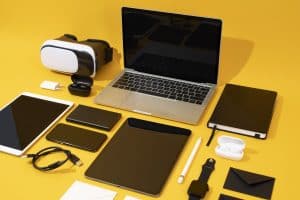
In today’s fast-paced world, the convergence of Audiovisual (AV) technology and immersive experiences has become a transformative force, reshaping various industries. From education to healthcare, businesses are embracing AV technology immersion to create sensory-rich environments and interactive learning spaces. This blog explores the profound impact of AV technology immersion, delving into the depths of innovative solutions and trends that are shaping our future.
AV technology immersion refers to the integration of audiovisual technology into diverse environments, enhancing sensory engagement and experiential learning. This approach incorporates interactive displays, virtual reality (VR), augmented reality (AR), and advanced AV solutions, fostering immersive multimedia experiences. In education, AV technology immersion has paved the way for smart classrooms, digital collaboration tools, and interactive projection systems, revolutionizing the learning experience.
In the realm of education, AV technology immersion benefits students by providing affordable immersive technology options. Interactive displays in classrooms facilitate engaging learning, while VR experiences in education open doors to virtual worlds, enhancing knowledge retention. Similarly, healthcare embraces AR applications for specialized training, and sensory technology aids in special education, creating inclusive and interactive learning environments.
For businesses, AV integration is paramount. Museums utilize interactive displays to offer immersive experiences to visitors, while retail spaces employ interactive AV solutions for experiential marketing. Events come to life through interactive projection systems, leaving attendees awestruck. Moreover, the art world embraces virtual reality in exhibitions, and augmented reality enhances cultural experiences, bridging the gap between technology and creativity.
The future of AV technology immersion lies in its continuous evolution. Businesses and educators are exploring the benefits of interactive AV systems, from innovative uses in audiovisual technology to sensory engagement in museums. As industries progress, AV solutions for experiential marketing are becoming more sophisticated, offering interactive and immersive experiences that captivate audiences. Moreover, the integration of a sensory-rich learning space design ensures inclusivity and accessibility for all.
Balancing Physical Design and AV Integration Within Immersive Environments
The Benefits of AV Technology Immersion
In today’s fast-paced world, where technology continuously evolves, the integration of AV technology immersion has become a game-changer in various sectors, including education, healthcare, corporate training, and more. This section explores the advantages of embracing audiovisual technology, immersive experiences, sensory engagement, and interactive displays, highlighting their positive impacts on engagement, learning outcomes, and user experiences.
Education Revolutionized
Educational institutions have embraced AV technology immersion to create sensory-rich environments that captivate students’ attention. The integration of virtual reality (VR) and augmented reality (AR) applications has revolutionized the classroom experience. Students are no longer passive observers but active participants in their learning journey.
In smart classrooms, advanced AV solutions are employed to deliver immersive multimedia experiences. Interactive projection systems and interactive displays provide hands-on learning opportunities. Teachers can leverage digital collaboration tools to engage students in real time, promoting experiential learning.
Healthcare Transformation
In the healthcare sector, AV technology immersion has opened doors to innovative medical training and patient care. Medical professionals can now access cutting-edge audiovisual solutions to enhance their skills. VR experiences offer realistic simulations for surgical training, while AR applications aid in surgical navigation.
Patient experiences are also improved through sensory technology. Virtual reality experiences can help manage pain and anxiety during medical procedures, providing a comforting distraction. AV equipment integration in healthcare facilities enables efficient data sharing and communication, ultimately improving patient care.
Corporate Training Excellence
Corporate training programs are becoming more effective with the integration of AV technology immersion. Businesses are investing in immersive tech innovations to engage employees and enhance learning outcomes. Sensory-rich learning environments make training sessions more memorable and interactive.
Interactive AV solutions facilitate knowledge transfer, ensuring that employees grasp essential concepts. From virtual reality simulations to interactive learning spaces, AV technology trends in corporate training are reshaping the way companies educate their workforce.
Impacts on Engagement and Learning Outcomes
The benefits of AV technology immersion are undeniable. By immersing learners in interactive multimedia experiences, engagement levels skyrocket. Students, employees, and patients become active participants in their respective domains, resulting in higher retention of information and increased knowledge acquisition.
Moreover, interactive displays for classrooms, sensory-rich learning environments, and innovative AV systems all contribute to improved learning outcomes. When learners are engaged and motivated, they are more likely to succeed and retain information, ultimately leading to better results.
Enhanced User Experiences
Incorporating AV technology immersion enhances user experiences across various sectors. In museums, AV integration allows for interactive exhibits that bring history and art to life. Retailers employ augmented reality to offer customers immersive shopping experiences. Cultural institutions leverage virtual reality to provide engaging cultural experiences.
The future of immersive tech is promising, and its influence will continue to grow in education, healthcare, and corporate training. As technology evolves, so will the innovative uses of audiovisual technology, offering endless possibilities for enriching user experiences.
How to Implement Immersive AV Solutions
In the ever-evolving landscape of audiovisual technology, AV technology immersion has emerged as a game-changer, revolutionizing the way we experience the world around us. This step-by-step guide will walk you through the process of implementing immersive AV solutions, ensuring that you harness the power of sensory engagement and interactive displays to create experiential learning environments.
Step 1: Understanding AV Technology Immersion
Before delving into the implementation process, let’s clarify what AV technology immersion entails. AV technology immersion, often referred to as immersive technology, encompasses the integration of cutting-edge audiovisual solutions into various industries, creating sensory-rich environments for users. This technology trend combines virtual reality (VR) and augmented reality (AR) applications to provide immersive multimedia experiences that go beyond traditional learning and engagement methods.
Step 2: Planning and Research
To start your journey into AV technology immersion, you must begin with thorough planning and research. Identify your specific industry or needs, whether it’s education, corporate training, museums, healthcare, or retail. This step is crucial in tailoring immersive experiences to your target audience effectively.
Step 3: Selecting the Necessary Hardware and Software
Once you have a clear understanding of your objectives, it’s time to choose the right hardware and software components. Consider advanced AV solutions, such as interactive projection systems, smart classroom technology, and digital collaboration tools. These tools will form the foundation of your immersive AV setup.
Step 4: AV Integration and Sensory Engagement
Seamless AV integration is essential for creating sensory-rich environments. Ensure that your AV equipment integration aligns with your chosen immersive technology. For instance, interactive displays are ideal for classrooms, while museums may benefit from sensory technology installations.
Step 5: Designing Immersive Learning Environments
Immersive learning environments require thoughtful design. Consider experiential learning spaces that facilitate interactive learning experiences. Incorporate AV technology seamlessly into the environment, allowing users to engage with content in innovative ways.
Step 6: Staying Updated on Technology Trends
The world of AV technology is constantly evolving. Stay ahead by keeping an eye on AV technology trends. Explore the potential of emerging technologies and how they can enhance your immersive experiences.
Step 7: Benefits of AV Technology Immersion
Implementing immersive AV solutions comes with several benefits. These include enhanced engagement, improved learning outcomes, and memorable experiences. Don’t forget to explore the specific benefits related to your industry, such as AR applications in healthcare or virtual reality experiences in education.
Step 8: Affordable Immersive Technology Options
Cost can be a concern when implementing immersive AV solutions. Look for affordable options that meet your needs without compromising on quality. Many innovative AV systems offer a balance between cost-effectiveness and functionality.
Step 9: Future of Immersive Tech
As technology continues to advance, consider the future of immersive tech. Stay open to new possibilities and innovative uses of audiovisual technology that can further enhance your immersive experiences.
Step 10: References and Further Reading
For in-depth insights and case studies related to AV technology immersion, explore related search terms like “AV technology integration best practices” and “benefits of interactive AV systems.” These resources can provide valuable information to complement your implementation process.
Affordable Immersive Technology Options
In today’s fast-evolving digital landscape, the integration of Audiovisual (AV) technology immersion has become an essential aspect for organizations and institutions seeking to deliver immersive experiences. The demand for sensory-rich environments, interactive displays, and experiential learning is on the rise, driven by technological advancements in virtual reality (VR) and augmented reality (AR). This section explores budget-friendly AV technology options that cater to the evolving needs of various sectors without compromising quality.
AV Technology Immersion: The Basics
Audiovisual technology is at the core of immersive experiences. It enhances sensory engagement and fosters interactive learning spaces. Organizations and institutions can harness the power of AV technology to create sensory-rich environments that captivate audiences.
Cost-effective Alternatives
Virtual Reality (VR) on a Budget: VR experiences have gained popularity across education, healthcare, and corporate training. To implement VR affordably, consider using standalone VR headsets that eliminate the need for expensive computer setups. These headsets offer immersive multimedia experiences without breaking the bank.
Augmented Reality (AR) Applications: AR can be a game-changer for museums, cultural experiences, and special education. Explore AR applications that run on smartphones and tablets, reducing the need for costly AR hardware.
Interactive Displays: Interactive displays are versatile tools for both classrooms and businesses. Look for interactive projection systems that offer advanced AV solutions at a fraction of the cost of high-end alternatives.
Increased Engagement: Interactive displays and sensory technology keep audiences captivated.
Flexibility: Scalable AV integration allows for future expansion.
Implementing Immersive AV Solutions
To successfully implement immersive AV solutions, organizations and institutions should follow these best practices:
Plan Ahead: Define your objectives and desired outcomes before investing in AV technology.
Select the Right Tools: Choose AV equipment that aligns with your goals and budget constraints.
Training: Provide audio-visual training to staff to ensure efficient utilization of the technology.
Regular Maintenance: Schedule maintenance to keep your AV systems running smoothly.
Interactive Displays for Classrooms
Interactive displays have revolutionized the education landscape, embedding Audiovisual (AV) technology immersion into classrooms and learning spaces. This innovative approach integrates immersive experiences, sensory engagement, and cutting-edge audiovisual technology, creating interactive learning environments that foster experiential learning and knowledge retention.
Benefits of AV Technology Immersion
In the realm of educational technology, AV technology immersion stands as a cornerstone. By leveraging advanced AV solutions and immersive technology, educational institutions create sensory-rich environments that cater to diverse learning styles. Interactive displays, coupled with virtual reality experiences and augmented reality applications, transform traditional classrooms into dynamic hubs of learning.
Enhanced Learning Experiences: Interactive displays facilitate experiential learning by providing real-time engagement with educational content. Students can interact with virtual objects, explore historical sites, or dissect complex concepts, enhancing their understanding through hands-on experiences.
Sensory Engagement Solutions: Sensory technology integrated into interactive displays appeals to multiple senses, creating a stimulating learning environment. This sensory-rich experience aids in information retention and makes learning more enjoyable and effective, particularly in special education settings.
Innovative AV Systems and Collaborative Tools: Cutting-edge audiovisual solutions enable digital collaboration and interactive learning spaces. Students and educators can collaborate in real time, fostering teamwork, communication skills, and creativity. Interactive projection systems further enhance engagement during events and presentations.
Real-World Examples of Successful Integration
Several schools and universities have embraced AV technology immersion to create immersive multimedia experiences:
Smart Classroom Technology: Smart classrooms equipped with interactive displays promote active learning. Teachers can customize lessons, incorporate multimedia elements, and gauge student responses in real-time, ensuring a tailored learning experience.
Digital Learning Experiences in Museums: Museums have adopted interactive projection systems and augmented reality applications to offer visitors immersive, educational experiences. Historical artifacts come to life, providing context and enriching the overall museum experience.
Implementing Immersive AV Solutions
Educational institutions seeking to implement immersive AV solutions should consider:
Affordability and Scalability: Exploring affordable immersive technology options ensures accessibility for a wider audience. Institutions can start small, gradually expanding their AV integration based on the evolving needs of students and educators.
Experiential Learning Space Design: Designing sensory-rich learning environments involves careful consideration of space layout, lighting, and interactive display placement. Collaborating with experts in experiential learning space design ensures optimal utilization of AV technology.
AV Integration for Museums and Cultural Institutions
In the dynamic world of museums and cultural institutions, the fusion of technology and art has led to an extraordinary transformation in visitor experiences. This evolution is primarily driven by AV technology immersion, which enables these establishments to create sensory-rich environments, interactive displays, and experiential learning spaces. In this section, we’ll explore the fascinating realm of AV integration in museums and cultural institutions, with a focus on innovative AV solutions, technology trends, and immersive multimedia experiences.
Audiovisual Technology and Immersive Experiences
Audiovisual technology lies at the heart of the immersive experiences that museums and cultural institutions aim to deliver. The term ‘AV technology immersion’ signifies the deep engagement of visitors through advanced AV solutions. These solutions encompass interactive displays, virtual reality experiences, augmented reality applications, and more.
Case Studies of Successful AV Integration
To understand the impact of AV integration, let’s delve into a few compelling case studies:
The Museum of the Future: This Dubai-based museum has embraced immersive technology, offering visitors augmented reality tours that bring historical artefacts to life. This application of AV technology immersion has resulted in a surge in visitor engagement and educational experiences.
The Louvre Abu Dhabi: With interactive projection systems and cutting-edge audiovisual solutions, the Louvre Abu Dhabi has transformed into an interactive learning space. Visitors can explore art in an entirely new way, enhancing their understanding and appreciation.
The Smithsonian National Museum of Natural History: By integrating sensory technology, this museum has created sensory-rich environments. Visitors can touch, feel, and engage with exhibits in ways previously unimaginable, fostering experiential learning.
AV Integration Benefits and Implementation
The benefits of AV technology immersion in museums and cultural institutions are extensive. It fosters experiential learning, facilitates digital collaboration, and showcases innovative AV systems. Implementing immersive AV solutions can be affordable, with options such as interactive displays for classrooms and sensory technology for special education. Moreover, interactive AV solutions for retail and augmented reality for cultural experiences are reshaping the way visitors engage with art and history.
The Future of Immersive AV Technology
In the ever-evolving landscape of audiovisual technology, AV technology immersion has emerged as a transformative force, reshaping how we engage with information and experiences. This section delves into the emerging trends and innovations in AV technology immersion, providing predictions for its continued growth and impact across various sectors.
Immersive Experiences and Sensory Engagement
Immersive experiences powered by audiovisual technology have become a cornerstone of modern engagement. By integrating advanced AV solutions, sensory-rich environments transport individuals into a world where they can see, hear, and touch in unprecedented ways. This sensory engagement is central to the future of AV technology immersion.
Interactive Displays and Experiential Learning
Interactive displays play a pivotal role in AV technology immersion. These displays facilitate experiential learning by encouraging active participation. Educational institutions and corporate training programs have embraced interactive projection systems and smart classroom technology to create immersive learning environments.
Virtual Reality and Augmented Reality
The convergence of virtual reality (VR) and augmented reality (AR) has unlocked innovative AV systems. VR experiences transport users to entirely new worlds, making it an ideal tool for education. AR applications in healthcare provide practitioners with interactive tools for diagnostics and training, while retail explores the possibilities of augmented reality for enhancing customer experiences.
AV Integration and Technology Trends
AV integration is the linchpin of immersive AV solutions. Innovative AV systems continuously push boundaries to provide cutting-edge audiovisual experiences. This technology integration seamlessly blends digital collaboration tools and immersive multimedia, setting the stage for a new era of interactive learning spaces.
Benefits and Implementation
The benefits of AV technology immersion are vast. Educational institutions are seeing improved learning outcomes, museums are enhancing visitor engagement, and businesses are leveraging sensory technology for experiential marketing. Implementing these solutions, however, requires careful planning and consideration of affordability. Affordable immersive technology options are increasingly available, making them accessible to a wider audience.
The Future Unveiled
The future of immersive AV technology holds promise and limitless possibilities. Sensory-rich learning environments will continue to evolve, driven by innovative uses of audiovisual technology. As AR and VR applications find their place in various industries, we can anticipate an even more interconnected world. Healthcare, education, retail, and cultural experiences are just the beginning of the immersive revolution.
Conclusion
In today’s rapidly evolving technological landscape, the importance of AV technology immersion cannot be overstated. This immersive integration of audiovisual technology has become a cornerstone of modern experiential learning and sensory engagement. It offers a dynamic and interactive approach to education, business, healthcare, retail, and various other fields. Let’s delve into the key takeaways that highlight the significance of AV technology immersion and why you should explore and implement immersive AV solutions in your respective domains.
Enhanced Learning and Engagement: AV technology immersion fosters experiential learning, leveraging immersive multimedia experiences, virtual reality, and augmented reality applications. This not only enhances learning but also makes it engaging and memorable.
Interactive Displays and Collaboration: The integration of interactive displays and digital collaboration tools in sensory-rich environments promotes active participation and collaboration. These innovative AV solutions empower learners and professionals alike.
Immersive Technology Trends: Staying updated with AV technology trends is essential. Incorporating cutting-edge audiovisual solutions, such as interactive projection systems, ensures you are at the forefront of immersive tech innovations.
Benefits Across Industries: Whether you’re in education, healthcare, museums, or retail, AV technology immersion offers tailored benefits. From smart classroom technology to AR applications in healthcare, the possibilities are endless.
Cost-Effective Options: Contrary to the misconception of high costs, there are affordable immersive technology options available. You can explore cost-effective ways to implement AV technology immersion in your field.
Best Practices: AV technology integration best practices are vital for a seamless experience. They ensure that you make the most of your investment in interactive AV solutions.
Future of Immersive Tech: The future of immersive tech is bright. As AR and VR applications expand into various industries, staying ahead in the game can provide a competitive edge.
FAQs
What is AV technology immersion?
AV technology immersion refers to the integration of audiovisual (AV) technology to create immersive experiences. It involves using tools like virtual reality (VR), augmented reality (AR), interactive displays, and sound systems to engage users in multisensory environments, enhancing their perception and interaction with digital content.
How does immersive technology benefit education?
Immersive technology enhances education by making learning more engaging and interactive. It improves comprehension, retention, and real-world application of knowledge. Students can explore virtual environments, conduct experiments in VR, and participate in interactive simulations, fostering a deeper understanding of complex subjects.
What are the best interactive displays for businesses?
The best interactive displays for businesses vary based on needs, but popular options include interactive flat panels (IFPs), touchscreen monitors, and interactive projectors. Leading brands like Microsoft, SMART, and Promethean offer reliable solutions.
Why is sensory engagement important in learning spaces?
Sensory engagement in learning spaces stimulates multiple senses, enhancing memory retention and overall learning experiences. It promotes active participation and helps accommodate diverse learning styles.
How to implement interactive AV systems in classrooms?
To implement interactive AV systems in classrooms, start by assessing educational goals and budget. Choose suitable hardware, like interactive whiteboards or tablets, and select relevant software. Train teachers on technology use and provide ongoing support.
What industries use AR and VR applications?
AR and VR find applications in industries like gaming, healthcare, architecture, education, automotive, entertainment, and training. They offer immersive experiences, simulations, and visualization tools.
Are there affordable immersive technology options?
Yes, there are affordable immersive technology options, including smartphone-based VR, low-cost VR headsets, and open-source AR development platforms. These options make immersive experiences accessible to a broader audience.
How does AV integration enhance experiential marketing?
AV integration enhances experiential marketing by creating memorable, interactive brand experiences. It combines audio, video, and interactive elements to engage consumers emotionally and leave a lasting impression.
What are the future trends in immersive tech?
Future trends in immersive tech include advancements in AR glasses, more realistic VR experiences, AI-driven simulations, and widespread adoption in industries like healthcare, training, and remote collaboration.
How to design sensory-rich learning environments?
To design sensory-rich learning environments, consider factors like lighting, acoustics, tactile materials, and interactive technology. Create spaces that stimulate touch, sight, sound, and even smell to enhance learning experiences.
Why use interactive projection systems for events?
Interactive projection systems add an engaging dimension to events by allowing attendees to interact with dynamic content. They can be used for presentations, interactive games, product showcases, and branding to captivate the audience.
What are the benefits of virtual reality experiences in healthcare?
Virtual reality in healthcare offers benefits like pain management, medical training simulations, exposure therapy for phobias, and remote consultations. It enhances patient engagement and outcomes while providing innovative treatment options.
How does augmented reality enhance retail experiences?
Augmented reality enhances retail experiences by enabling virtual try-ons, product visualizations, and interactive shopping apps. It bridges the gap between online and in-store shopping, making it more engaging and convenient for consumers.
Which AV solutions are best for museums?
Museums benefit from AV solutions like interactive touchscreens, audio guides, projection mapping, and augmented reality exhibits. These technologies provide immersive and educational experiences for visitors.
What are the innovative uses of audiovisual technology in various fields?
Innovative uses of AV technology include telemedicine for remote healthcare, 3D visualization in architecture, VR simulations for pilot training, interactive displays in retail, and immersive storytelling in entertainment, among others.
In today’s fast-paced world, the art of effective presentations holds a paramount role in diverse domains ranging from business to education. The ability to captivate an audience, convey information with clarity, and leave a lasting impression is indispensable. One pivotal tool that has transformed presentation dynamics is audio-visual (AV) equipment. This article delves into the significance of AV technology in enhancing presentation impact and engaging the audience. We focus on exploring the best AV equipment options and techniques to maximize presentation productivity.Effective presentations are more than just words on a screen – they are dynamic visuals that tell a story, convey information, and inspire action. AV equipment, such as multimedia projectors, interactive displays, and advanced presentation gear, plays a pivotal role in enhancing audience engagement. Modern presenting demands more than static slides; it requires visual communication that resonates with viewers. The strategic integration of audio-visual tools transforms presentations into captivating experiences, elevating public speaking to new heights.The benefits of AV equipment extend far beyond its technical aspects. When used strategically, audio-visual technology can revolutionize the way information is delivered. By choosing the best AV equipment for presentations, speakers can boost their presentation impact and connect with their audience on a deeper level. This enhances the overall presentation experience, making it more memorable and impactful. The right AV solutions enable seamless multimedia projection, creating an immersive environment that fosters engagement and knowledge retention.Navigating the world of AV technology can be overwhelming, but with the right guidance, it becomes a streamlined process. When considering audio visual setup, it’s essential to stay informed about the latest presentation tech trends. An optimal presentation equipment guide should encompass a wide range of options, from interactive displays to advanced projection systems. With AV integration for impactful speeches, presenters can effortlessly master their message delivery and create presentations that leave a lasting mark.Logitech MTR (Tap + Meetup) Setup & Demo The Power of AV Equipment in PresentationsWith the evolution of technology, presentation methods have undergone a remarkable transformation, shifting from static slides to dynamic multimedia experiences. This transition has been driven by the rise of audio visual (AV) technology, which has revolutionized the way we communicate complex ideas and captivate audiences. Incorporating multimedia solutions has become a cornerstone of effective presentations, maximizing productivity with AV equipment.Captivating Audiences Through Audio Visual TechnologyThe power of AV equipment lies in its ability to captivate an audience’s attention and elevate presentations to new heights. Advanced presentation gear, including interactive displays and multimedia projection, enables speakers to communicate ideas with unparalleled clarity and impact. Through dynamic visuals and immersive experiences, speakers can effectively convey complex concepts, making them more relatable and memorable.Conveying Complexity with ImpactThe integration of AV technology is a game-changer for conveying intricate concepts effectively. It’s no longer limited to words and static images; multimedia solutions allow presenters to use videos, animations, and interactive elements to break down complex topics into digestible pieces. This tech-enabled approach not only enhances audience engagement but also ensures that information is understood and retained.Lasting Impressions and Enhanced EngagementSuccessful speeches are those that leave a lasting impression on the audience. This is precisely what AV equipment facilitates by creating a multisensory experience. The strategic use of audio visual tools ensures that the message resonates with attendees long after the presentation concludes. The integration of optimal presentation tools, coupled with compelling content, enhances the overall impact of the talk.Choosing the Right AV Equipment for Maximum ImpactTo maximize presentation productivity with AV equipment, it’s crucial to choose the right tools. A variety of options are available, ranging from affordable audio visual tools to more advanced setups. When selecting AV equipment, consider factors such as ease of use, compatibility, and functionality. Staying updated with presentation tech trends will also ensure that you’re harnessing the latest innovations for your talks.Elevating Public Speaking with Multimedia SolutionsElevate your public speaking game by mastering AV equipment. Whether you’re a seasoned speaker or new to the stage, the integration of multimedia solutions can significantly enhance your impact. Interactive displays, modern presenting techniques, and multimedia projection contribute to engaging and memorable presentations. This holistic approach to communication is an invaluable skill in today’s tech-driven world. Choosing the Best AV Equipment for PresentationsAudio visual technology has revolutionized the way presentations are delivered, offering a myriad of tools to enhance audience engagement and maximize productivity. In this guide, we’ll delve into the world of AV equipment and presentation tools, exploring how they can significantly elevate your public speaking prowess and streamline your presentation setup.Choosing the Best AV Equipment for PresentationsWhen it comes to delivering impactful presentations, selecting the right AV equipment is paramount. Let’s dive into the key factors you should consider when choosing the best tools for your speaking engagements: Venue Size and Acoustics To unleash presentation productivity, it’s crucial to adapt your AV setup to the venue’s size and acoustics. A large auditorium will demand powerful audio systems and dynamic visuals for optimal engagement. On the other hand, a smaller conference room might require more discreet solutions while maintaining audio clarity. Content Type and Multimedia Projection Different content types demand varied AV solutions. For text-heavy presentations, a high-resolution projector with clear text rendering is essential. For multimedia-rich content, interactive displays and multimedia solutions can create a visually immersive experience. Budget and AV Solutions Effective presentations don’t have to break the bank. Explore affordable audio visual tools that provide quality without compromising your budget. Compare prices, features, and customer reviews to make an informed decision. AV Technology Benefits and Integration AV technology offers numerous benefits, including enhancing audience engagement through dynamic visuals and optimal presentation tools. When selecting AV equipment, focus on seamless integration into your presentation workflow to create impactful, tech-enabled presentations. Presentation Tech Trends and Modern Presenting Stay up-to-date with the latest presentation tech trends to ensure your content remains fresh and engaging. Incorporate advanced presentation gear like interactive whiteboards to facilitate collaborative discussions and dynamic content sharing. Public Speaking Aids for Successful Speeches Public speaking aids, such as audience response systems and real-time
In today’s fast-paced world, Audio-Visual (AV) technology plays a pivotal role across various sectors, from education and business to entertainment and beyond. This blog will delve into the importance of AV technology, its essential aspects, and how mastering them can significantly benefit individuals and businesses. We’ll also cover relevant keywords and topics to provide you with a comprehensive understanding of this dynamic field.AV technology, encompassing audiovisual technology, multimedia systems, and AV equipment, has become an integral part of modern life. Its significance lies in its ability to enhance communication, collaboration, and information dissemination. Businesses rely on AV technology for video conferencing, presentation technology, digital signage, and conference room solutions to streamline operations and engage with stakeholders effectively. On the other hand, AV technology enriches our entertainment experiences through home theatres and professional audio systems.Mastering AV technology essentials for success is a crucial endeavor in today’s interconnected world. AV technology plays a pivotal role in various industries, from education and corporate settings to entertainment and healthcare. To succeed in this field, one must acquire a deep understanding of audio-visual systems, equipment, and best practices.For individuals and businesses alike, mastering AV technology essentials is a game-changer. It ensures seamless integration of AV equipment, video conferencing solutions, and presentation technology, leading to more efficient operations. Moreover, businesses can create immersive customer experiences through digital signage and engage employees with state-of-the-art conference room technology.Technology of The Future Classroom Best AV Equipment for Small BusinessesIn today’s fast-paced business world, equipping your small business with the right Audiovisual (AV) technology essentials is not just a luxury but a necessity. AV technology plays a pivotal role in enhancing communication, collaboration, and presentation capabilities. In this guide, we will explore specific AV equipment options suitable for small businesses, provide cost-effective recommendations, and highlight the advantages of investing in quality AV technology.AV Technology Essentials for Small BusinessesSmall businesses can benefit significantly from a well-equipped AV arsenal. Here are the key AV technology essentials every small business should consider: Multimedia Systems: Start with a reliable multimedia system that includes projectors, screens, and high-quality speakers. This forms the foundation for effective presentations and conferences. Video Conferencing Solutions: In the era of remote work and virtual meetings, investing in video conferencing solutions is crucial. Look for user-friendly systems that support HD video and clear audio. Digital Signage: Digital signage can help small businesses stand out and engage customers. Use digital displays to showcase promotions, menus, or important announcements. Conference Room Solutions: Equip your meeting rooms with AV technology that facilitates seamless presentations and discussions. This includes AV control systems and interactive displays for dynamic collaboration. Audio Systems: Ensure crystal-clear sound quality during presentations, events, and meetings with professional audio systems. Invest in sound reinforcement systems for larger spaces. Home Theater Setup: If your business includes entertainment areas, consider home theater setups. These can enhance customer experiences in lounges or waiting areas. Cost-Effective AV SolutionsSmall businesses often operate on tight budgets, so it’s essential to find cost-effective AV solutions that deliver value. Here are some tips: AV Integration: Opt for AV integration services that customize solutions to your specific needs, avoiding unnecessary expenses. Used AV Equipment: Consider purchasing refurbished AV equipment to save money without sacrificing quality. Smart Classroom Solutions: If you’re an educational institution, explore smart classroom technology that combines AV functionality with educational tools, making the most of your investment. How to Troubleshoot AV Technology IssuesWhen it comes to AV technology essentials, ensuring seamless performance is crucial, whether you’re dealing with multimedia systems, video conferencing, presentation technology, or digital signage. In this comprehensive guide, we’ll share tips and tricks to quickly identify and resolve common AV technology problems, emphasizing the importance of proactive maintenance to prevent future issues.Troubleshooting Common AV Technology IssuesAV technology plays a pivotal role in various settings, from conference room solutions to home theaters and live events. To ensure your audiovisual experience is uninterrupted, let’s dive into effective troubleshooting techniques.Identifying the Problem AV Technology Basics: Begin with the basics. Check if all AV equipment is properly connected and powered on. Often, loose cables or power issues can cause disruptions. AV Technology for Presentations: When facing issues during presentations, ensure that your video conferencing solutions are up to date, and the internet connection is stable. AV Technology for Events: In live event technology, sound reinforcement is critical. Verify that audio systems and microphones are functioning correctly, and cables are securely connected. Quick Solutions AV Integration: For seamless integration, invest in AV control systems. These systems help streamline operations and can be a game-changer in troubleshooting. AV Solutions: Look for professional audio systems that offer reliability. They can significantly improve sound quality during events or presentations. AV Installation: If you’re new to AV technology, consider professional AV installation. Experts can ensure everything is set up correctly from the beginning. Preventive Maintenance AV Technology Maintenance: Regular maintenance is key. Schedule routine check-ups and updates to keep your AV equipment and multimedia systems in top shape. AV Technology Industry Standards: Stay updated with industry standards and the latest AV technology advancements. This knowledge can help you anticipate and avoid issues. Choosing the Right AV Control SystemAV technology essentials play a pivotal role in managing audio and video equipment across various settings, from corporate boardrooms to home theatres. To make an informed decision when selecting an AV control system, it’s essential to understand its significance and compare different types of control systems, such as remote controls and touch panels.The Role of AV Control SystemsAV control systems are the central nervous system of any audiovisual technology setup. They provide seamless integration and control over various AV equipment, ensuring a smooth and efficient user experience. Whether you’re in a conference room, home theatre, or live event, AV control systems are the invisible orchestrators that make it all work.Comparing Control Systems Remote Control: Remote controls are the most common and user-friendly AV control solution. They offer basic functionality for managing audiovisual essentials, like adjusting volume, changing channels, and controlling multimedia systems. While suitable for home theatres
In today’s fast-paced world, where technology is constantly evolving, staying ahead of the curve in your career or personal development requires continuous learning and skill enhancement. One of the most effective ways to achieve this is through personalized training, especially in the realm of audio-visual (AV) technology. In this article, we will explore the benefits and advantages of personalized AV training, and the tailored instruction that can lead to career growth and professional development.Audiovisual technology plays a pivotal role in various industries, from entertainment to education, corporate settings to healthcare. To master this dynamic field, individuals need a deep understanding of AV technology, and this is where personalized education steps in.Personalized education, also known as tailored instruction or customized learning, focuses on delivering one-on-one tutoring and specialized curriculum to meet individual needs. In the context of AV technology, personalized education offers bespoke courses that cater to the unique needs of learners.Skill Development: Personalized AV training ensures that learners acquire the exact skills they need to excel in their chosen field. Whether you’re a beginner or an expert, customized audiovisual education paves the way for skill development.AV Content Creation: Individuals can delve into the world of content creation with personalized AV training. Unique teaching methods and AV training solutions empower learners to create high-quality content.Career Growth: The specialized knowledge gained through personalized AV training can lead to significant career growth opportunities. AV certification opens doors to new career prospects.What is audio visual (AV) equipment? Personalized TrainingIn today’s rapidly evolving learning landscape, personalized training has emerged as a transformative approach to education. This tailored instruction, often associated with audiovisual (AV) technology, redefines the way learners acquire knowledge and skills. In this section, we delve into the definition and significance of personalized training in the context of AV education, differentiating it from traditional AV courses.Personalized Training in AV EducationPersonalized training, also known as tailored AV education, is an innovative pedagogical approach that caters to individual learning needs and preferences. It involves customized audiovisual education experiences, one-on-one tutoring, and specialized curriculum design. The key to personalized training lies in its ability to adapt to each learner’s pace, style, and goals.Personalized Training in Today’s Learning LandscapeIn the age of information overload, learners crave tailored instruction that cuts through the noise and provides value immediately. Here’s why personalized training is gaining momentum: Individualized Guidance: Personalized AV lessons offer individualized guidance, allowing learners to focus on areas where they need improvement. This approach boosts engagement and retention. Bespoke Courses: Learners can access bespoke training programs that align with their interests and career aspirations, such as AV certification and skill development. Unique Teaching Methods: Personalized education employs unique AV teaching methods that cater to diverse learning styles, making it accessible to all levels of learners. Career Growth: Professionals seeking career growth benefit from personalized AV training, which equips them with the specific skills needed in the AV industry. Professional Development: Tailored AV courses for beginners and advanced learners nurture professional development, allowing individuals to stay ahead in this dynamic field. How Personalized Training Differs from Traditional AV CoursesPersonalized training distinguishes itself from traditional AV courses in several ways: Customization: Unlike standardized AV education, personalized training focuses on customization, adapting content to suit each learner’s needs. One-on-One Interaction: Personalized learning involves one-on-one AV classes or guidance, providing a more intimate and focused learning experience. Flexible Curriculum: Specialized audiovisual guidance means that learners can explore a flexible curriculum that aligns with their interests and goals. Tailored Resources: Personalized AV training materials are curated to suit the learner’s proficiency level, ensuring efficient skill development. Benefits of Personalized TrainingIn the realm of AV technology, personalized training has emerged as a transformative force, providing learners with tailored content, flexible learning schedules, and individualized support. This unique approach to audiovisual training, distinct from standardized AV courses, has been instrumental in shaping the success stories of countless individuals seeking to advance their skills and careers.Tailored Content for Personalized EducationOne of the primary advantages of personalized training is the tailored content it offers. Unlike standardized AV courses, which often adopt a one-size-fits-all approach, personalized education takes into account the specific needs and goals of each learner. This means that you get customized audiovisual education that caters to your individual requirements. Whether you’re a beginner looking to grasp the basics or a professional aiming for advanced AV certification, personalized AV training has a solution designed for you.Flexible Learning SchedulesAnother noteworthy benefit is the flexibility it provides in learning schedules. Personalized AV courses allow you to learn at your own pace, fitting your education around your busy life. This flexibility ensures that you can acquire AV skills without compromising your work or personal commitments. This personalized learning approach accommodates both full-time learners and those seeking to enhance their skills on a part-time basis.Individualized Support and GuidanceOne-on-one tutoring and individualized guidance are hallmarks of personalized AV education. Instead of being just another student in a crowded classroom, you receive specialized audiovisual instruction, addressing your unique challenges and questions. This personalized approach fosters a deeper understanding of AV technology and content creation, leading to quicker skill development and career growth. Finding the Best Personalized AV EducationIn the world of AV technology, audiovisual training has become a cornerstone of professional development. As individuals seek to acquire AV certification and skill development, the demand for tailored instruction and personalized education in audiovisual training has grown exponentially. This section will delve into the key factors to consider when choosing a personalized AV training program, backed by reviews, testimonials, and recommendations for the best-personalized AV education providers.Factors to Consider when Choosing Personalized AV Training Tailored Curriculum: The cornerstone of personalized AV education is a specialized curriculum that caters to individual needs. Look for programs that offer customized audiovisual education designed to meet your unique learning objectives. One-on-One Tutoring: Personalized learning thrives on one-on-one attention. Seek out AV training programs that provide individualized guidance through dedicated AV instructors who can adapt to your pace and learning style. Bespoke Courses: To ensure the best-personalized training, opt for
Streamline virtual teamwork with these outstanding online collaboration tools. Our comprehensive guide features the best virtual team collaboration software, including project management tools, online meetings, document collaboration, and virtual workspaces. Increase team productivity and improve communication with these powerful online collaboration tools.
In today’s digital age, remote collaboration has emerged as a transformative force in education, revolutionizing the way educators and students interact, learn, and engage. As traditional classrooms evolve into virtual learning environments, the significance of effective remote collaboration tools becomes increasingly evident. This article explores the growing importance of remote collaboration in education, the need for innovative solutions to enhance virtual classroom environments, and the crucial role it plays in fostering student engagement.Remote collaboration for education refers to the practice of educators and students working together seamlessly, irrespective of their physical locations. It leverages technology to bridge the gaps created by distance, facilitating real-time interaction and knowledge sharing. With the advent of online education and the rise of collaborative teaching approaches, remote collaboration has become a cornerstone of modern learning.As educators navigate the challenges of remote teaching and students adapt to distance learning, the demand for robust remote collaboration tools has surged. These tools empower educators to create interactive virtual classrooms and facilitate seamless student engagement. Additionally, they enable students to actively participate in remote education, fostering a sense of connection and community.Innovative remote collaboration tools offer numerous benefits to educators and students alike. They provide a platform for synchronous and asynchronous communication, allowing for interactive discussions, group projects, and peer-to-peer learning. Furthermore, these tools support the integration of multimedia elements, such as videos and presentations, to enhance the learning experience.To create effective virtual classroom environments, educators must embrace innovative solutions that prioritize student engagement. Remote collaboration tools play a pivotal role in achieving this objective. By incorporating features such as chat functionalities, breakout rooms, and collaborative whiteboards, these tools encourage active participation and collaboration among students.How to Keep Kids Collaborating Remotely Best Remote Collaboration Tools for EducatorsAs education evolves to meet the demands of a digital world, remote collaboration for education has become essential. Educators and students alike can benefit from harnessing the power of technology to enhance collaborative teaching and learning experiences. In this section, we will explore a selection of the top remote collaboration tools specifically designed for educators. These innovative solutions facilitate virtual classrooms, distance learning, and online education, promoting effective student engagement and interaction.Zoom for Education Remote Collaboration and Video Conferencing PlatformZoom for Education is a leading video conferencing tool that has gained immense popularity among educators worldwide. Its user-friendly interface and reliable performance make it an ideal choice for remote teaching. Educators can host virtual classes, conduct interactive discussions, and share educational resources seamlessly. The platform’s breakout rooms enable group activities, fostering collaborative learning among students, even in a virtual environment.Google Workspace for Education Comprehensive Suite of Remote Collaboration ToolsGoogle Workspace for Education, formerly known as G Suite for Education, offers a suite of powerful tools tailored for educators. With Google Classroom, teachers can create, distribute, and grade assignments digitally. Google Meet facilitates virtual classes and allows for real-time collaboration among students. Google Drive and Docs support collaborative projects, enabling students to work together on assignments and presentations.Microsoft Teams Collaboration Hub for Educators and StudentsMicrosoft Teams is an all-in-one collaboration platform that integrates seamlessly with the Microsoft Office suite. Teachers can organize virtual classrooms, conduct video meetings, and collaborate on documents with students. The “Class Notebook” feature allows educators to provide personalized feedback and track student progress effectively. Microsoft Teams also supports third-party educational apps to enhance the teaching experience.Padlet Interactive Virtual Collaboration ToolPadlet is an innovative digital platform that acts as a virtual bulletin board, promoting interactive collaboration. Educators can create “walls” where students can post their ideas, responses, and multimedia content. This fosters a sense of community and engagement among students. Padlet’s versatility makes it suitable for brainstorming sessions, discussions, and sharing resources in an online classroom setting.Nearpod Engaging Multimedia Presentations for Remote TeachingNearpod offers a dynamic platform for creating and delivering interactive lessons to remote students. Educators can build multimedia presentations, quizzes, and polls to keep students engaged throughout the learning process. The “Collaborate” feature allows students to work together on group projects and share their responses in real-time, promoting collaborative learning. Innovative Remote Collaboration Solutions for EducationRemote collaboration has become increasingly important in the field of education, especially in light of recent global events. Traditional video conferencing platforms are no longer sufficient for addressing the evolving needs of educators and students. In this section, we will explore innovative solutions that go beyond video conferencing, leveraging emerging technologies and trends in remote collaboration for education. These solutions offer unique features and advantages such as augmented reality, virtual reality, and AI-powered tools, transforming the way educators and students engage in collaborative teaching and learning.Augmented Reality in Remote CollaborationAugmented reality (AR) has the potential to revolutionize remote collaboration in education. By overlaying digital content onto the real world, AR enhances student engagement and interaction. Educators can utilize AR applications to create immersive learning experiences, allowing students to explore complex concepts and subjects in a visually captivating manner. AR can be used in virtual classrooms, providing students with interactive experiences and promoting active participation. It offers a novel way to bridge the gap between distance learning and in-person instruction, fostering a sense of presence and enhancing student understanding.Virtual Reality for Enhanced LearningVirtual reality (VR) is another cutting-edge technology that holds great promise in remote collaboration for education. By creating fully immersive and interactive environments, VR enables students to engage in virtual field trips, simulations, and experiments. Educators can leverage VR to transport students to historical sites, scientific laboratories, or even imaginary worlds, making learning more exciting and memorable. VR can also facilitate collaborative projects, where students can work together in a shared virtual space, fostering teamwork and problem-solving skills.AI-Powered Tools for Intelligent CollaborationArtificial intelligence (AI) is rapidly transforming various industries, including education. AI-powered tools can significantly enhance remote collaboration by automating repetitive tasks, providing personalized learning experiences, and facilitating intelligent feedback. Intelligent tutoring systems can adapt to individual student needs, offering tailored guidance and support. AI chatbots can assist students with questions and provide real-time assistance. These tools enable educators to focus on higher-order teaching
In today’s fast-paced business landscape, where time is of the essence, maximizing productivity is paramount. The modern era demands seamless work efficiency to stay competitive and meet the ever-increasing demands of industries across the board. As professionals strive to accomplish more in less time, the concept of using multimedia tools to optimize productivity has emerged as a game-changer.In the pursuit of enhancing work performance, professionals are turning to innovative solutions such as audio visual gear, a cornerstone of contemporary productivity tools. This transformative approach to work efficiency leverages multimedia devices and advanced presentation equipment to streamline workflows, thereby boosting work output and creating a more effective work environment.Visual communication stands as a beacon of productivity enhancement in the modern workplace. Utilizing audiovisual technology to convey information with precision not only captures attention but also expedites comprehension. With visual communication tools at the forefront, professionals can optimize their workflow, leveraging the prowess of audiovisual solutions to foster collaboration and ensure seamless information dissemination.The synergy between multimedia productivity tools and audiovisual equipment yields remarkable results. The benefits span from enhancing work efficiency with multimedia tools to boosting work output through visual communication devices. Effective integration of audiovisual aids advantages professionals by optimizing productivity, enabling them to achieve more in less time.The impact of audiovisual solutions on productivity cannot be overstated. By embracing advanced presentation gear benefits, professionals can seamlessly integrate multimedia solutions into their daily routines. These solutions offer multifaceted advantages, including improved efficiency and optimized workflow. The combination of audiovisual technology benefits and productivity optimization tools presents a robust framework for individuals and teams to excel.For those seeking actionable guidance on how to improve productivity with audiovisual gear, a plethora of strategies is available. The use of top audio visual equipment for boosting productivity forms the cornerstone of such strategies. Additionally, tips for optimizing work efficiency with visual aids empower professionals to harness the potential of audiovisual technology. The impact of audiovisual solutions on productivity is undeniable, and through strategic utilization, professionals can achieve unprecedented levels of efficiency.Optima Adaptable Meeting Room | Enhancing Acoustic Performance at Workspace Audio Visual’s Office Unveiling the Best Affordable Audio Visual GearIn today’s fast-paced world, where work efficiency and effective communication are paramount, leveraging advanced audio visual (AV) equipment has become indispensable. The right tools not only enhance your work performance but also maximize productivity. This section dives into the realm of affordable audio visual gear that can elevate your work efficiency and revolutionize your workspace. Let’s explore how affordability does not compromise quality and functionality when it comes to audio visual technology.Maximizing Productivity with AV EquipmentIncorporating audio visual gear into your workflow can significantly boost work output and optimize your overall efficiency. By using multimedia tools, such as advanced presentation equipment and visual communication tools, you can create impactful presentations that captivate your audience and convey your message effectively. These tools enable you to streamline your presentations, saving you time and enhancing your work performance.Enhance Work Efficiency with Multimedia ToolsWhen it comes to enhancing work efficiency, audio visual equipment plays a pivotal role. Investing in the right multimedia devices allows you to create dynamic presentations that resonate with your audience. Effective audio visual equipment for productivity offers benefits beyond the surface, enabling you to convey complex information in a simplified manner. This not only saves time but also ensures that your message is comprehensible and memorable.Optimising Workflow through Audiovisual ToolsOne of the key advantages of audio visual gear is its ability to optimize workflow. With audiovisual solutions, you can seamlessly integrate various multimedia productivity tools into your work routine. This integration ensures that your tasks are accomplished more efficiently, leading to a boost in productivity. By utilizing audiovisual aids, you can effectively communicate your ideas, collaborate with your team, and achieve your goals with precision.Top Productivity-Boosting Gadgets Product Features Benefits AV Presentation System Seamless integration, intuitive controls Streamlined presentations, enhanced engagement Visual Communication Device HD display, interactive features Enhanced collaboration, impactful communication Multimedia Projector High-resolution projection, versatility Dynamic presentations, versatile usage Effective Audio Visual Equipment for ProductivityInvesting in advanced presentation gear brings forth numerous benefits that directly impact work efficiency. These multimedia solutions offer better productivity by facilitating engaging presentations, interactive discussions, and efficient information sharing. Visual aids provide clarity, making it easier to understand complex concepts and leading to more effective decision-making processes.Impact of Audiovisual Solutions on ProductivityThe impact of audiovisual solutions on productivity is undeniable. By incorporating audiovisual technology, you can revolutionize your workspace and create an environment that fosters creativity, collaboration, and efficiency. The benefits extend beyond just presentations; audiovisual technology enhances overall work effectiveness, promotes knowledge sharing, and ultimately contributes to achieving your goals. Top Productivity-Boosting Gadgets: A New Way ForwardIn today’s fast-paced work environment, staying ahead requires innovative strategies. Leveraging cutting-edge gadgets is a new way forward to revolutionize productivity. These gadgets not only enhance work performance but also provide a significant boost to overall efficiency. Let’s delve into the realm of productivity-boosting gadgets and discover how they are changing the game.Advanced Presentation Gear for Work EfficiencyVisual communication is a cornerstone of effective collaboration. With audiovisual technology, individuals and businesses can optimize workflow and communication. This innovative approach leads to improved work output and higher work effectiveness.Impact of Audiovisual Solutions on Productivity: Real-world Success StoriesReal-world success stories highlight the profound impact of audiovisual technology benefits. Individuals and businesses that have embraced audio visual gear report significant productivity enhancements. Businesses that integrate audiovisual aids see a remarkable boost in work output and overall efficiency.Optimizing Workflow through Audiovisual Tools: Data-driven Insights Gadget Key Features Work Efficiency Impact Visual Communication Seamless video conferencing Enhanced remote collaboration Effective Presentation Interactive displays and annotation tools Captivating presentations Multimedia Tools Simultaneous content sharing Streamlined communication Advanced AV Equipment High-definition visuals and clear audio Engaging virtual meetings Productivity Tools Integration with productivity software Streamlined task management Enhance Work Efficiency with Multimedia Tools: Key Takeaways Leveraging audiovisual equipment benefits businesses and individuals alike by enhancing work efficiency. Integration of audiovisual technology optimizes workflow and communication, translating to increased work
This website uses cookies so that we can provide you with the best user experience possible. Cookie information is stored in your browser and performs functions such as recognising you when you return to our website and helping our team to understand which sections of the website you find most interesting and useful.
Strictly Necessary Cookies
Strictly Necessary Cookie should be enabled at all times so that we can save your preferences for cookie settings.
If you disable this cookie, we will not be able to save your preferences. This means that every time you visit this website you will need to enable or disable cookies again.
3rd Party Cookies
This website uses Google Analytics to collect anonymous information such as the number of visitors to the site, and the most popular pages.
Keeping this cookie enabled helps us to improve our website.
Please enable Strictly Necessary Cookies first so that we can save your preferences!