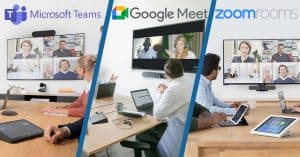
In modern work environments, remote collaboration has emerged as a vital aspect of achieving effective teamwork and enhanced productivity. Remote collaboration refers to the process of individuals working together on projects or tasks while geographically dispersed. This approach allows teams to overcome the limitations of physical proximity and leverage technology to collaborate seamlessly, irrespective of their location.
Remote teams face unique challenges compared to their traditional office-based counterparts. The absence of face-to-face interaction can hinder effective communication and result in misinterpretations or delays. Additionally, remote work requires individuals to manage their time efficiently and maintain a high level of self-discipline. These challenges highlight the need for robust remote collaboration tools to bridge the gaps and facilitate smooth teamwork.
Remote collaboration tools offer various team communication apps and messaging platforms. These platforms enable real-time communication, allowing team members to connect instantly regardless of their physical location. Features like threaded conversations, instant messaging, and notifications ensure seamless and efficient communication among team members.
Collaborative document editing tools and remote file sharing platforms allow team members to work together on documents, spreadsheets, and presentations in real-time. With version control and access control features, these tools ensure that everyone is working on the most up-to-date files, eliminating confusion and improving productivity.
Video conferencing software plays a crucial role in enabling virtual face-to-face interactions. Remote collaboration tools provide video conferencing solutions that support features like screen sharing, interactive presentations, and recording capabilities. These tools facilitate effective remote meetings, fostering better engagement, and strengthening team connections.
TOP REMOTE TEAM TOOLS FOR COLLABORATION AND PRODUCTIVITY
Best Remote Collaboration Tools for Small Teams
In today’s remote work landscape, small teams require effective remote collaboration tools to enhance productivity, streamline communication, and seamlessly manage projects. This section presents a curated list of the best remote collaboration tools tailored specifically for small teams. We’ll discuss their features, benefits, and pricing options to help small teams find the perfect fit for their needs.
Team Communication: Slack
Slack is a popular team communication app that enables real-time messaging, file sharing, and seamless integrations with other collaboration tools. With its user-friendly interface and extensive customization options, Slack keeps teams connected, regardless of their physical location. Small teams can benefit from the free version or upgrade to a paid plan for additional features and enhanced security.
Project Management: Trello
Trello is an easy-to-use online teamwork platform that employs boards, lists, and cards to organize tasks and projects visually. It fosters collaboration through real-time updates and allows team members to assign tasks, set due dates, and attach files. Small teams can opt for the free version or choose from flexible pricing plans to unlock advanced features.
Zoom is a leading video conferencing software with interactive features like screen sharing, chat, and breakout rooms, making remote meetings productive and engaging. Small teams can conduct virtual meetings effortlessly using the free version, while premium plans offer extended meeting durations and additional participant limits.
Document Editing: Google Workspace
Google Workspace (formerly G Suite) provides cloud-based collaboration tools like Google Docs, Sheets, and Slides. These enable real-time editing and commenting, enhancing team collaboration on documents, spreadsheets, and presentations. Small teams can access basic features for free or upgrade to a paid plan for more storage and administrative controls.
Task Management: Asana
Asana offers collaborative work management software, ideal for small teams managing multiple projects simultaneously. It provides task tracking, deadline reminders, and project timelines to improve team productivity and accountability. Asana’s basic version is free, while premium plans unlock more features and advanced reporting.
File Sharing: Dropbox
Dropbox is a reliable remote file-sharing tool that allows small teams to store, access, and share files securely in the cloud. It offers automatic synchronization across devices, simplifying collaboration on shared documents. Teams can start with a free plan, and business plans offer additional storage and collaboration features.
Whiteboarding: Miro
Miro is a remote whiteboarding tool that fosters visual brainstorming and idea collaboration. Small teams can use Miro’s virtual canvas to create diagrams, flowcharts, and mind maps in real-time. Miro offers a free version with limited features, while paid plans cater to diverse team needs.
Tool
Main Features
Pricing Options
Slack
Real-time messaging, file sharing
Free, Paid plans available
Trello
Visual task management
Free, Paid plans available
Zoom
Video conferencing, screen sharing
Free, Paid plans available
Google Workspace
Real-time document editing, cloud storage
Free, Paid plans available
Asana
Task tracking, deadline reminders
Free, Paid plans available
Dropbox
Cloud-based file sharing
Free, Paid plans available
Miro
Virtual whiteboarding
Free, Paid plans available
Affordable Remote Collaboration Software
In today’s digital landscape, remote collaboration has become an essential aspect of teamwork and productivity. With the rise of remote work, businesses are actively seeking cost-effective solutions for efficient remote collaboration. Choosing the right remote collaboration tools is crucial for seamless communication, streamlined project management, and effective teamwork. In this section, we will explore various cost-friendly options that offer quality and functionality without breaking the bank.
Pricing Models and Free Plans
When considering remote collaboration tools, it’s important to evaluate the pricing models offered by different providers. Many platforms offer tiered pricing plans based on the size of the team or organization. These plans often include a range of features and benefits that cater to different collaboration needs. Some providers offer free plans with limited functionality, making them ideal for small teams or those with budget constraints. These free plans usually offer essential features such as messaging apps, file sharing, and basic task management.
Affordable Subscription Options
For businesses seeking more advanced features and scalability, affordable subscription options are available. These plans offer enhanced functionality and increased storage capacity, allowing teams to collaborate seamlessly. By carefully comparing different subscription options, businesses can find cost-friendly plans that meet their specific collaboration requirements. It is important to consider the scalability of the software as the team grows and additional features may be required.
Top-Rated Virtual Collaboration Tools
Several virtual collaboration software options have gained recognition for their affordability and effectiveness. These platforms combine essential collaboration features with user-friendly interfaces, providing a seamless experience for remote teams. Examples of such tools include project management software that allows teams to manage tasks, track progress, and collaborate on projects efficiently. Additionally, team communication apps facilitate real-time discussions and ensure everyone stays connected, no matter the distance.
Cloud-Based Collaboration Tools
Cloud collaboration is another cost-effective solution for remote teams. By leveraging cloud-based collaboration tools, teams can store and access files, documents, and projects from anywhere, eliminating the need for physical servers or expensive infrastructure. These tools also provide secure document editing, version control, and file sharing capabilities, enabling teams to work collaboratively on shared documents in real time.
Video Conferencing and Remote Meetings
Effective communication is essential for remote collaboration. Video conferencing software enables face-to-face communication and virtual meetings, fostering a sense of connection among team members. Some platforms offer screen sharing and interactive features, allowing teams to collaborate effectively during meetings, presentations, and brainstorming sessions. These remote meeting solutions provide a cost-friendly alternative to in-person meetings, saving businesses time and travel expenses.
Task Management and Messaging Apps
Collaborative task management tools help remote teams stay organized and productive. These tools allow teams to assign tasks, set deadlines, track progress, and prioritize work effectively. By utilizing messaging apps, team members can communicate in real time, ensuring seamless collaboration and quick decision-making.
Remote Whiteboarding Tools
Visual brainstorming plays a crucial role in remote collaboration. Remote whiteboarding tools enable teams to share ideas, sketches, and diagrams in a virtual workspace. These tools provide a cost-effective way to facilitate creative discussions and enhance remote collaboration.
Top-Rated Virtual Collaboration Tools
In today’s fast-paced work environment, remote collaboration has become an indispensable aspect of teamwork. Remote work, virtual collaboration, and online collaboration have transformed the way teams operate, emphasizing the need for powerful collaboration tools. Here, we present a curated list of top-rated virtual collaboration tools that have gained widespread recognition and positive reviews, enabling teams to work together seamlessly, regardless of their geographical locations.
Cloud-based Collaboration Tools
These tools allow teams to collaborate on projects in real-time, ensuring that all team members can access and edit documents simultaneously. Google Workspace and Microsoft 365 are two highly-regarded cloud collaboration services that offer document editing, file sharing, and team communication apps to enhance remote teamwork.
Video Conferencing Software with Screen Sharing
Video conferencing tools like Zoom and Microsoft Teams facilitate face-to-face virtual meetings and discussions, enhancing team communication and fostering a sense of connection among remote team members. Screen sharing features allow teams to collaborate effectively on presentations and documents in real-time.
Web-based Collaboration Tools for Remote Project Management
Project management software like Asana and Trello enable remote teams to manage tasks efficiently, assign responsibilities, and monitor progress effortlessly. These collaborative work management software solutions streamline workflows and enhance team productivity.
Real-time Collaboration Tools for Agile Workflows
For agile teams, tools like Jira and Monday.com are ideal choices. These collaborative project management software platforms help teams plan and execute projects in real-time, ensuring seamless collaboration and efficient task management.
Collaborative Document Editing Tools with Real-time Collaboration
Online document editors such as Google Docs and Microsoft Word Online allow multiple users to work on the same document simultaneously. Remote collaboration becomes smoother with the ability to view changes in real-time, fostering efficient teamwork.
Remote Meeting Solutions with Interactive Features
Miro and MURAL are two popular whiteboarding tools that facilitate brainstorming sessions and collaborative idea generation in virtual meetings. These tools offer interactive features that enable teams to visualize concepts and streamline decision-making.
In the dynamic landscape of remote work, efficient collaboration is crucial for the success of distributed teams. Online teamwork platforms play a pivotal role in facilitating seamless remote collaboration. One of the key factors that can significantly impact user experience and productivity is a user-friendly interface and an intuitive design.
Why User-Friendly Interfaces Matter
User-friendly interfaces in remote collaboration tools ensure that team members, regardless of their technical expertise, can easily navigate and utilize the platform. Intuitive designs reduce the learning curve, enabling users to quickly adapt to the software, leading to higher adoption rates and increased efficiency.
Enhancing Collaboration with Intuitive Design
Intuitive design empowers teams to focus on their tasks and goals, rather than struggling with complex features. It streamlines workflows, making it effortless for teams to collaborate, communicate, and manage projects seamlessly. This results in higher engagement levels and improved overall team productivity.
Collaboration Tools with Minimal Learning Curves
Several collaboration tools prioritize ease of use and seamless integration, making them ideal choices for remote teams seeking to enhance their productivity and communication.
Team Communication Apps
Team communication apps such as Slack and Microsoft Teams provide real-time messaging and collaboration features. These platforms offer a simple and intuitive interface, enabling teams to exchange information, share files, and coordinate effortlessly, fostering a sense of togetherness even in virtual environments.
Video Conferencing Software
Video conferencing tools like Zoom and Google Meet facilitate face-to-face interactions for remote teams. With easy-to-use interfaces and features like screen sharing and interactive chat, these platforms promote virtual collaboration that mirrors in-person meetings, enhancing team cohesion.
Task Management Solutions
Task management tools like Asana and Trello offer intuitive interfaces that help teams organize, track, and prioritize tasks. With visual boards and easy drag-and-drop functionality, these platforms simplify project management and enhance remote collaboration workflows.
Cloud-Based Document Editing Tools
Collaborative document editing tools like Google Docs and Microsoft Office 365 allow teams to work simultaneously on documents, facilitating real-time collaboration and version control. These cloud-based solutions ensure that team members can access and edit files from anywhere, promoting seamless remote collaboration.
Step-by-Step Instructions for Effective Utilization
To maximize the potential of these platforms, follow these step-by-step instructions:
Team Communication Apps: Slack
Create a team workspace and invite members.
Organize channels based on projects or topics.
Utilize @mentions for direct communication.
Share files, images, and documents within channels.
Explore integrations for seamless workflow connections.
Video Conferencing Software: Zoom
Schedule and send invitations for remote meetings.
Familiarize yourself with screen sharing and annotation tools.
Utilize breakout rooms for small group discussions.
Record meetings for reference or absent team members.
Use chat features for additional interactions.
Task Management Solutions:Asana
Create projects and tasks for different assignments.
Assign responsibilities to team members.
Set due dates and priorities for each task.
Utilize Kanban boards or timeline views for easy tracking.
Download documents in various formats for sharing.
Cloud-Based Collaboration Tools for Remote Workers
In today’s digital age, remote collaboration has become essential for businesses and organizations worldwide. Cloud-based collaboration tools offer numerous advantages for remote workers, enabling seamless teamwork, efficient project management, and effective communication. Let’s explore the benefits of utilizing these tools for remote collaboration.
Real-Time Access for Seamless Collaboration
One of the primary advantages of cloud-based collaboration tools is real-time access to shared resources. Remote workers can collaborate on projects, access and edit documents simultaneously, and provide instant feedback, regardless of their physical location. This eliminates delays caused by time zone differences and enables smooth, uninterrupted teamwork. With virtual collaboration software, teams can work together as if they were in the same office, enhancing productivity and fostering a sense of unity.
Centralized Storage for Efficient Collaboration
Cloud-based collaboration tools provide centralized storage for files, documents, and other project-related assets. This eliminates the need for multiple copies or versions of files and reduces the risk of data loss. With cloud collaboration services, remote workers can easily store, organize, and retrieve files, ensuring everyone has access to the most up-to-date information. This centralized storage also simplifies document editing, allowing team members to collaborate on the same file simultaneously, enhancing efficiency and avoiding version conflicts.
Seamless File Sharing and Collaboration
Efficient file sharing is crucial for remote collaboration, and cloud-based tools excel in this aspect. These tools offer secure and user-friendly file sharing features, enabling remote workers to share documents, images, and other media effortlessly. With cloud-based collaboration tools, team members can provide feedback, make edits, and track changes in real-time, promoting effective collaboration. The ability to share large files quickly and securely enhances productivity and streamlines project workflows.
Selection of Cloud-Based Collaboration Tools
When it comes to cloud-based collaboration tools, several options cater to the unique needs of remote workers. Here are some notable tools that offer secure and efficient collaboration features:
Project Management Software: Tools like Trello and Asana provide comprehensive project management solutions, allowing remote teams to assign tasks, track progress, and collaborate effectively on projects.
Team Communication: Slack and Microsoft Teams offer robust team communication platforms, enabling remote workers to engage in real-time discussions, share updates, and collaborate seamlessly.
Document Editing: Google Workspace (formerly G Suite) provides cloud-based document editing tools such as Google Docs, Sheets, and Slides. These tools allow remote teams to collaborate on documents simultaneously, ensuring efficient and synchronized editing.
Video Conferencing: Zoom and Microsoft Teams offer reliable video conferencing software with features like screen sharing and interactive whiteboards, facilitating virtual meetings and enhancing remote collaboration.
File Sharing:Dropbox and Google Drive offer secure cloud storage and file sharing solutions, enabling remote teams to access and share files seamlessly while maintaining version control.
Task Management:Monday.com and Jira provide collaborative task management tools, allowing remote workers to track and prioritize tasks, ensuring efficient project execution.
Messaging Apps:Slack, Microsoft Teams, and Discord are popular messaging apps that enable remote teams to communicate, share files, and collaborate effectively in real-time.
Whiteboarding Tools:Miro and Mural are online whiteboarding tools that facilitate visual brainstorming and idea sharing, promoting remote collaboration and creativity.
Effective Remote Project Management Software
In today’s digital landscape, remote work has become a norm for many businesses, requiring robust remote collaboration tools to ensure successful project execution. This section explores various project management software options that facilitate remote team coordination, task tracking, and progress monitoring. These tools support agile workflows and enable efficient remote project management, fostering seamless collaboration among distributed teams.
Remote Collaboration Tools: Bridging the Distance
Remote collaboration is the cornerstone of successful remote work, enabling teams to work together seamlessly regardless of their geographical locations. By leveraging advanced collaboration tools, teams can overcome communication barriers and foster a culture of effective teamwork. These tools encompass a wide array of features, including virtual collaboration, online collaboration, and team communication capabilities.
Facilitating Remote Team Coordination
Project Management Software for Seamless Coordination Effective remote project management software acts as a centralized hub for teams, allowing them to organize tasks, allocate resources, and track progress efficiently. Some popular options include:
Agile Workflows for Remote Teams Agile methodologies are widely adopted by remote teams due to their adaptability and iterative nature. To support agile workflows, consider the following software:
In today’s ever-evolving landscape of remote work and collaboration, the significance of utilizing remote collaboration tools cannot be overstated. These tools play a vital role in enhancing teamwork and productivity for distributed teams. With the right virtual collaboration software and online teamwork platforms, teams can overcome the challenges of working remotely and foster effective collaboration regardless of geographical boundaries.
Remote collaboration tools offer a wide range of features that enable seamless communication, project management, and document editing. By leveraging cloud-based collaboration tools, teams can access shared workspaces, collaborate on files in real-time, and ensure version control. Such tools eliminate the need for back-and-forth email exchanges and empower teams to collaborate efficiently from anywhere, anytime.
Team communication lies at the heart of successful remote collaboration. Remote team communication apps provide a platform for instant messaging, video conferencing, and remote meetings. These tools facilitate face-to-face interactions, allowing teams to build rapport, clarify expectations, and discuss project details in real-time. Video conferencing software with screen sharing capabilities further enhances collaboration by enabling visual presentations and demonstrations.
Managing projects and tracking tasks in a remote environment can be challenging without the right tools. Remote project management software and collaborative task management tools offer robust solutions for planning, organizing, and monitoring team activities. These tools provide features such as deadline reminders, progress tracking, and task assignment, ensuring that everyone stays aligned and focused on their respective responsibilities.
Efficient file sharing is essential for remote teams to collaborate on documents, presentations, and other resources. Remote file sharing tools with access control features allow teams to securely share and collaborate on files while maintaining data privacy. By utilizing file versioning and integration capabilities, collaborative document editing tools ensure that teams can work on the most up-to-date versions of files, avoiding confusion and data inconsistencies.
Visual brainstorming and ideation play a crucial role in remote collaboration. Remote whiteboarding tools provide a virtual canvas for teams to brainstorm ideas, visualize concepts, and create mind maps collaboratively. These tools promote creativity and enhance remote teamwork by facilitating interactive brainstorming sessions and enabling participants to contribute their ideas in real-time.
To thrive in the ever-changing landscape of remote work and collaboration, teams must embrace continuous improvement and adaptation. By staying updated with remote work collaboration trends and exploring new collaborative work management software, teams can leverage the latest tools and strategies to enhance their productivity and teamwork. Regularly assessing the effectiveness of the chosen remote collaboration tools and incorporating user feedback ensures that teams are optimizing their collaborative workflows.
To elevate your remote collaboration experience and unlock the full potential of distributed teamwork, consider exploring the following recommended remote collaboration tools: project management software, team communication apps, collaborative document editing tools, video conferencing software, and remote whiteboarding tools. These best-in-class solutions offer features tailored to remote collaboration, empowering teams to work together efficiently, communicate effectively, and achieve their goals.
FAQs
What are the best remote collaboration tools available?
Some of the best remote collaboration tools available include:
Microsoft Teams: Offers chat, video calls, file sharing, and integration with other Microsoft products.
Slack: Provides real-time messaging, file sharing, and integration with various third-party apps.
Zoom: Popular video conferencing platform with screen sharing and recording features.
Google Workspace: Includes Google Docs, Sheets, and Slides for real-time collaboration, along with Google Meet for video calls.
Trello: A project management tool that enables team collaboration and task tracking.
Asana: Allows teams to organize and manage projects, assign tasks, and track progress.
Miro: Offers a digital whiteboard for visual collaboration, brainstorming, and diagramming.
Monday.com: A versatile project management platform with collaboration features and customizable workflows.
Jira: Primarily used for software development, it enables teams to track tasks, bugs, and project progress.
Basecamp: A comprehensive project management and communication tool for remote teams.
How do virtual collaboration software platforms work?
Virtual collaboration software platforms facilitate remote collaboration by providing tools and features that enable teams to work together effectively. These platforms typically offer features such as real-time messaging, video conferencing, file sharing, task management, and document collaboration. Users can create workspaces or projects where team members can communicate, share files, assign tasks, and track progress.
Virtual collaboration software platforms rely on the internet to connect team members, allowing them to collaborate from anywhere. These platforms often have web and mobile applications that provide a consistent experience across devices. Users can interact through chat, video calls, and shared documents, fostering communication and collaboration in real-time. The software keeps track of activities, updates, and changes made by team members, ensuring transparency and accountability.
Overall, virtual collaboration software platforms aim to replicate the experience of working together in a physical environment, enabling seamless teamwork regardless of geographical location.
What are the benefits of using online teamwork platforms?
Using online teamwork platforms offers several benefits for collaborative work:
Enhanced communication: Online teamwork platforms provide real-time messaging, video conferencing, and other communication tools, fostering instant and efficient communication among team members.
Improved collaboration: These platforms allow teams to collaborate on shared documents, track progress, and work together on tasks, enabling seamless collaboration regardless of physical location.
Increased productivity: Online teamwork platforms streamline workflows, automate task management, and provide a centralized workspace for accessing relevant information, leading to improved productivity and efficiency.
Remote work facilitation: These platforms enable remote teams to work together effectively, eliminating the need for physical proximity and supporting flexible work arrangements.
Document and file management: Online teamwork platforms often offer file sharing, version control, and document collaboration features, making it easier for teams to manage and collaborate on shared files.
Integration with other tools: Many online teamwork platforms integrate with various third-party apps and services, allowing teams to bring together different tools and streamline their workflows.
Overall, using online teamwork platforms can enhance communication, collaboration, and productivity for teams working remotely or in distributed environments.
How can remote project management software improve productivity?
Remote project management software can improve productivity in several ways:
Centralized project information: Remote project management software provides a centralized location for storing project-related information, including tasks, timelines, files, and communication. This ensures that team members have easy access to all relevant project details, reducing time spent searching for information and improving productivity.
Task assignment and tracking: These software solutions enable project managers to assign tasks to team members and track their progress in real-time. Clear task assignment and visibility help in avoiding duplication of efforts, improving accountability, and ensuring efficient task completion.
Collaboration and communication: Remote project management software often includes collaboration features such as real-time messaging, document sharing, and commenting, facilitating effective communication among team members. Improved collaboration eliminates delays and promotes productivity.
Workflow automation: Many project management tools offer automation features like task dependencies, recurring tasks, and notifications. Automating repetitive tasks and reminders reduces manual effort, saves time, and improves overall productivity.
Reporting and analytics: Remote project management software provides reporting and analytics features that allow project managers to track key performance indicators, identify bottlenecks, and make data-driven decisions to optimize productivity.
Integration with other tools: Integration with other software tools commonly used in project management, such as time tracking or issue tracking systems, can streamline workflows and improve productivity by reducing manual data entry and enabling seamless information flow.
By providing a centralized platform for collaboration, task management, and communication, remote project management software helps teams stay organized, efficient, and focused, ultimately improving productivity.
Which team collaboration solutions offer real-time communication?
Several team collaboration solutions offer real-time communication capabilities, enabling instant communication among team members. Some of these solutions include:
Microsoft Teams: Provides chat, video calls, and audio calls, allowing team members to communicate in real-time.
Slack: Offers real-time messaging, voice calls, and video conferencing features for instant communication.
Google Workspace: Includes Google Chat for real-time messaging and Google Meet for video calls, facilitating instant communication.
Zoom: Primarily known for its video conferencing capabilities, Zoom enables real-time communication through video and audio calls.
Cisco Webex Teams: Offers real-time messaging, video calls, and screen sharing for seamless collaboration.
Discord: Originally designed for gamers, Discord has gained popularity for its real-time messaging, voice, and video communication features, making it suitable for team collaboration.
Flock: Provides real-time messaging, video calls, and screen sharing to facilitate instant communication and collaboration.
Chanty: Offers real-time messaging, voice calls, and integrations, supporting quick and efficient team communication.
Rocket.Chat: An open-source platform that provides real-time messaging, voice calls, video conferencing, and screen sharing capabilities.
Mattermost: Another open-source solution that offers real-time messaging, voice calls, video calls, and screen sharing features for effective team collaboration.
These team collaboration solutions enable teams to communicate instantly, regardless of their physical location, fostering seamless collaboration and productivity.
What are the features of cloud-based collaboration tools?
Cloud-based collaboration tools typically include the following features:
File sharing and document collaboration: Cloud-based collaboration tools allow users to upload, store, and share files in a centralized cloud environment. Multiple team members can collaborate on shared documents simultaneously, with real-time updates and version control.
Real-time messaging and chat: These tools offer real-time messaging features that enable team members to communicate instantly, fostering quick discussions, feedback, and coordination.
Task and project management: Cloud-based collaboration tools often include features for creating and managing tasks, assigning responsibilities, setting due dates, and tracking progress. This helps teams stay organized and ensures transparency in project management.
Integration with other apps: Many cloud-based collaboration tools integrate with popular productivity apps, such as project management tools, file storage services, calendars, and communication platforms. This integration allows teams to streamline their workflows and access all relevant information within a single interface.
Video conferencing and virtual meetings: Some cloud-based collaboration tools offer built-in video conferencing capabilities, allowing teams to conduct virtual meetings, presentations, and discussions.
Access from any device: Cloud-based collaboration tools are accessible through web browsers and often have dedicated mobile apps, enabling users to collaborate and access information from various devices, including computers, smartphones, and tablets.
Security and permissions: Cloud-based collaboration tools prioritize data security and offer features such as user permissions, encryption, and authentication to protect sensitive information and control access to files and documents.
Analytics and reporting: Many cloud-based collaboration tools provide analytics and reporting features that help teams track progress, monitor performance, and gain insights into collaboration patterns.
These features collectively facilitate efficient and seamless collaboration in a cloud-based environment.
How do remote team communication apps enhance collaboration?
Remote team communication apps enhance collaboration in several ways:
Real-time communication: Remote team communication apps provide instant messaging, chat, and video conferencing features, enabling team members to communicate in real-time regardless of their physical location. This fosters quick decision-making, reduces delays, and promotes efficient collaboration.
Seamless information sharing: These apps facilitate easy sharing of documents, files, and media, allowing team members to collaborate on shared resources simultaneously. This eliminates the need for back-and-forth email exchanges and promotes collaboration.
Team visibility and transparency: Remote team communication apps often have features that provide visibility into team members’ availability, status updates, and ongoing activities. This transparency helps in understanding team dynamics, facilitating coordination, and avoiding miscommunication.
Remote meeting facilitation: Communication apps with video conferencing capabilities enable remote teams to conduct virtual meetings, presentations, and brainstorming sessions. This ensures face-to-face interaction, enhances engagement, and promotes effective collaboration.
Integration with other tools: Many remote team communication apps integrate with project management, file sharing, and other collaboration tools. This integration allows teams to centralize their communication and collaboration efforts, streamline workflows, and access relevant information within a unified platform.
Mobile accessibility: Remote team communication apps often have dedicated mobile applications, enabling team members to stay connected and collaborate on the go. Mobile accessibility enhances flexibility and productivity for remote teams.
Search and archiving: Communication apps usually provide search and archiving capabilities, allowing team members to retrieve past conversations, files, and decisions. This ensures easy access to important information and promotes knowledge sharing.
Overall, remote team communication apps facilitate efficient and effective collaboration by providing real-time communication, seamless information sharing, and enhanced visibility into team dynamics.
How can collaborative work management software benefit distributed teams?
Collaborative work management software offers several benefits for distributed teams:
Centralized collaboration: Collaborative work management software provides a centralized platform where distributed team members can access and collaborate on projects, tasks, and documents. This promotes a unified work environment and ensures that everyone has access to the latest information and updates.
Task assignment and tracking: Distributed teams can use collaborative work management software to assign tasks, set deadlines, and track progress. This helps teams stay organized, ensures accountability, and enables efficient task completion.
Communication and coordination: Collaborative work management software often includes communication features such as comments, mentions, and notifications. These features facilitate seamless communication among distributed team members, promoting coordination and reducing miscommunication.
Document and file collaboration: These software solutions often include document collaboration features, allowing distributed team members to work together on shared files in real-time. This eliminates the need for sending files back and forth via email and ensures that everyone is working on the latest version.
Visibility and transparency: Collaborative work management software provides visibility into project timelines, tasks, and progress for distributed teams. This transparency helps team members understand project status, identify dependencies, and make informed decisions.
Workflow automation: Many collaborative work management tools offer workflow automation features, allowing teams to automate repetitive tasks, set up approval processes, and streamline their workflows. This reduces manual effort, saves time, and improves productivity.
Reporting and analytics: Collaborative work management software often includes reporting and analytics capabilities, providing insights into team performance, project metrics, and resource allocation. This data helps distributed teams make data-driven decisions and optimize their workflows.
In summary, collaborative work management software benefits distributed teams by providing a centralized platform for collaboration, task management, communication, and transparency, ultimately improving efficiency and productivity.
What are the advantages of using digital collaboration platforms?
Using digital collaboration platforms offers several advantages:
Seamless communication: Digital collaboration platforms provide real-time messaging, video conferencing, and other communication tools, enabling seamless communication among team members regardless of their physical location. This fosters quick decision-making, reduces delays, and promotes efficient collaboration.
Enhanced productivity: Digital collaboration platforms offer features such as task management, file sharing, and document collaboration, streamlining workflows and improving productivity. These platforms provide a centralized workspace where team members can access relevant information, collaborate on tasks, and track progress, ensuring everyone is on the same page.
Flexible and remote work: Digital collaboration platforms support flexible work arrangements and remote work by allowing team members to collaborate from anywhere. This enables organizations to tap into a global talent pool, reduces the need for physical office spaces, and promotes work-life balance.
Time and cost savings: Digital collaboration platforms eliminate the need for face-to-face meetings, extensive travel, and physical storage of documents. This results in time and cost savings for organizations, as collaboration can happen virtually, and files can be stored and accessed digitally.
Increased transparency and accountability: Digital collaboration platforms provide visibility into project progress, task ownership, and updates. This transparency promotes accountability among team members, reduces misunderstandings, and enhances overall team performance.
Integration with other tools: Many digital collaboration platforms integrate with other productivity tools, such as project management software, file storage services, and communication apps. This integration streamlines workflows, reduces context-switching, and allows teams to leverage their existing toolsets.
Scalability and collaboration with external stakeholders: Digital collaboration platforms can accommodate teams of various sizes and facilitate collaboration with external stakeholders such as clients, vendors, or partners. This enables organizations to collaborate efficiently across different projects and collaborations.
Overall, digital collaboration platforms empower teams to collaborate effectively, regardless of their physical location, leading to improved productivity, flexibility, and cost savings.
How can collaborative project management software streamline workflows?
Collaborative project management software can streamline workflows in several ways:
Centralized project information: Collaborative project management software provides a centralized location for storing project-related information, including tasks, timelines, files, and communication. This ensures that team members have easy access to all relevant project details, reducing time spent searching for information and improving workflow efficiency.
Task assignment and tracking: Project management software enables project managers to assign tasks to team members and track their progress in real-time. Clear task assignment, deadlines, and visibility into task status help in avoiding duplication of efforts, improving accountability, and ensuring efficient task completion.
Collaboration and communication: Collaborative project management software often includes communication features such as commenting, document sharing, and real-time messaging. These features foster collaboration, reduce communication gaps, and ensure that project-related discussions and decisions are documented in one place.
Workflow automation: Many project management tools offer workflow automation features such as task dependencies, recurring tasks, and notifications. Automating repetitive tasks, reminders, and approvals reduces manual effort, saves time, and streamlines workflows.
Resource management: Collaborative project management software allows project managers to allocate and manage resources efficiently. This includes assigning team members to tasks, tracking resource availability, and optimizing resource utilization, leading to better workflow management.
Gantt charts and visual timelines: Project management software often includes Gantt charts or visual timelines that provide a clear overview of project schedules, dependencies, and milestones. This visual representation helps in planning, prioritizing, and optimizing workflows.
Reporting and analytics: Collaborative project management software provides reporting and analytics features that allow project managers to track project progress, identify bottlenecks, and make data-driven decisions. This enables proactive project management and helps in streamlining workflows based on performance insights.
By providing a centralized platform for collaboration, task management, and communication, collaborative project management software streamlines workflows, improves coordination, and enhances overall project efficiency.
Which cloud collaboration services are secure for remote work?
Several cloud collaboration services prioritize security and are suitable for remote work. Some secure cloud collaboration services include:
Microsoft 365: Offers robust security features, including data encryption, identity and access management, and compliance controls. It provides secure file storage, sharing, and collaboration through platforms like SharePoint and OneDrive.
Google Workspace: Implements strong security measures, including encryption in transit and at rest, multi-factor authentication, and data loss prevention. Google Drive allows secure file storage, sharing, and real-time collaboration.
Dropbox Business: Provides advanced security features such as encryption, access controls, and remote wipe capabilities. It offers secure file storage, sharing, and collaboration with granular permission settings.
Box: Emphasizes security with features like encryption, access controls, and data loss prevention. Box enables secure file sharing, collaboration, and integration with other business tools.
Citrix ShareFile: Offers enterprise-grade security with encryption, access controls, and activity monitoring. ShareFile provides secure file sharing and collaboration features for remote teams.
Egnyte: Focuses on security with features like encryption, access controls, and data governance. Egnyte enables secure file storage, sharing, and collaboration across teams.
Tresorit: Known for its strong end-to-end encryption, Tresorit ensures secure file sharing and collaboration. It also provides features like remote wipe and access control management.
Slack Enterprise Grid: Offers enterprise-level security controls, including data encryption, compliance certifications, and user provisioning. Slack provides secure messaging, file sharing, and collaboration for remote teams.
Cisco Webex Teams: Implements security measures such as encryption, data loss prevention, and secure guest access. Webex Teams enables secure messaging, file sharing, and real-time collaboration.
Jira Software Cloud: Provides security features like encryption, access controls, and compliance controls. Jira Software Cloud allows secure issue tracking, project management, and collaboration for remote teams.
While these cloud collaboration services prioritize security, organizations should evaluate their specific security requirements and consider additional measures like user awareness training, strong passwords, and regular software updates to further enhance security for remote work.
What are the top-rated collaborative document editing tools?
Some of the top-rated collaborative document editing tools include:
Google Docs: A widely used collaborative document editing tool that enables real-time collaboration on documents, spreadsheets, and presentations. Multiple users can simultaneously edit and comment on the same document.
Microsoft Office 365: Offers collaborative editing features through applications like Microsoft Word, Excel, and PowerPoint. Users can work together on documents, track changes, and leave comments.
Dropbox Paper: Provides a collaborative workspace for creating and editing documents, with features like real-time editing, comments, and task management. It integrates with Dropbox for easy file sharing.
Quip: A collaborative productivity suite that combines documents, spreadsheets, and task lists. It allows real-time collaboration, commenting, and notification updates.
Notion: Offers collaborative document editing with features like real-time editing, comments, and task management. It provides a flexible workspace for creating documents, wikis, and databases.
Zoho Writer: A collaborative word processing tool that allows multiple users to work on documents simultaneously. It includes commenting, revision history, and file sharing features.
Coda: Combines documents and spreadsheets with interactive elements to create collaborative and customizable documents. It supports real-time collaboration, task management, and integrations with other tools.
Etherpad: An open-source collaborative editor that allows real-time editing and collaboration on plain text documents. It provides basic formatting and version control features.
OnlyOffice: Offers collaborative document editing, sharing, and commenting features. It integrates with various storage platforms and provides a complete office suite for collaborative work.
GitBook: A platform for creating and collaborating on documentation. It allows real-time editing, commenting, and version control, particularly useful for technical documentation.
These collaborative document editing tools enable teams to work together on shared documents, improve version control, and streamline the editing process, enhancing productivity and collaboration.
Video conferencing has taken over our lives for the past two years. And with the AV market ever growing, it can be a challenge trying to find the right equipment. That not only suits your wants and needs, but each device being high quality to deliver a high quality meeting. However, now a days its not just about buying the best camera with 4K quality or a microphone with 360° pickup. You now have to think about the platforms you're using, Zoom, Teams or Google Meet. They all have the basic job of connecting people via video, but people definitely have their favourite. That's where meeting room solution kits come into the game. With it now nearing the end of the year and there being lots of new equipment, there's still a lot to think about when buying meeting room equipment. To make things easier for you, here are our recommended meeting room equipment for 2022. For Zoom Rooms With many different video conferencing platforms, finding the right one that works for you can seem a bit pointless. Considering they all do the same thing. But with Zoom Rooms, you can conference simply and seamlessly. All you have to do is install the equipment and get to conferencing. Zoom handling the rest. If you don't know what Zoom Rooms is, it is basically turning your small, medium or large meeting room into a Zoom based room. Making Zoom meetings just as simple tap away. And that's all it takes to start a Zoom call with Zoom Room kits. It integrates all the necessary meeting room equipment with Zoom software. So if you're a dedicated Zoom platform user, purchasing Zoom Room kits is a big benefit to not only upgrading your meeting room, but upgrading your meetings and making it an easier task for you and your colleagues. Zoom Room kits can totally transform your meeting room, taking once an old, forgotten meeting room to a collaborative, easy to manage space to hold all your meetings. Its more than just room to room conferencing, it makes video conferencing external colleagues or business partners easy. Zoom Room kits don't only accommodate huddle spaces and medium to large meeting rooms, but they also offer separate touch screen displays and scheduling displays for your meeting rooms. Zoom being able to fully kit out your meeting. They have teamed up with many big named brand to bring you the best meeting room kit possible: Logitech, Yealink, DTEN, Neat, Poly, all covering small to large rooms. Yealink ZVC500 Zoom Room Meeting Kit If Zoom Rooms sounds like the best fit to your meetings, the Yealink ZVC500 is the best kit for you. With high quality devices, your meetings will be transformed with just a few connections. This video conferencing kit comes includes: Yealink UVC50 PTZ Camera CP960 Conference Phone MCore Mini-PC A kit that includes all of your needs, taking the difficulty out of upgrading your meeting room. The ZVC500 is packed full of qualities to help you conference better. This kit is specifically designed for medium sized rooms but with a 5x optical zoom, 4k camera, and a 360° voice pickup range. It's easy for the ZVC500 to fit in with your small or even your huddle room. Yealink UVC50 Camera The UVC50 camera makes this video conferencing equipment. It has to be in top condition to bring perfect meetings. The camera includes a pan range of 60°, a tilt range of 40° and a 91° field of view. So with these qualities alongside a powerful 4K camera to capture you and several other colleagues in a meeting. It shows that the UVC50 camera is just the camera to capture everyone in a medium sized meeting. Plus it shows that Zoom have chosen the right brand and equipment to better your meetings. Furthermore, the UVC50 includes auto framing with 60 frame rate. A perfect combination to give the best angle and the clearest picture. Yealink CP960 Having high quality audio is important. Participants at both ends need equipment to be able to hear every thought and idea clearly. The CP960 is the perfect addition to the ZVC500 room kit. If you only have the choice of one meeting room for all of your meetings, no matter the size, then the CP960 will still work in your meeting room. With a 5" capacitive touchscreen display and 360° voice pickup range, you can place the device anywhere on your meeting room table. So if you are using your one meeting room for a huddle sized meeting. You can easily place the CP960 on the table where you and your colleague or colleagues are sitting. However, if you are using that one meeting room for your medium sized meeting and the meeting room table is full. The CP960 Conference Phone can still pick up you and your colleagues voices. Plus with Yealink Noiseproof technology, you voices will be the only thing that the CP960 will pick up. Putting across crystal clear audio to your external participants. Blocking out any unwanted and distracting noises. MCore Mini-PC The MCore Mini-PC is the heart of the ZVC500. The heart that makes the UVC50 camera and the CP960 Conference Phone run smoothly. The 8th Gen Intel Quad-Core Processor and 128GB storage, lets you do just that. This is the heart as everything in the ZVC500 kit connects to the MCore Mini-PC. Now this may sound like a messy bit of the equipment, but the MCore has built in cable management. Stopping any cables from overlapping and confusing anyone who may need to unplug something. Not only that but keeping, wherever you put the Mini-PC, tidy. Alongside this, the MCore has a security slot. Meaning that it you want your MCore to stay in its designated space. The security slot feature will stop anyone from unplugging anything from the MCore and moving it anywhere. [vc_images_carousel images="12288,12286" img_size="full" autoplay="yes" wrap="yes"] For Google Meet Just like Zoom Rooms, Google Meet has full kits for specific
In today’s tech-driven world, the demand for immersive audiovisual experiences has never been higher. Whether you’re a professional in the audiovisual industry or an enthusiastic hobbyist, mastering Advanced AV Techniques is essential for staying ahead. In this blog, we’ll delve deep into the world of Audiovisual technology, exploring the significance of optimizing AV settings, troubleshooting, and integration. Our goal is to provide you with valuable insights, catering to professionals and enthusiasts alike.Professional AV expertise is not just a skill; it’s an art. By honing your skills in Advanced AV Techniques, you elevate your craft to the level of mastery. This mastery is not only about using the latest AV gear but also about understanding the nuances of sound system optimization and innovative multimedia setups.The world of AV craftsmanship is constantly evolving. Embracing advanced video production techniques and integrating multimedia effectively are key components. Our blog will cover topics ranging from high-quality video editing to interactive presentations, ensuring you are well-versed in the latest trends.Even the most advanced AV setups encounter challenges. Effective audiovisual troubleshooting is an invaluable skill. We’ll explore best practices for AV integration and optimizing AV settings for clarity. Plus, we’ll provide insights on enhancing AV quality on a budget and customizing setups for diverse spaces.With the rise of virtual events, mastering AV techniques for these occasions is crucial. We’ll discuss advanced AV techniques for virtual events, including fine-tuning sound systems for perfection and advanced projection techniques for vivid visuals. Additionally, we’ll delve into the realm of interactive presentations, where innovative AV solutions are paramount.Webinar -Advanced techniques for bridging av data gaps Optimizing AV Settings for ClarityAudiovisual technology has become an integral part of our lives, whether in professional settings, multimedia integration, or even the pursuit of audiovisual mastery. Achieving clear and crisp audiovisual output is essential for delivering an exceptional user experience. To excel in this domain, one must harness Advanced AV techniques and Pro AV solutions. In this section, we will delve into the critical role of AV settings in achieving optimal clarity, discussing key parameters and practical tips for enhancing your AV experience.Role of AV Settings in ClarityUnderstanding the significance of AV settings is the first step towards mastering audiovisual arts. These settings play a pivotal role in determining the quality of your audiovisual output, affecting image resolution, sound clarity, and overall user satisfaction.Key Settings and Parameters Resolution: High-quality AV systems are characterized by their ability to deliver crisp, detailed images. Adjust the resolution settings on your AV gear to match the display capabilities of your devices. A higher resolution ensures clarity in images and videos, making it essential for Advanced AV setups. Sound System Optimization: Audiovisual excellence demands precise audio calibration. Focus on equalization, speaker placement, and sound level adjustments to achieve superior audio quality. Cutting-edge AV solutions offer customizable settings to fine-tune your sound systems. Video Editing: Advanced video production techniques play a crucial role in achieving AV perfection. Employ high-quality video editing software to enhance video clarity, remove noise, and ensure seamless transitions. This is particularly vital for professional multimedia production. Lighting: Optimizing lighting is often an overlooked aspect of AV craftsmanship. Innovative AV technology allows for precise control of lighting, ensuring your content is presented in the best possible conditions, especially for interactive presentations. Practical Tips for Adjusting SettingsTo enhance your audiovisual experience, consider the following Pro AV tips: Utilize Advanced AV gear: Invest in high-quality AV systems to take advantage of their advanced features and settings. These tools are designed for professionals seeking superior AV knowledge. Customizing AV Setups: Different spaces require different configurations. Tailor your AV settings to your surroundings for an immersive experience. This is especially relevant for virtual events and diverse presentation spaces. Troubleshooting AV Issues: Even with advanced equipment, audiovisual troubleshooting may be necessary. Familiarize yourself with best practices for AV integration and addressing common problems. Audiovisual Training: Mastering audiovisual arts is an ongoing process. Seek out Advanced AV training resources and workshops to stay up-to-date with AV industry trends and expert techniques. Advanced Projection Techniques: Achieving vivid visuals often involves advanced projection techniques. Use these to enhance image quality and clarity. Effective Audiovisual TroubleshootingAudiovisual technology has revolutionized the way we experience multimedia content, from immersive virtual events to interactive presentations. However, users often encounter challenges related to sound, video, and connectivity. In this guide, we delve into effective audiovisual troubleshooting techniques, drawing from professional AV expertise and advanced AV mastery.Common AV Issues and ChallengesUsers frequently face various AV issues, such as distorted sound, pixelated video, and connectivity glitches. These problems can disrupt virtual events, interactive presentations, and other multimedia setups. To address these challenges, it’s crucial to have a deep understanding of advanced AV techniques and cutting-edge AV solutions. AV Challenges Troubleshooting Techniques Distorted Sound Advanced Sound System Optimization: Fine-tuning sound systems for perfection is essential. Utilize expert AV skills to adjust audio settings and eliminate distortions. Pixelated Video Advanced Video Production: Mastering advanced video editing techniques ensures high-quality visuals. Enhance video clarity and resolution for a superior viewing experience. Connectivity Glitches AV Optimization: Optimizing AV settings for clarity is key. Pro AV tips can guide users in customizing AV setups for diverse spaces, enhancing connectivity and minimizing glitches. Preventing Future Issues Through Proactive TroubleshootingPrevention is the cornerstone of a seamless AV experience. By implementing advanced AV setups and innovative AV technology, users can significantly reduce the likelihood of encountering issues in the first place. Here are some proactive troubleshooting methods: Enhancing AV Quality on a Budget: Utilize DIY advanced AV techniques to optimize your setup without breaking the bank. Expert AV skills can help you make the most of your resources for high-quality audiovisual experiences. Mastering AV Technology at Home: Advanced multimedia setups, combined with professional audiovisual techniques, empower users to create a home entertainment system that rivals commercial setups. With superior AV knowledge, transform your space into an immersive multimedia haven. Best Practices for AV IntegrationIn the fast-evolving landscape of audiovisual technology, mastering the art of seamless AV integration is pivotal for delivering
In today’s fast-paced digital landscape, audio visual technology stands out as a remarkable game changer in productivity for modern workplaces. The fusion of advanced AV tools with traditional office environments has paved the way for innovative solutions that are revolutionizing the way we work. This article delves into the key focus areas of how audio visual technology is enhancing productivity, optimizing collaboration, and improving communication within contemporary workspaces.The relentless march of technological advancements has ushered in a new era of audio visual technology, serving as a catalyst for revolutionary AV tools. The convergence of digital transformation, multimedia integration, and collaboration tools has redefined the modern workplace. With remote work becoming the norm, businesses have embraced interactive presentations, virtual meetings, and communication solutions to bridge the physical gap and enhance teamwork.One of the most significant outcomes of integrating audio visual technology is the remarkable boost it lends to productivity. Audio visual solutions have seamlessly integrated into our work lives, maximizing efficiency and work processes. Innovative AV tools have proven to be invaluable assets in optimizing remote work environments, facilitating communication effectiveness, and promoting workplace efficiency.Collaboration is the cornerstone of success in any business, and audio visual technology is spearheading a revolution in this arena. The integration of collaboration tools within modern workspaces is enhancing teamwork, regardless of physical location. Through immersive multimedia experiences and interactive presentations, teams can ideate, share ideas, and make decisions seamlessly, resulting in improved collaboration and accelerated project timelines.Audio visual solutions for collaboration and huddle spaces – TecInteractive The Evolution of Audio Visual TechnologyThe journey of audio visual technology traces back to its humble beginnings, where rudimentary devices paved the way for what we now know as a pivotal game changer in productivity. In the early days, audio visual technology encompassed basic tools such as slide projectors and overhead projectors, which allowed presenters to share visual information with their audience. However, the integration of audio and visual elements was limited, restricting the immersive experience we now take for granted.Multimedia Integration and Communication TransformationAs technological advancements surged, so did the innovation in audio visual technology. The integration of audio and visual elements gradually evolved to encompass video projectors, enabling dynamic presentations that engaged both sight and sound. This transformation in multimedia integration revolutionized communication methods, introducing a new level of engagement that captivated audiences and enhanced the effectiveness of business communications.Driving Digital Transformation and Workplace EvolutionThe impact of audio visual technology transcends mere presentations. It’s a driving force behind the ongoing digital transformation, reshaping the way we collaborate and operate within modern workspaces. With the rise of remote work, innovative AV tools have emerged as essential components in enhancing remote work experiences. This evolution empowers teams to connect seamlessly through virtual meetings, optimizing communication and collaboration regardless of geographical barriers.Audio Visual Technology as a Game Changer in ProductivityThe undeniable benefits of audio visual technology lie in its ability to maximize productivity and workplace efficiency. Interactive presentations facilitated by AV solutions captivate audiences, fostering better comprehension and retention of information. This translates to more efficient meetings and discussions, where concepts are communicated effectively and decisions are made swiftly. Furthermore, audio visual technology enhances teamwork, as multimedia experiences encourage brainstorming, ideation, and problem-solving.Modernising Workspaces and Communication SolutionsIn the quest for workplace innovation, audio visual technology plays a pivotal role. The integration of AV technology in modern workspaces transforms the physical environment into a hub of efficiency. Interactive displays, video conferencing systems, and collaboration tools create an immersive setting for communication and idea exchange. This technological integration not only improves communication effectiveness but also boosts work efficiency improvement, contributing to overall productivity gains.Leveraging Technological Advancements for Business SuccessThe technological advancements that have shaped audio visual technology have, in turn, shaped businesses. Organizations harness the power of AV tech benefits to streamline their operations, enhance customer interactions, and remain competitive in a digital landscape. Businesses leverage audio visual solutions to optimize remote meetings, allowing for effective communication and decision-making, even when teams are geographically dispersed.Embracing the Future of CommunicationThe journey of audio visual technology continues to unfold, promising even more innovative uses in the realm of communication and productivity. As virtual meetings become increasingly commonplace, the optimization of such interactions with AV solutions will become essential for seamless collaboration. Interactive presentations, multimedia experiences, and modernized workspaces are set to evolve further, offering novel ways to engage audiences and drive business success. Enhancing Remote Work with Audio Visual TechnologyIn the ever-evolving landscape of modern workspaces, the convergence of technology and productivity enhancement has become paramount. The advent of Audio Visual (AV) technology has emerged as a game changer, revolutionizing the way remote work is conducted. This section delves into the challenges of remote work and demonstrates how audio visual technology addresses these hurdles. It explores specific AV tools and solutions that enable remote workers to engage effectively in virtual environments, while showcasing real-life examples of companies that have harnessed AV tech to boost remote work productivity.The Challenges of Remote WorkRemote work has ushered in a new era of workplace efficiency and digital transformation. However, it comes with its set of challenges. Communication barriers, isolation, and diminished collaboration are often cited as impediments to optimal productivity. As organizations transition to remote work, integrating audio visual technology becomes pivotal in overcoming these obstacles.Leveraging Audio Visual Technology for CollaborationMaximizing Productivity with AV EquipmentAudio visual technology acts as a catalyst in optimizing collaboration, transforming traditional communication paradigms. It facilitates seamless interaction among team members, transcending geographical constraints. AV tech benefits extend beyond communication; they encompass innovation impact, workplace efficiency improvement, and technology evolution.Innovative AV Tools for Better ProductivityIn the pursuit of workplace innovation, businesses are adopting cutting-edge AV solutions. Interactive presentations, virtual meetings, and multimedia experiences empower teams to communicate effectively. This integration of multimedia into virtual interactions transcends physical boundaries, enabling unparalleled communication effectiveness.AV Technology Trends for EfficiencyThe impact of AV tech on remote work cannot be understated. It ushers in a new era of remote work enhancement, focusing on work efficiency improvement and collaboration. The modernization
In today’s fast-paced business environment, effective presentations have become a key factor in driving productivity improvements and workplace efficiency. As businesses strive to communicate their ideas and goals more efficiently, the right presentation equipment and tools play a crucial role in enhancing communication skills and public speaking abilities. This article explores the significance of utilizing appropriate presentation equipment and its impact on maximizing productivity in business settings.Productivity and business improvement go hand in hand, and one of the essential aspects contributing to this synergy is effective presentations. When ideas and information are conveyed clearly and persuasively, it leads to better decision-making and streamlined communication within teams and across the organization. Engaging and impactful presentations not only save time but also ensure that messages are delivered accurately, leaving no room for misunderstandings or misinterpretations.Presentation equipment plays a vital role in enhancing communication skills and public speaking abilities. Using visual aids and multimedia presentations allows presenters to convey complex concepts more effectively. Engaging visuals capture the audience’s attention and facilitate better retention of information. Presentation software offers various tools and techniques that assist in crafting professional presentations, thereby boosting confidence in public speaking.To maximize productivity with AV equipment, businesses need to leverage the power of visual communication. The right presentation tools enable smoother and more interactive presentations, encouraging active participation from the audience. Moreover, utilizing presentation devices that facilitate seamless transitions and efficient time management ensures that meetings and conferences remain focused and productive.Video Conferencing Basic Solution for meeting room The Power of Presentations in Business ImprovementIn today’s fast-paced business environment, productivity improvements are paramount to success. One powerful tool that significantly contributes to workplace efficiency and business improvement is well-crafted presentations. In this section, we will delve into the pivotal role of presentations in maximizing productivity with AV equipment and how they effectively communicate ideas, goals, and strategies to various stakeholders. The Impact of Effective Presentations on Productivity Presentations, when done right, have the potential to boost business productivity and enhance workplace efficiency. When employees have access to compelling, well-structured presentations, they can quickly grasp essential information and make informed decisions, thereby reducing time wastage. Employing presentation tools that facilitate seamless communication and engagement can lead to significant productivity improvements. Utilizing the best presentation equipment for productivity ensures that every meeting, pitch, or training session is both impactful and efficient. Delivering Ideas, Goals, and Strategies with Clarity Communication skills play a crucial role in business improvement, and presentations serve as a vital medium to convey ideas, goals, and strategies effectively. Through visually appealing slides and concise content, presenters can convey complex information in a clear and organized manner. Presentation software enables presenters to arrange their thoughts logically, keeping the audience focused and engaged. Effective communication is the cornerstone of successful business improvement initiatives, and presentations are the bridge that connects stakeholders to a shared vision. Leveraging Visual Aids for Better Understanding and Engagement Visual aids are a key component of impactful presentations. By incorporating multimedia presentations with compelling visuals, videos, and graphics, presenters can better convey their message and capture the audience’s attention. Visual communication not only facilitates better understanding but also enhances engagement, making the information more memorable. When utilized appropriately, presentation devices and visual aids significantly contribute to the overall effectiveness of the presentation and improve the audience’s retention of crucial information. Time-Saving Presentation Techniques for Workplace Efficiency Time management is critical in business improvement efforts. Using time-saving presentation techniques allows presenters to deliver the necessary information concisely and efficiently. Utilizing interactive presentations enables the audience to actively participate and ask questions, fostering a collaborative environment that drives productivity. Effective presentations that focus on essential points and avoid unnecessary fluff help optimize meeting durations and keep the business moving forward. Empowering Employees with Presentation Training To ensure consistent delivery of professional presentations across the organization, investing in presentation training is paramount. By equipping employees with presentation techniques and skills, businesses can enhance workplace efficiency and productivity. Through training, employees can learn how to utilize presentation software effectively and master public speaking, ultimately leading to more impactful communication within the organization and with external stakeholders. Best Presentation Equipment for ProductivityIn today’s fast-paced business world, effective communication and impactful presentations are crucial for productivity improvements and business success. Utilizing the right presentation equipment can significantly enhance workplace efficiency, elevate public speaking and communication skills, and foster better visual aids for presentations. This section introduces and reviews the top presentation equipment that can maximize productivity and create dynamic and interactive presentations.Top Presentation Equipment for Productivity Improvements Multimedia Projectors: Multimedia projectors are indispensable tools for delivering professional presentations. With high-resolution displays and versatile connectivity options, they enable seamless integration of multimedia content. This enhances audience engagement and comprehension, ultimately improving productivity during presentations. Wireless Presentation Remotes: Wireless presentation remotes provide presenters with the freedom to move around the stage while controlling their slides. These user-friendly devices improve presentation flow, eliminate the need to be tethered to a computer, and contribute to better time management during talks. Interactive Whiteboards: Interactive whiteboards revolutionize presentations by transforming them into engaging experiences. These boards allow presenters to annotate and interact directly with the content, fostering audience participation and boosting overall productivity. Audio-Conferencing Systems: For remote collaborations and virtual meetings, audio-conferencing systems play a vital role. Crystal-clear audio quality and seamless connectivity lead to efficient communication, saving time and enhancing productivity. Projection Screens: High-quality projection screens enhance visual communication and ensure that the audience can easily follow the presentation. A clear and immersive display improves the effectiveness of the message being conveyed, making it an essential tool for productivity. Video Conferencing Solutions: Video conferencing tools facilitate real-time communication and collaboration among teams, regardless of their physical locations. Conducting virtual meetings efficiently is made possible, thereby saving valuable time and increasing workplace efficiency. Modern Multimedia Presentation Tools for Dynamic Presentations Presentation Software: Advanced presentation software, such as Microsoft PowerPoint, Google Slides, and Prezi, offers a wide array of features for creating visually appealing and interactive presentations. Utilizing these tools ensures
In today’s professional landscape, the significance of Audiovisual (AV) skills cannot be overstated. The rapid evolution of technology has transformed the way we communicate, present information, and engage with our audience. Consequently, professionals across various industries are increasingly recognizing the vital role that AV skills play in their career growth. In this blog, we’ll delve into the world of AV skills enhancement, shedding light on its relevance and importance in today’s job market.In a world driven by visual and auditory content, individuals with proficient AV skills are in high demand. The ability to create captivating multimedia content, navigate complex audiovisual technology, and produce compelling videos is not only valuable but often a prerequisite in many professions. This realization has fueled the need for constant improvement and skill enhancement in the field of audiovisual technology.Audiovisual skills, encompassing everything from multimedia production to video editing software proficiency, have become the linchpin of effective visual communication. Professionals who invest in AV training and multimedia career development find themselves better equipped to meet the ever-evolving demands of the job market.To stay relevant and competitive, it’s essential to stay abreast of AV industry trends. These trends, ranging from the latest multimedia production tools to cutting-edge AV technology advancements, dictate the skill sets that professionals must possess. By mastering these trends, individuals can ensure they are well-prepared for the multimedia job market and its ever-changing requirements.Evolution AV – Collaborative Meeting Room Design – Absorb Software Effective Strategies for AV Skills EnhancementIn today’s dynamic job market, possessing Audiovisual (AV) skills has become paramount for professionals seeking career growth and success. The significance of having effective strategies for improving AV skills cannot be overstated. This section will delve into various strategies and methodologies to enhance AV skills, catering to the searcher’s intent and providing immediate value.Understanding the SignificanceAudiovisual technology has permeated nearly every industry, from multimedia production to visual communication. Whether you are a seasoned AV professional or just starting your journey, staying relevant in the AV industry requires continuous improvement in AV skills. Here’s why it’s significant: Multimedia Career Growth: Enhancing your AV skills opens doors to a multitude of opportunities in the multimedia job market. Employers seek candidates with up-to-date skills to produce engaging multimedia content. AV Certification: Pursuing AV certification demonstrates your commitment to excellence and mastery in the field, making you a more attractive candidate for employers. AV Technology Proficiency: Staying updated with AV industry trends and multimedia production tools ensures you remain competitive in the rapidly evolving AV technology landscape. Effective Strategies for AV Skills Enhancement Specialized AV Training Programs Enroll in specialized AV training programs that offer comprehensive courses covering multimedia production techniques, video editing software, and visual communication skills. These programs provide a structured path for mastering AV techniques for career growth. Practical AV Skill-Building Tips Utilize practical AV skill-building tips to fine-tune your expertise. Hands-on experience with AV equipment and multimedia production tools can accelerate your learning curve. AV Career Advancement To optimize audiovisual expertise, seek out AV industry networking events and workshops. Building connections with industry professionals can lead to AV job opportunities and career-enhancing audiovisual training. Quality AV Education Resources Access quality AV education resources such as online courses, workshops, and multimedia production resources. These resources offer in-depth AV knowledge acquisition opportunities and keep you updated on AV industry advancements. Video Editing Mastery Mastery of video editing software is essential for multimedia content creation. Invest time in learning advanced multimedia skills to produce high-quality content. Mastering AV Techniques for Career GrowthIn the dynamic landscape of multimedia careers, mastering Audiovisual (AV) techniques is paramount for achieving career advancement and staying relevant. Effective AV skills enhancement opens doors to a wide range of opportunities, from multimedia production to visual communication. AV Skills Enhancement for Career AdvancementTo embark on a successful journey towards career growth in the multimedia industry, professionals must prioritize AV skills enhancement. This entails honing proficiency in audiovisual technology, multimedia production, and multimedia content creation. By mastering AV techniques, individuals can position themselves as experts in their field, making them more attractive candidates for job opportunities and promotions.Specific AV Techniques to Master Video Editing Mastery: Proficiency in using video editing software is essential for creating compelling multimedia content. Professionals should learn the intricacies of software like Adobe Premiere Pro or Final Cut Pro to edit videos with finesse. Visual Communication Skills: The ability to convey messages effectively through visuals is invaluable. Mastery of visual communication techniques, such as creating infographics or designing engaging presentations, can set professionals apart. Multimedia Production Techniques: Learning the art of multimedia production involves understanding how to combine various media elements seamlessly. This includes integrating audio, video, graphics, and text to create captivating content. AV Technology Proficiency: Staying updated with the latest AV technology advancements is crucial. Professionals should familiarize themselves with emerging tools and technologies to remain competitive in the multimedia job market. Staying Updated with Industry TrendsIn the fast-paced world of multimedia, it’s imperative to stay informed about AV industry trends. By regularly consuming industry news, attending AV training programs, and participating in multimedia career networking events, professionals can ensure they are always ahead of the curve. This ongoing education ensures that their AV skill development remains relevant and aligned with the ever-evolving demands of the multimedia industry.Quality AV Education ResourcesFor those seeking to enhance their AV skills, there is a plethora of resources available. Specialized AV training programs, AV skills courses, and AV skills workshops offer structured learning experiences. Additionally, multimedia production tools, such as Adobe Creative Suite, provide essential software for honing AV skills. Online training is also accessible, allowing professionals to enhance their audiovisual proficiency at their own pace. Step-by-Step AV Skills ImprovementAre you looking to enhance your AV skills and excel in the ever-evolving world of audiovisual technology and multimedia production? Welcome to your step-by-step guide for AV skills enhancement, designed to provide you with practical strategies for success in the AV industry. In this comprehensive roadmap, we’ll emphasize the importance of continuous learning, practice, and keeping up with AV industry
Welcome to a digital realm where staying ahead in the dynamic field of AV education is not just a choice but a necessity. In the era of rapid technological evolution, acquiring and mastering AV knowledge is pivotal for personal and professional growth. This blog sheds light on the definition, significance, and transformative impact of AV knowledge enrichment. Let’s embark on a journey that goes beyond conventional learning, exploring expert-led courses, cutting-edge trends, and the keys to unlocking advanced AV skills.AV knowledge enrichment goes beyond the basics of multimedia learning; it’s about immersing oneself in expert-led courses that elevate audiovisual skills. As the digital landscape evolves, staying updated on AV trends becomes paramount for anyone seeking not just proficiency but mastery in the realm of visual communication and multimedia production.In a world where technology education shapes professional development, staying abreast of AV technology trends is non-negotiable. The blog focuses on immersive learning experiences that bridge the gap between theory and practice, ensuring individuals gain hands-on digital literacy. It’s not just about mastering skills; it’s about understanding the nuances of visual storytelling in the ever-evolving AV industry.Our emphasis on expert-led AV courses is rooted in the belief that true mastery comes from learning directly from those at the forefront of the industry. Multimedia workshops, online certification, and interactive media become powerful tools in one’s arsenal for achieving advanced AV knowledge. The blog will guide you through practical technology workshops and specialized audiovisual training, offering personalized learning experiences tailored to your needs.What is the AV Industry? Attaining Advanced AV SkillsIn the fast-paced realm of audiovisual technology, the imperative for individuals to attain advanced skills has never been more pronounced. The dynamic nature of the field demands a proactive approach to stay ahead and gain a competitive edge. This exploration delves into the essential facets of AV knowledge enrichment, shedding light on multimedia skills development and the pivotal role it plays in professional growth.AV Education and Multimedia Learning OpportunitiesTo embark on the journey of attaining advanced AV skills, individuals can leverage expert-led courses that offer a comprehensive understanding of audiovisual skills. AV education, coupled with multimedia learning, forms the cornerstone of this transformative experience. Online certification programs provide a flexible avenue for immersive learning, ensuring participants stay abreast of the latest AV technology trends.The Intersection of Digital Literacy and Visual CommunicationIn the contemporary landscape, digital literacy and visual communication are non-negotiable components of advanced AV knowledge. Professional development in these areas can be achieved through multimedia workshops and interactive media courses. These avenues not only enhance technical proficiency but also cultivate visual storytelling mastery, a crucial skill in the evolving field of audiovisual technology.AV Technology Trends and Media Production TechniquesStaying updated on AV technology trends is paramount for those seeking advanced AV knowledge. Expert-guided courses delve into cutting-edge media production techniques, providing hands-on experience to complement theoretical understanding. This synthesis of theory and practice ensures that individuals not only grasp theoretical concepts but also develop the practical skills required in the industry.Personalised AV Learning: Tailored for Professional GrowthFor those aiming for specialized audiovisual training, personalized learning experiences are indispensable. Immersive learning platforms offer expert-led tech courses tailored to individual needs, fostering in-depth technology mastery. This approach to AV skills development aligns with the searcher’s intent for practical technology workshops that translate into tangible skills in the professional realm.Online Tech Education Resources: Navigating the Landscape of Multimedia LearningIn the digital age, online tech education resources play a pivotal role in advancing AV knowledge. Interactive learning experiences, coupled with multimedia education, create a holistic approach to skill development. AV certification programs, rooted in interactive media and digital literacy, serve as benchmarks for measuring proficiency in the field.Navigating AV Education Programs and Multimedia Training OnlineAs individuals strive for professional growth in AV, navigating AV education programs and multimedia training online becomes crucial. Seeking out expert-led tech courses and immersive learning platforms ensures access to the best audiovisual courses. This, in turn, facilitates staying current in AV and mastering visual communication through visual storytelling mastery. Expert-Guided Multimedia CoursesIn the dynamic landscape of audiovisual (AV) technology, staying ahead requires more than just technical know-how. It demands expertise guided by industry professionals, and this is where expert-led courses play a pivotal role in AV knowledge enrichment.Benefits of Learning from Industry Professionals in Audiovisual TechnologyAV skills development is not a one-size-fits-all journey. It thrives on the nuances of expert-led courses that provide immersive learning experiences. These courses transcend traditional boundaries, offering specialized audiovisual training that caters to the ever-evolving demands of the industry.Available Multimedia Courses Guided by ExpertsWhen it comes to mastering visual communication, multimedia workshops led by experts are indispensable. These workshops go beyond theoretical knowledge, providing hands-on digital literacy and practical technology workshops. The curriculum is designed to address the specific needs of professionals seeking advanced AV knowledge.AV Technology Trends and Expert-Led AV CoursesIn the realm of AV education, staying updated on AV trends is non-negotiable. Expert-led AV courses not only deliver cutting-edge media insights but also delve into the latest AV technology trends. This ensures that participants are well-versed in the advancements shaping the industry.Interactive Media and Digital Literacy in Professional DevelopmentOnline certification is a key component of professional development in multimedia. Expert-led courses integrate interactive media and digital literacy, offering a comprehensive approach to skill enhancement. These courses facilitate continuous learning, empowering individuals to navigate the multimedia landscape with confidence.Visual Storytelling Mastery Through Multimedia EducationVisual storytelling is at the heart of multimedia learning. Expert-guided courses emphasize the mastery of visual storytelling techniques, providing participants with the tools needed to convey compelling narratives through various media formats.AV Knowledge Enrichment Through Specialized TrainingAttaining advanced AV skills is not just about completing a course; it’s about gaining proficiency in visual storytelling and media production techniques. Expert-led multimedia courses offer specialized audiovisual training, ensuring participants are well-equipped to excel in their professional endeavours. Immersive Learning ExperiencesImmersive learning has become a cornerstone in AV education, revolutionizing the way individuals acquire and master audiovisual skills. In this exploration, we delve into the significance of immersive
This website uses cookies so that we can provide you with the best user experience possible. Cookie information is stored in your browser and performs functions such as recognising you when you return to our website and helping our team to understand which sections of the website you find most interesting and useful.
Strictly Necessary Cookies
Strictly Necessary Cookie should be enabled at all times so that we can save your preferences for cookie settings.
If you disable this cookie, we will not be able to save your preferences. This means that every time you visit this website you will need to enable or disable cookies again.
3rd Party Cookies
This website uses Google Analytics to collect anonymous information such as the number of visitors to the site, and the most popular pages.
Keeping this cookie enabled helps us to improve our website.
Please enable Strictly Necessary Cookies first so that we can save your preferences!