
Excellent
Next day delivery! Depending on Availability*
Here to help! Monday to Friday, 8:30AM-5:30PM*

The Future of Virtual Meeting Technology

Virtual meeting technology

Virtual meeting technology has become essential for businesses, educational institutions, and individuals. With the rise of virtual meetings, video conferencing, and remote collaboration tools, teams can now work together from anywhere in the world. Virtual meeting technology enables online meetings, virtual event platforms, and web conferencing, allowing individuals to connect and collaborate in real time. With virtual meeting software, online video meetings, and virtual meeting services, businesses can reduce travel costs and increase productivity.

The future of virtual meeting technology is poised to offer even more immersive and interactive experiences, with advancements in augmented and virtual reality. Improved connectivity, real-time translation, and enhanced security measures will make virtual meetings more inclusive and secure for remote workers.

Many virtual meeting apps and solutions, including virtual meeting platforms, technology, and meeting rooms, are available. These virtual conference software tools often come with video meeting software and virtual meeting tools, allowing users to communicate and share information seamlessly.

The current state of virtual meeting technology

Many virtual meeting solutions are available today, including video conferencing, web conferencing, and virtual event platforms. These tools enable users to communicate in real time, collaborate on projects, and attend virtual meetings from anywhere worldwide. Virtual meeting technology is particularly useful for small businesses and remote teams that must stay connected and work together despite geographical distance.

Depending on the purposes and objectives of virtual meetings, there are the following types of virtual meeting tools:

1. Desktop Virtual Meeting Technology

Many organisations widely use desktop conferencing because this technology eliminates the need to use bulky professional equipment or rent conference rooms. Video conferences can be run from desktops or laptops with built-in cameras, speakers and microphones.

3. Room-Based Virtual Meeting Technology

Room-based technology is typically a hardware solution installed and configured in conference rooms. This technology has sensitive microphones and wide-angle PTZ cameras for successful work in small and medium-sized conference rooms.

4. Multiway Technology

This technology is particularly useful for businesses that want to consolidate their offices in different locations. Multiway technology allows multiple video conferencing systems to be used simultaneously.  A user who calls from a multiway endpoint can use the MCU network resource for the call.

Future trends in virtual meeting technology

Virtual meeting technology has taken the world by storm, especially with the rise of remote work and the COVID-19 pandemic. As technology advances, virtual meetings become more seamless, engaging, and accessible. With so many benefits, it’s no wonder that virtual meeting technology is quickly becoming the preferred method of communication for businesses, organisations, and individuals worldwide. Some of the future predictions for virtual meetings technology include the following:

Integration of AI and Machine Learning in Virtual Meetings

Artificial intelligence (AI) and machine learning are revolutionising virtual meetings. With AI-powered virtual assistants and chatbots, meeting participants can get quick answers to their questions, access important information, and even schedule follow-up meetings. AI-powered language translation technology can also help bridge language barriers and improve communication among international teams.

Machine learning algorithms can help predict meeting outcomes, identify areas for improvement, and suggest best practices for conducting effective virtual meetings. This technology can also analyse meeting transcripts and identify key takeaways, helping participants stay focused and engaged.

Increased Use of Augmented and Virtual Reality in Virtual Meetings

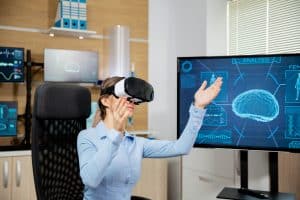
Augmented reality (AR) and virtual reality (VR) transform how we interact in virtual meetings. AR can enhance presentations, making them more interactive and engaging. For example, presenters can use AR to display 3D models or infographics, allowing participants to interact with the data in real time.

Conversely, VR can create fully immersive virtual meeting environments with avatars, virtual whiteboards, and interactive objects. This technology can be especially useful for remote teams collaborating on complex projects or large-scale virtual events.

Improvements in Audio and Video Quality

Audio and video quality are crucial for virtual meetings to be successful. Poor-quality audio or video can lead to misunderstandings, frustration, and disengagement. However, recent technological advancements have significantly improved virtual meeting quality.

For example, high-definition video and surround-sound audio can make participants feel like they’re in the same room, even if they’re on opposite sides of the world. Noise-cancelling technology can also help eliminate background noise and distractions, making it easier to focus on the meeting.

Development of More Collaborative Virtual Meeting Spaces

Virtual meeting spaces are evolving beyond traditional video conferencing platforms. Newer virtual meeting software allows participants to collaborate in real-time, share files, and work on projects together, even in different locations.

For example, some virtual meeting platforms allow users to create virtual rooms to work on projects together in a virtual space. Participants can upload documents, share ideas, and even move objects around the room, creating a truly collaborative experience.

Impact of virtual meeting technology on businesses and individuals

Virtual meeting technology has transformed how businesses operate, providing a new level of connectivity and efficiency. Video conferencing, remote collaboration and online meetings are now possible from anywhere worldwide. Virtual event platforms and web conferencing allow businesses to host large-scale events without geographical limitations. With virtual meeting software, online video meetings are now more accessible and convenient.

For small businesses, affordable virtual meeting software is a game-changer, enabling remote teams to collaborate seamlessly. The best virtual meeting platforms for education allow students and teachers to engage in real time, regardless of location. Virtual meeting technology for healthcare providers allows for telemedicine and virtual consultations, providing easy access to medical care. Virtual meeting technology can benefit financial services, enabling secure online client meetings.

The impact of virtual meeting technology on remote work

Virtual meeting technology has significantly impacted remote work in recent years. With the rise of video conferencing and remote collaboration tools, teams can now work together from anywhere in the world, anytime. Online meetings, virtual event platforms, web conferencing, and virtual conference software are just some virtual meeting technology solutions that have made remote work possible.

Remote, sales, and project management teams have benefited from affordable virtual meeting software. Healthcare providers, financial services, and legal professionals have also found virtual meeting technology invaluable. Virtual meeting software with screen sharing is particularly useful for customer service and human resources.

Virtual meeting technology’s effect on social interactions

Virtual meeting technology has transformed how people interact in personal and professional settings. Virtual meetings, also known as video conferencing or online meetings, have become a popular alternative to traditional in-person meetings. Remote collaboration has become more seamless with virtual event platforms, web conferencing, and virtual conference software. Virtual meeting technology has enabled people to connect from anywhere worldwide, eliminating the need for travel and reducing costs. As virtual meeting technology continues to evolve, it will be interesting to see how it shapes the future of social interactions.

Ethics and social implications of virtual meeting technology

As with any technology, virtual meeting technology has ethical and social implications that must be considered.

Privacy and Security Concerns with Virtual Meeting Technology

Virtual meeting technology has raised concerns about privacy and security. With the rise of remote collaboration, video conferencing, and online meetings, there is an increased risk of data breaches, hacking, and cyber attacks. Organisations must ensure that their virtual meeting solutions are secure and comply with industry standards for data protection.

Moreover, there are concerns about collecting and using personal data by virtual meeting software providers. It is important to read and understand the privacy policies of these providers before using their services. Organisations must ensure their employees and stakeholders know the risks associated with virtual meeting technology and are trained in best practices for securing virtual meetings.

Impacts on Mental and Physical Health

While virtual meeting technology has made remote collaboration and communication more convenient, it can also negatively impact mental and physical health. Extended periods of sitting and staring at screens can lead to physical and eye strain, causing headaches, neck pain, and other musculoskeletal issues. Moreover, virtual meetings can be mentally exhausting, leading to fatigue, burnout, and reduced productivity.

Organisations must promote healthy virtual meeting habits, such as taking breaks, standing up and stretching, and using ergonomic equipment. They also need to encourage employees to maintain a work-life balance, set boundaries and prioritise their well-being.

Potential Negative Consequences of Over-reliance on Virtual Meeting Technology

Over-reliance on virtual meeting technology can have negative consequences. It can lead to a lack of face-to-face interaction, reduced social interaction, and decreased opportunities for networking and relationship building. It can also lead to losing creativity, innovation, and collaboration.

Organisations need to balance the benefits of virtual meeting technology with the need for face-to-face interaction and in-person collaboration. They must use virtual meeting technology to complement in-person meetings rather than replace them.

FAQs

Q. What is virtual meeting technology?

Virtual meeting technology refers to the tools and platforms that enable individuals and groups to hold meetings, presentations, or events virtually over the internet using audio, video, and chat functionalities.

Q. How does virtual meeting technology work?

Virtual meeting technology typically uses software, hardware, and internet connectivity to facilitate communication and collaboration between participants in a remote setting.

Q. What are the benefits of virtual meeting technology?

Virtual meeting technology allows for increased flexibility, cost savings, and reduced travel time while enabling real-time collaboration and participation from remote locations.

Q. What are the drawbacks of virtual meeting technology?

Technical issues, lack of nonverbal communication, and potential security concerns can pose challenges for virtual meetings. Participants may also need help with maintaining engagement and focus.

Q. What are the best virtual meeting platforms?

Popular virtual meeting platforms include Zoom, Microsoft Teams, and Google Meet.

Q. How do I choose the right virtual meeting software?

Consider the size of your meetings, necessary features, budget, and compatibility with existing technology when choosing virtual meeting software.

Q. What features should I look for in virtual meeting technology?

Essential features include audio and video conferencing, screen sharing, recording capabilities, and chat functionalities. Additional features may include breakout rooms, virtual backgrounds, and polling.

Q. How much does virtual meeting technology cost?

The cost of virtual meeting technology can vary depending on the platform and the required functional level. Many platforms offer a range of pricing options, from free basic plans to enterprise-level packages.

Q. Can virtual meeting technology be used for large events?

Yes, virtual meeting technology can host large events, such as conferences and webinars, with the ability to accommodate hundreds or thousands of participants.

Q. How do I ensure the security of virtual meeting technology?

Secure virtual meeting practices include using strong passwords, enabling waiting rooms and authentication measures, and restricting access to sensitive information.

Q. What equipment do I need for virtual meetings?

At a minimum, a computer or mobile device with a microphone, camera, and internet connection is required. Additional equipment may include headphones, external microphones, and webcams.

Q. What are the best practices for virtual meetings?

Best practices include setting clear agendas, testing technology in advance, encouraging participation, and providing clear instructions for accessing and using virtual meeting software.

Q. How can I improve the effectiveness of virtual meetings?

Strategies for improving virtual meeting effectiveness include maintaining engagement through interactive activities, reducing distractions, and using various communication methods.

Q. How has virtual meeting technology evolved?

Virtual meeting technology has evolved to incorporate more advanced features such as virtual backgrounds, real-time collaboration, and augmented reality.

Q. What are the future trends in virtual meeting technology?

The future of virtual meeting technology may incorporate more AI-powered features, improved virtual reality capabilities, and enhanced security measures.

Picture of Meeting Store

Meeting Store

Table of Contents

interactive-guide-lessons
Training and Education

Interactive Guide Lessons: Your Path to AV Mastery

In today’s fast-paced digital landscape, acquiring Audiovisual (AV) skills has become an imperative across various domains. To facilitate efficient skill development, the emergence of Interactive Guide Lessons has revolutionized AV education. In this article, we delve into the essence of interactive guide lessons, their role in AV education.Interactive guide lessons refer to dynamic learning modules that blend multimedia instruction, hands-on education, and engaging lessons to foster AV skill acquisition. These lessons employ technology-enabled interactivity, creating an immersive educational experience. Their significance lies in bridging the gap between theoretical knowledge and practical application, promoting effective AV mastery.AV skills have transcended traditional media and are now essential in fields ranging from filmmaking to corporate presentations. From educational modules to professional presentations, visual storytelling through AV learning resources is becoming indispensable. Learning pathways that offer step-by-step AV mastery lessons cater to beginners and experts alike, ensuring a gradual progression towards AV excellence.Create Interactive Lesson Plans | Back to School  Why Interactive Guide Lessons are Ideal for AV BeginnersLearning audiovisual (AV) skills can be a challenging endeavour for beginners due to the intricacies of multimedia instruction and the diverse AV skills required. To overcome these challenges effectively, interactive guide lessons emerge as a powerful solution. In this section, we delve into the reasons why interactive lessons are perfect for AV beginners, discussing their benefits, personalized nature, and engaging qualities.Challenges in AV Skill AcquisitionAV skills encompass a wide spectrum, from video editing to sound mixing and multimedia creation. Beginners often struggle with the complexity of these skills, as traditional learning pathways might not align with their learning style. Moreover, grasping the technical aspects of AV requires immersive education that goes beyond theoretical knowledge.The Power of Interactive LessonsInteractive education bridges the gap between theoretical understanding and practical application, making it an ideal choice for AV beginners. By incorporating multimedia instruction and hands-on education, interactive lessons address the specific challenges faced by newcomers in the AV world. These lessons offer step-by-step AV learning, guiding beginners through the intricacies of audiovisual learning.Personalized and Engaging LearningOne of the remarkable aspects of interactive guide lessons is their personalized nature. Educational modules tailored to individual needs ensure that beginners can progress at their own pace. Guided lessons allow for a user-friendly AV guide that caters to each student’s skill level. This technology-enabled approach ensures that beginners receive the necessary attention, fostering a deeper understanding of AV skills.Benefits of Immersive EducationImmersive interactive lessons immerse beginners in the world of AV through engaging lessons and media-enhanced learning. Visual storytelling and practical lessons help beginners grasp concepts quickly and effectively. Moreover, online interactive courseware provides comprehensive AV training online, enabling learners to access expert guidance from the comfort of their homes.Enhancing AV MasteryAV mastery demands more than just theoretical knowledge. Hands-on AV learning resources and practical AV tutorials are essential components of skill development. Interactive lessons for audiovisual skills foster a comprehensive understanding, allowing beginners to confidently navigate through the complexities of AV technology.Choosing the Right PlatformSelecting the best platforms for interactive learning is crucial. Platforms offering comprehensive AV training online with user-friendly interfaces ensure that beginners have a seamless learning experience. These platforms offer interactive curriculum and technology-enabled lessons that cater to the diverse needs of AV beginners.  Step-by-Step AV Learning: From Basics to MasteryAudiovisual learning has rapidly become an essential skill in today’s multimedia-driven world. To guide beginners on the journey from basics to mastery, interactive guide lessons offer a structured approach that facilitates skill development in AV. These lessons, rooted in the principles of interactive education and multimedia instruction, are designed to provide an immersive learning experience that caters to various learning styles. Let’s delve into the details of how this step-by-step learning process unfolds and the value it brings to learners.Learning Pathways for AV MasteryInteractive lessons serve as the cornerstone of AV skill acquisition. Online tutorials, guided learning modules, and practical lessons are strategically crafted to cater to learners at different levels of expertise. Beginners are introduced to foundational concepts through engaging lessons that employ visual storytelling and multimedia instruction. As learners progress, the complexity of topics increases, gradually transforming them into adept practitioners of audiovisual techniques.Guided AV Skill DevelopmentGuided by experts in the field, these interactive lessons offer personalized education that facilitates both cognitive and practical skill development. Interactive courseware integrates hands-on experiences, enabling learners to experiment and apply theoretical knowledge in real-world scenarios. This technology-enabled approach not only accelerates learning but also enhances retention, making it an effective methodology for AV mastery.Benefits of Visual Learning in AVVisual learning lies at the heart of interactive teaching for AV skills. Educational modules leverage media-enhanced learning, fostering a deeper understanding of intricate concepts. Visual cues, interactive training, and multimedia resources help learners grasp complex ideas quickly. Research indicates that visual learning accelerates information processing and aids long-term memory retention, making it an indispensable aspect of AV education.The Power of Interactive CurriculumThe journey from AV beginner to expert is navigated through a comprehensive interactive curriculum. This curriculum seamlessly integrates theoretical knowledge with hands-on education, ensuring that learners not only understand the concepts but also know how to apply them effectively. The curriculum is designed to cater to different learning paces, allowing each individual to progress at their optimal speed.AV Learning Resources for SuccessFor those embarking on their AV learning journey, a plethora of multimedia lessons and interactive training resources are available. These resources offer step-by-step guidance, catering to beginners’ needs while gradually elevating their skills to mastery levels. Whether it’s digital tutorials, interactive guide lessons, or multimedia instruction, learners have access to a diverse array of educational tools that ensure their success in the realm of audiovisual skills.  Hands-on and Practical AV TutorialsUnlocking the full potential of audiovisual learning requires more than just theoretical knowledge. It demands hands-on experience and practical application. This is where interactive guide lessons shine, enabling learners to grasp complex concepts through immersive education. With multimedia instruction at the forefront, these lessons emphasize the importance of interactive teaching methods, guiding learners along tailored educational modules and learning pathways. Let’s delve

Read More »
Mastery through AV
Training and Education

Attain Mastery Through AV Education

In today’s ever-evolving learning landscape, audiovisual (AV) education has emerged as a cornerstone of modern teaching methodologies. Mastery through AV is no longer an option but a necessity for educators and students alike. This transformative approach encompasses a wide array of multimedia learning techniques, harnessing the power of educational technology to enhance learning outcomes.Audiovisual education, at its core, leverages interactive teaching methods and a diverse set of visual aids. It equips educators with classroom AV tools and modern teaching resources that transcend traditional boundaries. The integration of digital learning and effective educational multimedia has revolutionized the way students engage with their subjects.Visual learning techniques have proven to be instrumental in capturing students’ attention and fostering deeper comprehension. Educational audiovisual content stimulates interactive student engagement, making learning an immersive experience. Innovative classroom technology empowers both teachers and students to explore AV skills, enhancing their mastery through AV.These advanced learning techniques extend beyond mere videos and presentations. They encompass interactive AV learning methods and multimedia education techniques, providing students with visual learning aids for an enriched educational journey. AV tools for effective teaching and best practices for educational multimedia further solidify the importance of audiovisual education.Unleash Ultimate Control: Mine S in Auditorium – AV Device Mastery  The Power of Interactive AV Learning MethodsInteractive AV learning methods, often referred to as multimedia education, have revolutionized the educational landscape. In today’s digital age, the amalgamation of audiovisual training and educational technology has paved the way for a more engaging and effective learning experience. By exploring the concept of interactive AV learning methods, we delve into a realm where students not only grasp subjects but master them through innovative teaching techniques.Engaging Students and Facilitating Deeper UnderstandingAt the heart of interactive AV learning methods lies the concept of mastery through AV education. These methods captivate students’ attention by integrating visual aids and classroom AV tools, fostering an environment where active participation becomes second nature. Through multimedia learning, students are not mere spectators but active participants, absorbing complex concepts with ease.Examples and Case Studies Showcasing EffectivenessCase Study 1: Multimedia Integration in EducationIn a recent study, classrooms implementing advanced audiovisual mastery techniques reported a significant increase in student engagement and understanding. By utilizing interactive multimedia lessons, teachers enhanced the learning process, ensuring students’ mastery through AV education.Case Study 2: Benefits of Visual Learning MethodsVisual learning aids for students, including educational videos and interactive AV educational content, were incorporated into the curriculum. The results were astounding – students exhibited improved retention rates and a deeper understanding of subjects. This reinforces the importance of AV techniques for student engagement.Enhancing Learning Through Audiovisual: Best PracticesTo achieve mastery through AV, educators must adopt best practices for educational multimedia. Implementing modern classroom AV techniques and AV tools for effective teaching is essential. Utilizing innovative classroom technology and interactive multimedia lessons, educators can create an immersive learning experience. Integrating multimedia education techniques ensures that students not only comprehend but also internalize complex subjects.  Multimedia Education TechniquesIn today’s rapidly evolving educational landscape, multimedia education techniques have emerged as a cornerstone of effective teaching. These techniques leverage audiovisual (AV) elements to enhance learning experiences, fostering a deeper understanding of complex concepts. Let’s delve into the significance of multimedia education techniques in modern classrooms and explore the various tools, resources, tips, and best practices for their implementation.Multimedia Learning and Educational TechnologyMultimedia learning, often referred to as AV education, integrates various forms of media, such as videos, images, audio recordings, and interactive content, into the teaching process. This approach caters to diverse learning styles, allowing students to engage with information in ways that suit them best. With educational technology evolving rapidly, multimedia techniques have become essential for effective teaching.Interactive Teaching Methods and Visual AidsMultimedia techniques empower educators to employ interactive teaching methods. These methods encourage active participation and engagement, enhancing students’ comprehension and retention of information. Visual aids, a crucial component of multimedia education, provide visual context and support complex ideas. Visual learning techniques are particularly valuable as they cater to students who grasp concepts better through visual cues.Classroom AV Tools and Modern Teaching ResourcesToday’s educators have access to a wealth of classroom AV tools and modern teaching resources. These tools encompass projectors, interactive whiteboards, tablets, and multimedia software. They enable teachers to create dynamic lessons that captivate students’ attention and foster deeper understanding. Incorporating digital learning resources enhances the overall classroom experience.Effective Educational MultimediaTo achieve mastery through AV education, it’s imperative to use multimedia effectively. Here are some best practices: Engage Early: Capture students’ attention with a captivating introduction using multimedia elements. Start the lesson with an intriguing video or interactive activity. Clear Objectives: Clearly outline the learning objectives and how multimedia elements tie into them. This ensures that students understand the purpose of AV content. Interactivity: Encourage student participation by integrating quizzes, discussions, and interactive activities into multimedia lessons. This promotes active learning and engagement. Varied Content: Utilize a mix of multimedia resources, such as videos, infographics, and simulations, to cater to different learning preferences. Accessibility: Ensure that all multimedia content is accessible to students with disabilities, complying with inclusive education principles. Innovative Classroom Technology and Visual MasteryInnovative classroom technology continues to evolve, providing educators with new ways to enhance the learning experience. By mastering AV skills and utilizing cutting-edge AV tools, teachers can create an immersive educational environment that fosters visual mastery and comprehensive understanding.Implementing Multimedia EducationImplementing multimedia education techniques requires careful planning and consideration of students’ needs and abilities. Teachers should seek training and professional development opportunities to enhance their AV teaching methods. Integrating multimedia resources into the curriculum can be a transformative experience for both educators and students.  Advanced Audiovisual MasteryIn the realm of modern education, mastery through AV (Audiovisual) stands as a beacon of innovation and progress. Schools and institutions that have embraced advanced audiovisual techniques have unlocked a world of possibilities, revolutionizing the learning process and enhancing student engagement. In this discussion, we delve into the advanced aspects of audiovisual education, highlighting the profound benefits of incorporating advanced AV technologies in the learning

Read More »
AV technology insights
Training and Education

Unlocking AV Technology Insights: Stay Ahead of the Curve

In today’s fast-paced digital world, Audiovisual (AV) technology has become an indispensable part of our lives. From enhancing workplace collaboration to revolutionizing remote work solutions, AV technology has made significant strides, and staying updated with its rapid advancements is crucial. In this blog, we’ll delve into the latest AV technology trends for 2023, providing you with valuable insights into the AV industry’s future.The AV industry is experiencing a seismic shift, with audiovisual innovations at the forefront. One of the most notable trends is the evolution of video conferencing solutions. With the rise of remote work, businesses are adopting cutting-edge AV tech to facilitate seamless communication and collaboration. These innovations are not just limited to the corporate world but extend to healthcare technology, education technology, and even live events technology.Immersive audio is another game-changer in AV technology. It creates a captivating auditory experience, making virtual meetings and events feel incredibly lifelike. This trend aligns perfectly with the demand for smart meeting rooms, where AV integration plays a pivotal role. Interactive displays and next-gen AV solutions are transforming traditional meeting spaces into tech-savvy hubs, enhancing workplace collaboration and productivity.The influence of AV technology extends across diverse sectors. In healthcare technology, AV solutions are used for telemedicine and enhancing patient care. In education technology, interactive displays and AV technology development are revolutionizing the way students learn. Even the entertainment industry is embracing immersive AV tech for gaming and entertainment purposes.Sustainability is a key consideration in the AV technology landscape. Sustainable technology options are gaining traction as businesses seek eco-friendly AV equipment and practices. Future-proofing your AV technology stack is also paramount. Keeping an eye on AV technology updates and staying ahead of emerging AV trends will ensure that your investments remain relevant for years to come.Investing in AV technology requires careful planning. Businesses, especially small ones, must choose the right AV equipment and implement AV integration best practices to maximize ROI. This involves aligning AV tech strategies with specific industry needs and goals, whether it’s for virtual meetings, education, or healthcare.Tech Insight – AV-HS600 Live Switcher  The Evolution of AV TechnologyIn the fast-paced world of AV technology, staying ahead of the curve is essential. This section delves into the historical development of AV technology, highlighting key milestones and innovations that have shaped the AV landscape. AV Technology: A Brief OverviewAV technology, short for audio-visual technology, is a dynamic field that combines audio and visual elements to create a seamless user experience. From its inception to the present day, AV technology has undergone remarkable transformations.The Early Days: A Glimpse into AV Technology’s RootsThe roots of AV technology can be traced back to the late 19th century when inventors like Thomas Edison and Émile Reynaud experimented with motion pictures and photographs. These early innovations laid the groundwork for the audiovisual innovations we rely on today.Key Milestones in AV Technology Introduction of Sound in Film (1920s): The integration of sound into motion pictures marked a significant milestone. This breakthrough revolutionized the entertainment industry, giving birth to the talkies. Color Television (the 1950s): The advent of colour television transformed home entertainment, making it more immersive and engaging. Videotape Recorders (the 1950s-60s): The development of VCRs enabled users to record and play back audiovisual content, altering the way we consume media. The Rise of Video Conferencing (1980s): Video conferencing solutions revolutionized business communication, allowing remote collaboration and reducing travel expenses. Immersive Audio (1990s): Innovations in audio technology brought immersive sound experiences to cinemas, gaming, and home entertainment. AV Technology Across IndustriesAV technology has seamlessly integrated into various industries, driving progress and innovation. Education Technology: Interactive displays and cutting-edge AV tech have transformed classrooms, making learning more engaging and effective. Audiovisual solutions enhance students’ understanding and participation, aligning with AV technology trends in education. Healthcare Technology: AV technology has a vital role in healthcare, from telemedicine and surgical simulations to patient education and remote diagnostics. These advancements improve patient care and accessibility to medical expertise. Live Events Technology: The live events industry relies heavily on AV technology for stage setups, lighting, sound, and projection. AV tech has elevated live entertainment experiences, enhancing audience engagement. Smart Home Technology: In smart homes, AV tech blends seamlessly with automation systems, providing homeowners with immersive entertainment and control over their environment. Small Business Technology: AV integration in small businesses streamlines operations, facilitating effective communication, presentations, and customer interactions. AV Technology Trends 2023As we look ahead to 2023, several AV technology trends are shaping the industry: Next-gen AV Solutions: The industry continues to evolve, with cutting-edge AV tech pushing boundaries. Sustainable AV Technology Solutions: Sustainability is a growing concern, leading to eco-friendly AV solutions. AV Technology for Remote Work: Remote work solutions are becoming increasingly critical for modern businesses. AV Integration Best Practices: Ensuring seamless integration is crucial for maximizing AV technology ROI.   Unlocking the Potential of Audiovisual TechIn today’s rapidly evolving digital landscape, Audiovisual (AV) technology has emerged as a driving force, reshaping the way businesses and individuals connect, collaborate, and innovate. This section delves into the concept of unlocking the potential of AV technology, explaining how it can be harnessed for various purposes and providing real-life examples of successful AV technology implementations.Unlocking the Power of AV Technology InsightsAV technology, encompassing audiovisual innovations and cutting-edge AV tech, has become an integral part of our daily lives. From the corporate boardroom to the living room, AV technology has found applications across a diverse spectrum of industries. Let’s explore how businesses and individuals can harness the power of AV tech: Business Applications Video Conferencing Solutions: The AV industry has witnessed a revolution in video conferencing technology. Businesses now rely on immersive audio and high-definition video to conduct virtual meetings, making remote collaboration seamless. This technology has become essential in the era of remote work solutions.Smart Meeting Rooms: AV integration within smart meeting rooms enhances workplace collaboration. Interactive displays, equipped with AV technology advancements, enable dynamic presentations and efficient information sharing. Companies can optimize their AV technology stack to improve productivity and streamline operations.Emerging AV Trends: Staying

Read More »
Achieve presentation success with AV technology
productivity

Sprint to Success: Achieve Presentation Success with AV Technology

In today’s fast-paced professional landscape, the ability to deliver effective presentations is crucial for success. Whether in business, education, or personal pursuits, presentations serve as a powerful tool for conveying information, influencing decisions, and captivating audiences. As the world becomes more technologically advanced, the integration of Audiovisual (AV) technology has emerged as a game-changer in achieving presentation success. This article delves into the role of AV technology in enhancing presentations, providing actionable tips, strategies, and insights to help speakers confidently deliver impactful talks.AV technology has revolutionized the way presentations are delivered. Leveraging advanced AV tools, presenters can captivate their audiences through dynamic visuals, clear audio, and interactive elements. Successful public speaking with AV support demands a seamless integration of technology solutions that enhance communication and engagement.Mastering presentations with AV involves a blend of meticulous planning and leveraging the right presentation equipment. To achieve successful presentations, presenters need to choose the best AV technology for presentations that align with their message and audience. This calls for a deep understanding of AV equipment dos and don’ts, ensuring the technology complements rather than distracts from the content.Achieving presentation success with AV technology entails choosing the right tools that fit the context and objectives. AV gear for confident presentations goes beyond aesthetics, prioritizing functionality, reliability, and compatibility. Tips for using AV in presentations emphasize the need for seamless integration and technical preparedness, enabling presenters to focus on their message.Portable Video Conferencing Solution | BenQ Smart Projector E600 & E800ST Series  The Power of AV Technology in PresentationsIn the fast-paced world of presentations, the integration of AV technology has revolutionized the way we communicate, capturing audience attention and enhancing the impact of our messages. The synergy between AV technology and presentation success has paved the way for effective communication, enabling presenters to deliver confident speeches that resonate with their audience. By harnessing the capabilities of audiovisual tools, mastering presentations with AV becomes a reality, resulting in impactful talks that leave a lasting impression.Maximizing Productivity with AV EquipmentThe cornerstone of achieving presentation success with AV technology lies in the artful selection and setup of AV equipment. A carefully chosen AV setup can significantly elevate the delivery of your message. To guide you on this journey, here are essential AV tech tips and effective presentation strategies that will help you make the most of your AV equipment for presentations: AV Equipment Setup Guide: Your AV presentation setup is pivotal. From display screens to microphones and projectors, the arrangement and calibration of these tools play a vital role in ensuring your message is conveyed seamlessly. Refer to our comprehensive AV equipment setup guide for step-by-step instructions. Mastering Public Speaking with AV Tools: Public speaking is an art, and AV tools are your paintbrush. Learn how to use audiovisual technology to captivate your audience, control the pace of your speech, and emphasize key points effectively. Master the art of public speaking with AV tools through advanced presentation techniques. Choosing the Right AV Equipment: The market offers a plethora of AV solutions for presentations, each with its unique features. Discover the best AV technology for presentations by understanding the specifications that align with your communication style and venue requirements. AV Integration for Successful Talks: Seamless AV integration in presentations is the hallmark of a professional setup. Learn the dos and don’ts of AV integration to ensure your audience is engaged throughout your presentation. Enhancing Presentations with TechnologyThe symbiotic relationship between AV technology and presentation enhancement cannot be overstated. As you embark on your journey to create confident speeches and impactful talks, here’s how AV technology aids you: AV Presentation Skills: Delve into the art of using technology in speeches to enhance your delivery. With the right AV gear, your presentations will shine, and your message will resonate more effectively. AV Support for Engaging Talks: Behind every great speaker is a reliable AV support system. Discover the top AV tools for presenters that will help you maintain control over your technology while keeping your audience engaged. Enhancing Speeches using Audiovisual Technology: Elevate your presentations by incorporating audiovisual technology tips. Explore AV enhancement in speeches that add depth and vibrancy to your message. Using Technology for Better PresentationsThe impact of AV technology on presentations is undeniable. From public speaking with AV support to choosing the right AV equipment, the significance of AV integration in presentations cannot be overstated. Here are some related search terms to further enhance your knowledge: Tips for Successful AV Presentations: Master the art of using AV technology in presentations with these insightful tips. Enhance your communication skills and leave a lasting impression on your audience. AV Solutions for Successful Talks: Explore the various AV solutions that can transform your talks into powerful experiences. From AV gear for confident presentations to AV systems for better communication, these solutions are your key to success. Enhancing Presentations with AV Equipment: Dive deep into the world of AV integration as you learn how to enhance your presentations with technology. Discover AV presentation setup hacks that will amplify your message.   Best AV Technology for PresentationsIn today’s fast-paced world, achieving presentation success requires more than just compelling content and confident delivery. Audiovisual (AV) technology has revolutionized the way presentations are conducted, enhancing the impact of speeches and talks. Mastering the use of AV equipment can lead to confident speeches, effective communication, and impactful talks that leave a lasting impression.Maximizing Productivity with AV EquipmentUtilizing AV technology is crucial for maximizing productivity during presentations. With the right AV integration, presenters can seamlessly incorporate multimedia elements, visual aids, and interactive content. This not only captures the audience’s attention but also enhances the overall message delivery. By incorporating advanced presentation techniques, such as AV aids for public speaking and AV technology in speeches, presenters can create engaging and memorable presentations.Choosing the Right AV EquipmentWhen it comes to choosing the best AV technology for presentations, a careful selection of equipment is vital. Let’s explore some top AV technologies that contribute to achieving presentation success: Projectors and Screens: High-quality projectors

Read More »
Innovative AV strategies
Training and Education

Unveil Innovative AV Strategies: Expert Insights

Innovative AV strategies have become integral to the modern business landscape, transforming the way organizations communicate and collaborate. As businesses evolve, the growing importance of audiovisual (AV) technologies cannot be overstated. Leveraging cutting-edge AV strategies is not merely a trend; it is a necessity for those aiming to stay ahead in a competitive market.In today’s dynamic corporate environment, staying connected is paramount. Audiovisual technology trends, encompassing multimedia presentations and AV integration, play a pivotal role in fostering effective communication and collaboration. Businesses are swiftly adopting smart collaboration tools, futuristic conference rooms, and presentation tools to create tech-forward presentations that resonate with contemporary audiences.Smart collaboration tools for meetings are at the forefront of innovative AV solutions. These tools, coupled with futuristic conference room technology, redefine the traditional meeting experience. Companies are increasingly investing in advanced audiovisual integration solutions to create immersive presentation environments. These setups not only enhance communication but also contribute to the overall efficiency of business operations.The integration of AI-driven AV and interactive presentation techniques marks a revolutionary shift in the realm of visual communication. The use of AI in audiovisual integration brings forth next-gen communication technology, paving the way for experiential audiovisual presentations. The strategic deployment of innovative conferencing technology ensures that businesses stay at the forefront of emerging AV trends.Shaping the Future Workplace: Developing Your Tailored AV Strategy  Effective AV Communication ToolsIn the fast-evolving landscape of modern business, effective communication is the linchpin of success. As businesses embrace digital transformation, the role of audiovisual (AV) communication tools becomes increasingly pivotal. Leveraging innovative AV strategies is not just a choice; it’s a necessity to stay competitive and foster seamless collaboration. Let’s delve into the significance of communication tools and explore advanced AV solutions that enhance organizational communication.Communication Tools in the Modern Business LandscapeIn today’s dynamic business environment, communication tools are the cornerstone of efficient operations. Businesses rely on multimedia presentations, AV integration, and smart collaboration to convey ideas and strategies effectively. Visual communication has become indispensable, and futuristic conference rooms equipped with cutting-edge presentation tools are the new norm. The integration of AI-driven AV technology has further elevated business communication solutions, making interactions more intuitive and engaging.Innovative AV Strategies for Enhanced CommunicationEmbracing tech-forward presentations and innovative meeting room setups is crucial for staying ahead. Interactive presentation techniques, coupled with cutting-edge multimedia, create experiential AV experiences that captivate audiences. Businesses now leverage advanced collaboration tools to ensure seamless communication and foster creativity.Emerging Trends in Audiovisual Technology Trend Description AI-Driven AV Integration of artificial intelligence for smarter and intuitive AV. Smart Collaboration Tools designed to enhance teamwork and communication efficiency. Futuristic Conference Rooms Designing meeting spaces with cutting-edge AV technology. Visual Communication Importance of conveying messages through visual elements. Presentation Tools Tools facilitating effective and engaging presentations. Advanced AV Solutions Shaping the FutureIn the realm of audiovisual technology, trends are shaping the future of communication. Creative multimedia solutions and next-gen AV solutions are paving the way for revolutionary tech presentations. Innovative conferencing technology and interactive presentation tools redefine the way businesses communicate internally and externally.Key Elements of Cutting-Edge AV Strategies Element Description Innovative Meeting Room Solutions Implementing tech setups that enhance collaboration and productivity. AI-Enhanced Audiovisual Experiences Integration of artificial intelligence for immersive AV experiences. Strategic AV Deployment Planning and implementing AV solutions strategically for maximum impact. Progressive Multimedia Solutions Utilizing modern techniques for creating engaging multimedia content.   Innovative AV Setup for BusinessesIn today’s dynamic business landscape, staying ahead requires embracing the latest Audiovisual (AV) technology trends. The implementation of Innovative AV strategies is pivotal for optimizing AV infrastructure, enhancing productivity, and fostering efficient communication within a corporate setting.Audiovisual Technology and Smart CollaborationBusinesses can leverage cutting-edge AV strategies to create futuristic conference rooms equipped with advanced visual communication tools. By integrating AI-driven AV solutions and smart collaboration tools, companies can facilitate seamless communication and elevate the overall presentation experience. This approach aligns with the latest trends in audiovisual communication, ensuring a tech-forward environment that resonates with the needs of modern businesses.Multimedia Presentations and Experiential AV ExperiencesTo capture the audience’s attention, businesses should explore creative multimedia solutions and experiential AV experiences. Incorporating interactive presentation techniques and presentation tools into meetings enhances engagement and leaves a lasting impression. The future of conference room technology lies in immersive presentation technologies, creating a high-tech environment that promotes effective AV communication.AV Integration Innovations and Revolutionary Tech PresentationsIn the realm of AV integration, businesses can benefit from strategic AV deployment. This involves implementing innovative meeting room setups with revolutionary presentation technology. By embracing advanced audiovisual integration solutions, companies pave the way for high-tech conference room setups that support effective communication and collaboration.Strategic AV Deployment and AI-Enhanced Audiovisual ExperiencesStrategic AV deployment involves considering the latest trends in audiovisual communication and AI-driven audiovisual advancements. Businesses can enhance communication by implementing AI-enhanced audiovisual experiences, ensuring that their AV setup aligns with progressive multimedia solutions. This approach not only meets the criteria of innovative AV solutions but also contributes to the overall success of corporate events.Choosing the Right Multimedia Solutions and Future-Proofing AV TechnologyWhen considering multimedia solutions, businesses must focus on choosing the right tools that align with their communication goals. This includes selecting smart collaboration tools for meetings and incorporating next-gen communication technology. Future-proofing AV technology involves keeping an eye on emerging AV trends and ensuring that the chosen solutions are in line with the business’s long-term goals.  Creative Multimedia Presentation IdeasInnovative AV strategies are the cornerstone of captivating multimedia presentations that leave a lasting impression. From cutting-edge audiovisual technology to futuristic conference room setups, businesses today are leveraging advanced tools to enhance visual communication and create tech-forward presentations. In this exploration, we’ll delve into creative multimedia presentation ideas that incorporate innovative AV solutions, addressing the searcher’s intent and providing immediate value.AV Integration and Futuristic Conference RoomsOne of the key trends shaping the landscape of multimedia presentations is the seamless integration of audiovisual technology. Businesses are embracing innovative AV solutions to create futuristic conference rooms that go beyond traditional setups. Smart collaboration, a critical aspect of modern business communication solutions,

Read More »
best collaboration tools for remote teams
Remote Collaboration

Maximize Your Team’s Success with the Best Collaboration Tools for Remote Teams

Remote work has witnessed a significant surge in recent years, revolutionizing the way teams collaborate and operate. This growing trend of remote work has necessitated the adoption of effective collaboration tools to ensure seamless communication, maximize productivity, and enhance project management. In this article, we will explore the importance of using the best collaboration tools for remote teams and how they contribute to the success of distributed work environments.Remote collaboration has become a game-changer for modern teams, enabling individuals to work together regardless of their physical location. With remote work, teams can tap into global talent pools, achieving diversity and expertise that traditional office settings may lack. By leveraging the power of collaboration tools, remote teams can overcome geographical barriers, foster effective communication, and streamline their workflows.To maximize productivity in remote work scenarios, utilizing the best collaboration tools for remote teams is crucial. These tools empower teams to collaborate seamlessly, enabling real-time communication, task management, and file sharing. By leveraging these tools, teams can stay organized, work efficiently, and deliver outstanding results.Effective task management is essential for remote teams to stay on track. Collaboration tools such as project management software and task management apps offer features like task assignment, progress tracking, and deadline reminders. These tools help distribute work evenly, promote accountability, and ensure timely completion of projects.TOP REMOTE TEAM TOOLS FOR COLLABORATION AND PRODUCTIVITY  Collaboration Tools for Remote Teams with Document SharingDocument sharing plays a vital role in facilitating seamless collaboration among remote teams. In a remote work environment, effective communication, efficient project management, and streamlined workflow are crucial for the success of distributed teams. Document sharing not only enhances team collaboration but also maximizes productivity and ensures the smooth progress of projects.When remote teams have access to collaboration tools with robust document sharing capabilities, they can easily share files, work on them simultaneously, and track changes in real-time. This promotes efficient collaboration and eliminates the challenges of version control and the hassle of constantly emailing or transferring files. By enabling remote team members to collaborate on documents seamlessly, organizations can foster a sense of unity and collective progress, regardless of geographical boundaries.Best Collaboration Tools for Remote Teams Google Workspace: Key Features: Google Workspace offers a suite of productivity apps, including Google Docs, Sheets, and Slides, which allow real-time document collaboration and editing. It also provides seamless integration with other Google tools such as Google Drive and Google Meet for file storage and video conferencing. Benefits: Google Workspace ensures easy document sharing, simultaneous editing, and centralized storage. It enhances remote team communication and enables efficient project management with shared calendars and task assignment features. User Experience: Users appreciate the simplicity and user-friendly interface of Google Workspace, enabling smooth collaboration and streamlined workflows for remote teams. Microsoft 365: Key Features: Microsoft 365 offers tools like Microsoft Word, Excel, and PowerPoint for document collaboration. It provides cloud storage through OneDrive and integrates with Microsoft Teams for communication and project management. Benefits: With Microsoft 365, remote teams can collaborate on documents in real-time, co-author files, and access them from anywhere. The integration with Microsoft Teams allows seamless communication, video conferencing, and task management. User Experience: Users value the familiar Microsoft Office interface and appreciate the robust collaboration features offered by Microsoft 365. The comprehensive suite of tools simplifies remote team collaboration and enhances productivity. Slack: Key Features: Slack is a messaging and collaboration platform that offers document sharing and integration with various productivity apps. It allows teams to create channels for specific projects, share files, and communicate in real-time. Benefits: Slack facilitates efficient communication and document sharing, promoting collaboration among remote teams. It integrates with popular productivity apps, such as Google Drive and Dropbox, for seamless file sharing and collaboration. User Experience: Users find Slack intuitive and appreciate its organized workspace, quick search functionality, and the ability to integrate with other tools. The platform enhances remote team collaboration by providing a centralized hub for communication and file sharing. Trello: Key Features: Trello is a visual project management tool that enables remote teams to organize tasks, create workflows, and share documents. It offers boards, lists, and cards to track project progress and assign tasks. Benefits: Trello enhances remote team collaboration by providing a visual representation of projects and tasks. It allows document sharing within cards, providing context and clarity for team members. User Experience: Users find Trello easy to use and appreciate its visual interface for managing projects and tasks. The intuitive drag-and-drop functionality and seamless collaboration features make it a popular choice for remote teams.   Easy-to-Use Collaboration Tools for Virtual TeamsIn today’s fast-paced work environment, remote teams are becoming increasingly common. To ensure the success of these distributed teams, it is crucial to equip them with the best collaboration tools for remote teams. These tools not only simplify remote collaboration but also minimize learning curves and maximize productivity. In this section, we will explore a selection of collaboration tools known for their intuitive interfaces and ease of use, providing valuable insights into how they simplify collaboration for remote teams.Project Management ToolsEfficient project management lies at the core of successful remote team collaboration. The following project management tools excel in providing seamless communication, task management, and organization: Trello: Trello offers a user-friendly interface that allows remote teams to manage projects with ease. Its intuitive Kanban-style boards enable teams to visualize workflows, assign tasks, and track progress effortlessly. Asana: Asana is a comprehensive project management solution that promotes team collaboration and accountability. Its easy-to-use interface facilitates seamless task assignment, prioritization, and tracking, ensuring efficient remote work collaboration. Communication and Messaging AppsEffective communication is vital for remote teams to stay connected and work cohesively. The following communication and messaging apps enhance remote team collaboration: Slack: Slack is a popular messaging app that enables real-time communication, file sharing, and team collaboration. Its intuitive interface and robust features foster seamless communication and keep remote teams connected. Microsoft Teams: Microsoft Teams offers a unified platform for remote team communication, file sharing, and video conferencing. Its user-friendly interface, coupled

Read More »
MeetingStore.co.uk
Logo
Compare items
  • Total (0)
Compare
0
Shopping cart