In today’s fast-paced digital landscape, the seamless integration of AV technology has become an indispensable component across various sectors. This blog will delve into the significance of AV technology integration, exploring its relevance in different industries.
AV technology integration involves the harmonious convergence of AV equipment, audiovisual technology, and integration services to create multimedia solutions that empower businesses and organizations. Whether it’s for smart technology implementation, conference room setup, home automation, or digital signage, AV technology integration serves as the cornerstone for enhancing user experiences.
Smart technology adoption is on the rise, transforming the way businesses operate. AV integration companies are at the forefront of implementing AV control systems and seamless AV solutions. This trend is vital for optimizing operational efficiency and staying competitive.
AV technology in education facilitates interactive learning experiences. Incorporating AV integration solutions enhances classrooms, making learning more engaging and effective. We’ll explore the best practices for AV technology integration in educational settings.
Seamless AV technology integration requires meticulous planning and coordination across various components, such as audiovisual equipment, control systems, and network infrastructure. Experts emphasize the importance of selecting compatible and scalable technologies, ensuring proper cabling and signal routing, and employing user-friendly control interfaces. This integration enhances communication and productivity while minimizing downtime, making it essential for modern workplaces and entertainment environments.
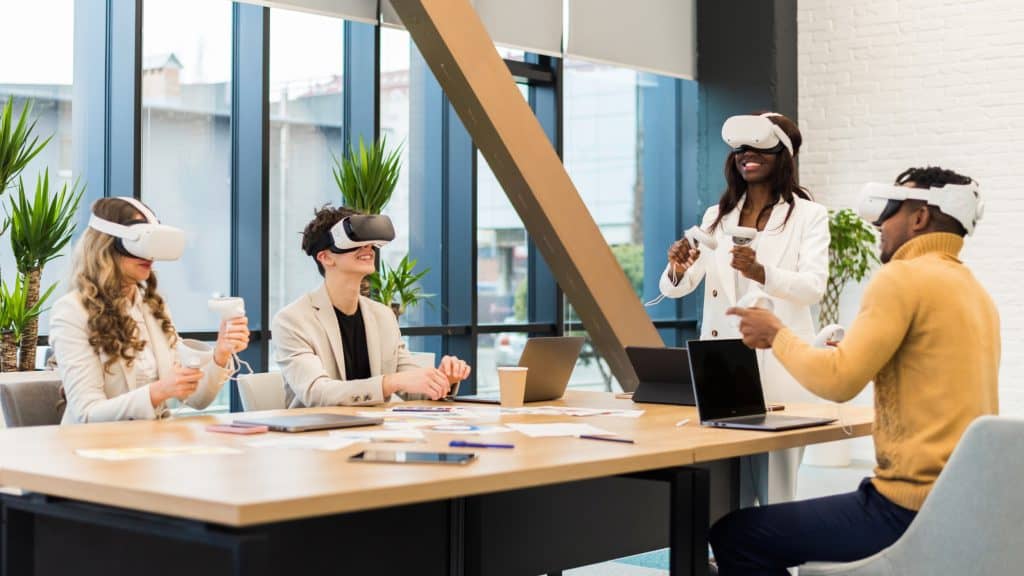
Design, integration and full installation of AV systems in a corporate building
Benefits of Seamless AV Integration
In today’s digital age, seamless AV technology integration has become crucial for businesses and individuals alike. This integration involves the incorporation of AV equipment, audiovisual technology, and integration services into various environments, such as conference rooms, homes, and commercial spaces.
Enhanced Productivity with AV Technology Integration
One of the key benefits of AV technology integration is the significant enhancement of productivity. In the corporate world, efficient communication is vital, and this is where integrated AV systems shine. Businesses can optimize their operations by seamlessly connecting employees, clients, and partners through conference room setups equipped with state-of-the-art AV equipment.
Improved User Experience
User experience (UX) is a critical factor in any AV technology integration project. The goal is to create a user-friendly environment where individuals can interact effortlessly with audiovisual technology. Integrating smart technology and multimedia solutions ensures that users can control and customize their AV systems with ease, resulting in a more enjoyable and efficient experience.
Cost-Effective Solutions for Small Businesses
For small businesses, cost-effective AV integration solutions are a game-changer. Leveraging integrated technology allows these businesses to compete on a level playing field with larger enterprises. By implementing AV equipment and integration services strategically, small businesses can enhance their operations and communication without breaking the bank.
Immersive Experiences
Seamless AV integration goes beyond standard setups. It can create immersive experiences that captivate audiences. Whether it’s in education, healthcare, or events, AV technology integration can transform spaces into immersive environments. Audiovisual tech can be used to educate, entertain, and engage, enhancing the overall experience.
Best Practices for AV Technology Integration
When it comes to AV technology integration, following best practices is essential to ensure seamless operation and optimal user experience. In this guide, we’ll explore key strategies and recommendations to help you achieve success in integrating AV equipment, audiovisual technology, and multimedia solutions into various settings, such as conference rooms, home automation, and digital signage. Let’s dive straight into the valuable insights you need.
Choose the Right AV Equipment for Integration
AV technology integration begins with selecting the appropriate equipment. Consider factors like the purpose of the integration, budget constraints, and future scalability. Ensure that your chosen AV equipment aligns with your specific needs, whether it’s for smart technology in a conference room or immersive experiences in a home theatre setup. This decision sets the foundation for a successful integration process.
Plan Your AV Integration Carefully
Effective planning is crucial for seamless AV integration. Develop a detailed AV design that takes into account the layout, user requirements, and technology trends. Consider consulting with an AV consultant or specialist for expert guidance. A well-thought-out plan ensures that AV systems work harmoniously together, providing a superior user experience.
Prioritize User Experience
User experience should be at the forefront of your AV technology integration efforts. Make sure that the integrated technology is user-friendly and intuitive. Training on audiovisual tech might be necessary, particularly for complex AV control systems. A user-friendly setup reduces troubleshooting and enhances overall satisfaction.
Embrace Smart Technology Integration
The integration of smart technology enhances the functionality of AV systems. Implement features like voice control, automation, and remote management for added convenience. This approach is especially beneficial for home automation setups and conference room AV, where efficiency is paramount.
Consider Cost-Effective Solutions
Cost-effectiveness is a significant concern for small businesses and organizations. Look for cost-effective AV integration solutions that offer the desired functionality without breaking the budget. Evaluate options such as open-source software and affordable AV equipment to optimize your investment.
Stay Updated on AV Technology Trends
AV technology is constantly evolving. Stay informed about the latest AV technology trends to ensure that your integration remains current and future-proof. Regularly update your AV equipment and systems to take advantage of the latest advancements.
Troubleshoot AV Integration Issues Proactively
Even with meticulous planning, occasional issues may arise. Develop troubleshooting protocols and provide training for quick issue resolution. Having a proactive approach to problem-solving minimizes downtime and frustration.
Explore Future Trends in Audiovisual Integration
Look ahead to future trends in audiovisual integration. As immersive experiences become more prevalent, consider how you can incorporate them into your AV systems. Keep an eye on emerging technologies like augmented reality and virtual reality for potential integration opportunities.
Choosing the Right AV Equipment
In today’s fast-paced world, the seamless integration of AV technology into various environments, whether it be a conference room setup, a home automation system, or digital signage solutions, is paramount. Businesses and individuals alike seek to harness the power of audiovisual technology to enhance user experiences, improve communication, and stay on the cutting edge of technology trends. This guide explores the key factors to consider when selecting the appropriate AV equipment for integration projects.
Compatibility and Scalability
One of the foremost considerations when choosing AV equipment for integration is compatibility. AV technology integration requires components that can seamlessly work together to deliver a cohesive user experience. It’s crucial to ensure that your chosen AV equipment, whether it’s AV systems, audiovisual integration solutions, or AV control systems, is compatible with your existing infrastructure.
Scalability is another vital aspect. As technology evolves, you want your AV setup to grow with your needs. Whether you’re a small business or a large corporation, selecting AV equipment that can be easily expanded or upgraded is cost-effective in the long run.
Budget-Friendly Solutions
Cost-effective solutions are always a priority, especially for small businesses. While it’s tempting to go for the latest and most expensive AV technology, it’s essential to strike a balance between quality and budget. Careful consideration of your financial constraints will help you make informed decisions and ensure a successful AV integration.
User Experience and Immersive Experiences
The ultimate goal of AV technology integration is to enhance the user experience. Whether you’re setting up AV technology in a conference room, classroom, or healthcare facility, the user experience should be at the forefront of your mind. AV design plays a crucial role in creating immersive experiences that captivate and engage users.
Troubleshooting and Management
No AV integration project is without its challenges. It’s essential to have a plan in place for troubleshooting AV integration issues that may arise. Consider AV integration specialist services or having an in-house AV consultant who can provide expert guidance.
AV Technology Management and Troubleshooting
Managing AV technology systems effectively is crucial for businesses and organizations that rely on audiovisual equipment for various purposes. In this section, we will provide valuable insights into AV technology management and troubleshooting.
AV Technology Integration for Seamless Experiences
One of the key aspects of AV technology management is seamless integration. To achieve this, businesses often invest in AV equipment, audiovisual technology, and integration services. These components work together to create multimedia solutions that enhance user experiences. Here are some best practices for AV technology integration:
Choosing the Right AV Equipment for Integration: Selecting the appropriate AV equipment is essential. Consider the specific needs of your business, whether it’s conference room setup, home automation, or digital signage. Investing in smart technology ensures compatibility and future-proofing.
AV Integration Services: Collaborating with AV integration companies or specialists is a smart move. They can assist in AV installation, ensuring that integrated technology works seamlessly.
AV Control Systems: Implementing efficient AV control systems simplifies operation, making it user-friendly for both employees and clients. This enhances user experience, a critical aspect of successful AV technology management.
AV Design: AV design should focus on immersive experiences, aligning with future trends in audiovisual integration. A well-designed system enhances engagement and communication.
Troubleshooting AV Integration Issues
Despite careful planning, issues may arise with AV technology integration. It’s vital to have troubleshooting strategies in place to minimize downtime and disruptions. Here are some common troubleshooting issues and solutions:
AV Connectivity Problems: Sometimes, AV systems may not connect correctly. Ensure all cables are securely connected, and consider using wireless solutions for added reliability.
Audio Problems: If there’s no sound or poor audio quality, check the connections, adjust volume settings, and consider upgrading audio equipment.
Display Issues: Troubleshoot problems with display screens by checking for loose connections, updating firmware, or replacing malfunctioning displays.
Software Compatibility: Ensure that all software is up-to-date and compatible with the AV system. Update drivers and firmware regularly.
Control System Malfunctions: If the AV control system fails, consult with an AV integration specialist to diagnose and resolve the issue promptly.
Future Trends in Audiovisual Integration
The landscape of AV equipment, audiovisual technology, and integration services is continually evolving. Emerging trends such as smart technology integration, immersive experiences, and future trends in audiovisual integration are driving innovation in this field. AV systems are becoming increasingly interconnected, resulting in seamless AV integration that enhances user experiences.
Benefits of Seamless AV Integration
Seamless AV integration is crucial for businesses and educational institutions. It allows for efficient conference room setups, simplifies home automation integration, and enhances digital signage solutions. By adopting cost-effective AV integration solutions, small businesses can optimize their operations while delivering immersive experiences for their customers.
Choosing the Right AV Equipment for Integration
Selecting the right AV equipment is a critical aspect of integration. AV design should align with technology trends, ensuring compatibility with integrated technology. Expert AV consultants can guide businesses in making informed choices to maximize AV technology management.
AV Integration for Conference Rooms
In the corporate world, efficient conference room AV is essential. AV technology trends are reshaping conference room setups, offering sophisticated AV control systems. Seamless AV integration enables smooth presentations, fostering productive meetings.
AV Technology in Education
Audiovisual integration plays a pivotal role in education. AV technology for classrooms is rapidly evolving, improving the learning experience. It enables interactive teaching methods, making education more engaging and effective.
Home Automation and AV Integration
In residential settings, home automation integration is gaining momentum. Smart technology integration simplifies daily life by connecting various devices. AV integration specialists ensure that home automation and AV technology work harmoniously, providing convenience and comfort.
Digital Signage for Business Integration
Digital signage solutions are transforming how businesses engage with customers. Digital signage for business integration enhances brand communication, enabling real-time updates and targeted content delivery.
AV Control System Setup
In the world of modern technology, an efficient AV control system setup is paramount. Whether you are a business owner looking to enhance your conference room setup or a homeowner seeking the convenience of home automation, understanding the significance of AV control system setup is crucial.
Efficient AV Control System Setup
An efficient AV control system setup is the backbone of seamless AV technology integration. It ensures that your audiovisual equipment functions flawlessly, delivering an immersive user experience. Let’s explore why it matters:
Enhancing User Experience: An efficient AV control system ensures that users can effortlessly control and manage AV equipment, resulting in a frustration-free experience.
Cost-Effective Solutions: Proper setup minimizes the risk of technical issues and costly repairs, making it a cost-effective investment for businesses and homeowners alike.
Immersive Experiences: AV control systems enable the creation of immersive experiences, whether it’s in a conference room, a home theatre, or a digital signage display.
Best Practices and Technologies for Control and Automation
To achieve a top-notch AV control system setup, consider the following best practices and technologies:
AV Equipment Selection: Choose high-quality AV equipment that aligns with your needs. Look for AV equipment that supports seamless AV integration.
Integration Services: Collaborate with AV integration companies to ensure a smooth integration process. They possess the expertise to optimize AV systems effectively.
Smart Technology Integration: Embrace smart technology integration for added convenience and automation in managing your AV equipment.
AV Design: Invest in professional AV design services to create spaces that maximize audiovisual technology.
Technology Trends: Stay updated on AV technology trends to incorporate the latest innovations into your setup.
Troubleshooting: Be prepared to troubleshoot AV integration issues promptly to minimize disruptions.
Cost-Effective Solutions: Explore cost-effective AV integration solutions that align with your budget, especially for small businesses.
Conclusion
Stay updated with evolving AV technology trends to ensure success in your integration endeavours.
AV Technology Integration Essentials
Seamless AV Integration: Achieving a seamless AV integration requires meticulous planning and expertise. Consider AV equipment, audiovisual technology, and integration services that align with your project goals.
Smart Technology for Efficiency: Incorporate smart technology to enhance user experience. This includes conference room setup, home automation, and digital signage for a more efficient and interactive environment.
AV Design Matters: Optimal AV design is pivotal. It ensures the integration of AV technology is both functional and aesthetically pleasing, catering to the needs of the user.
Cost-Effective Solutions: Small businesses can benefit from cost-effective AV integration solutions. Evaluate the ROI and choose wisely to stay within budget.
Immersive Experiences: Consider AV technology in education, where immersive experiences can revolutionize learning. Explore the latest trends to make classrooms more engaging.
Troubleshooting Expertise: Be prepared to troubleshoot AV integration issues effectively. It’s a crucial skill to maintain uninterrupted operations.
Future Trends Await: Keep an eye on future trends in audiovisual integration. Emerging technologies like augmented reality and AI are shaping the future of AV technology.
FAQs
What are the key benefits of AV technology integration?
AV technology integration offers enhanced communication, collaboration, and entertainment experiences. Benefits include improved presentations, remote meetings, training, and entertainment. It boosts engagement, efficiency, and creativity, making it valuable for various industries.
How can I choose the right AV equipment for my integration project?
To choose the right AV equipment, assess your needs, budget, space, and compatibility. Consider factors like display quality, audio capabilities, connectivity options, and scalability. Consult with experts, read reviews, and prioritize reliability and support.
What are the best practices for seamless AV integration?
Best practices include thorough planning, testing, cable management, and user training. Employ experienced integrators, document setups, and prioritize ease of use. Regular maintenance and updates are also crucial for seamless integration.
How do I troubleshoot common AV integration issues?
For common AV issues, start by checking connections and rebooting equipment. Ensure software and firmware are up to date. Consult manuals and online resources, and if needed, contact technical support or AV professionals.
What is the cost of AV integration services?
The cost varies widely based on project complexity and scale. Small installations may cost a few thousand dollars, while large projects can reach millions. Factors include equipment, labor, design, and ongoing maintenance.
Can AV technology be used in small businesses?
Yes, AV technology can benefit small businesses for presentations, video conferencing, digital signage, and more. Scalable solutions are available to suit various budgets.
What are the future trends in audiovisual integration?
Future trends in AV integration include 8K displays, AI-driven automation, virtual and augmented reality applications, cloud-based AV solutions, and sustainable, energy-efficient technology.
How can AV technology enhance user experience?
AV technology enhances user experience through immersive displays, crystal-clear audio, intuitive interfaces, and seamless connectivity. It fosters engagement, interactivity, and efficiency in various applications.
What is the process for AV integration in conference rooms?
The process involves needs assessment, design, equipment selection, installation, testing, and user training. Customization is key to meet specific conference room requirements.
Are there cost-effective solutions for AV integration?
Yes, cost-effective AV solutions exist, such as all-in-one conference room systems, open-source software, and refurbished equipment. Tailoring the solution to your needs and budget is crucial.
How does home automation relate to AV integration?
Home automation and AV integration are closely linked, as both involve the control and automation of devices like smart speakers, lights, and entertainment systems through a centralized interface.
What are the essential components of AV technology management?
Essential components include asset tracking, remote monitoring, maintenance schedules, user support, and system documentation. A robust management strategy ensures long-term AV system functionality.
How can digital signage be integrated into business operations?
Digital signage can be integrated by selecting suitable hardware and software, creating engaging content, and deploying displays strategically. It’s used for advertising, information sharing, and branding.
What services do AV technology consultants offer?
AV technology consultants provide services like needs assessment, system design, vendor selection, project management, and user training. They ensure effective AV integration tailored to your goals.
What are the key considerations for AV technology design?
Considerations include room layout, acoustics, lighting, user requirements, scalability, and budget. Design should optimize audiovisual elements for the intended purpose.
What steps are involved in AV technology installation?
Installation involves physical setup of equipment, cable routing, system configuration, testing, and calibration. It should be carried out by trained professionals to ensure optimal performance.
Scale Your Business with the Next-Generation Remote Collaboration Platform. Enhance your team’s productivity and streamline your workflow with our state-of-the-art remote collaboration platform. Our platform offers real-time collaboration, secure file sharing, and project management tools to support your remote workforce. Discover how our software can take your business to the next level.
In today’s fast-paced world, personal growth is a priority for many individuals. The pursuit of self-improvement, self-help, and mindset development has become a holistic journey, and audiovisual (AV) learning has emerged as a powerful tool to achieve these goals. This article will delve into the significance of AV learning in the context of personal growth, highlighting effective AV techniques and strategies for self-empowerment and lifelong learning.Personal growth through AV learning is a transformative journey. It combines visual and auditory learning to cater to various learning preferences, making it a versatile approach for individuals seeking self-improvement. AV learning engages both sight and sound, enhancing comprehension and retention of information, and promoting a growth mindset.In today’s self-improvement landscape, audiovisual education plays a pivotal role. The fusion of personal development, dedicated AV learning, and self-growth techniques has given rise to holistic self-improvement. AV methods have evolved beyond traditional learning, encompassing a wide range of self-enhancement tools and resources.Unlocking one’s potential begins with self-awareness and a commitment to growth through audiovisual tools. AV learning equips individuals with the skills and knowledge needed to embark on their personal growth journey. It offers a structured approach to self-development goals and empowers individuals to take control of their lives.4 Strategies To Accelerate Your Personal Growth By 200% AV Learning for Personal GrowthIn the quest for personal growth, individuals are increasingly turning to AV learning, which stands for Audiovisual learning, as a powerful tool for self-improvement. This holistic approach to self-development harnesses the potential of visual and auditory stimuli to enhance learning and promote personal growth. Let’s delve into what AV learning entails and why it’s significant in the context of self-improvement.AV LearningAV learning, or Audiovisual learning, is a dynamic educational method that leverages both visual and auditory senses to facilitate comprehension and retention of information. This versatile approach combines images, videos, and sounds to create a multi-sensory learning experience that caters to diverse learning styles. Personal growth through AV is achieved by engaging the mind on multiple levels, fostering deeper understanding and skill acquisition.Significance in Self-ImprovementAV learning plays a pivotal role in self-improvement by aligning with key principles of personal development. Let’s explore how it contributes to enhancing personal growth: Engaging Multiple Senses: AV learning engages both visual and auditory senses simultaneously. This engagement enhances memory retention and reinforces learning, making it an effective self-improvement tool. Holistic Approach: Holistic self-improvement involves addressing various aspects of one’s life. AV learning encompasses this holistic approach by catering to the diverse sensory preferences of individuals, ensuring a comprehensive learning experience. Transformative Learning: AV learning facilitates transformative learning experiences. It enables individuals to challenge existing beliefs, adopt a growth mindset, and expand their horizons, all essential aspects of self-growth. Self-Development Goals: AV self-help tools and resources are tailored to help individuals achieve their self-development goals. These resources empower individuals to take control of their personal growth journey. Lifelong Learning: AV learning encourages lifelong learning, an essential aspect of personal growth. It allows individuals to continuously acquire new skills and knowledge, promoting self-enhancement. Effective AV Techniques for Personal GrowthTo maximize the benefits of AV learning for personal growth, consider the following effective techniques: Visual and Auditory Self-Improvement: Combine visual and auditory elements in your learning materials to create a more engaging and impactful experience. AV-Based Self-Help Strategies: Utilize AV tools and resources to develop personalized self-help strategies that align with your self-improvement objectives. Unlocking Potential through AV Education: Explore the power of dedicated AV learning to unlock your full potential and achieve your self-development goals. AV Self-Improvement Best Practices: Incorporate best practices in AV learning to optimize your self-growth journey. AV Self-Growth for Beginners: If you’re new to AV learning, start with beginner-friendly resources to ease into this transformative approach. AV Resources for Personal DevelopmentIn today’s digital age, personal growth through AV (audiovisual) resources has become more accessible and transformative than ever. This comprehensive guide will explore various AV resources that can aid in your self-improvement journey, offering valuable insights into the world of dedicated AV learning, self-empowerment, and holistic self-improvement.Podcasts: Personal Growth On-the-GoPodcasts have revolutionized the way we consume audiovisual education, making personal growth through AV accessible anytime, anywhere. Shows like “The Growth Mindset Podcast” and “The Tony Robbins Podcast” provide a wealth of insights into self-improvement and growth mindset development. By regularly tuning in, you can stay motivated and continuously enhance your self-development goals.Videos: Visual and Auditory LearningVideo platforms such as YouTube offer a treasure trove of AV self-help tools. Channels like TED Talks and Mindvalley focus on self-empowerment and transformative learning. Their engaging content covers a wide range of self-growth techniques, including AV methods for self-improvement, AV strategies for achieving personal growth, and AV skills for self-enhancement.Audiobooks: Lifelong Learning Made EasyAudiobooks have gained popularity for those seeking lifelong learning and dedicated AV learning. Titles like “The Power of Now” by Eckhart Tolle and “Mindset: The New Psychology of Success” by Carol S. Dweck provide invaluable insights into personal growth. AV self-improvement best practices are just a listen away, making it convenient to improve your mindset and achieve personal growth.Online Courses: Tailored Self-Growth TechniquesOnline platforms like Coursera and Udemy offer a plethora of AV-based courses catering to personal development. Whether you’re interested in AV-based lifelong learning or self-improvement through AV, these courses provide comprehensive instruction and practical exercises. Dive into AV education advantages and unlock your potential through structured AV self-growth for beginners.The Power of AV for Self-ImprovementThe beauty of AV resources for personal development lies in their ability to facilitate holistic self-improvement. By embracing audiovisual self-help and self-growth through dedicated learning, individuals can enhance their self-awareness and achieve personal growth. These resources provide a unique avenue for personal growth tips and AV mastery.Benefits of AV LearningLet’s delve into the benefits of incorporating AV learning into your self-improvement journey: Efficiency: AV techniques for personal growth allow for efficient information absorption, making it easier to achieve self-development goals. Flexibility: AV resources are accessible 24/7, enabling you to fit self-empowerment into your schedule. Engagement: Visual and auditory self-improvement captivates learners, increasing the
In today’s remote work environment, the significance of remote collaboration for sales teams cannot be overstated. Remote collaboration refers to the process of working together, sharing ideas, and exchanging information virtually, regardless of geographical locations. It enables sales teams to overcome the challenges posed by remote settings and enhance their overall performance. By leveraging collaboration tools specifically designed for remote work, sales teams can maximize their productivity, efficiency, and communication, ultimately driving better results.Sales teams operating in remote settings face several challenges that can hinder their performance. One of the primary obstacles is the lack of face-to-face interaction, which can lead to reduced engagement and decreased team cohesion. Additionally, the absence of physical proximity makes it difficult to provide immediate assistance, address queries, or share knowledge swiftly. These limitations can impede effective team communication and diminish the sense of camaraderie among sales professionals.To overcome the challenges faced by sales teams in remote settings, the adoption of remote collaboration tools is crucial. These tools facilitate virtual collaboration and enable sales teams to thrive in a remote work environment. By leveraging such tools, sales professionals can bridge the gap created by physical separation and ensure seamless communication, collaboration, and knowledge sharing. Remote collaboration tools offer real-time messaging, video conferencing, and file sharing capabilities, enabling sales teams to communicate effectively regardless of their physical locations. Such tools facilitate instant feedback, quick decision-making, and seamless coordination, fostering a cohesive and productive sales team.7 Tips To Improve Collaboration For Remote Teams Benefits of Remote Collaboration for Sales TeamsIn today’s dynamic business landscape, remote collaboration has emerged as a game-changer for sales teams, empowering them with unparalleled advantages. This section explores the numerous benefits of remote collaboration for sales teams, highlighting its positive impact on productivity, communication, and efficiency. Enhanced Productivity and EfficiencyRemote collaboration revolutionizes the way sales teams operate, providing them with tools and platforms that foster seamless information exchange and workflow optimization. By leveraging remote collaboration tools, such as project management software, virtual team communication platforms, and integrated CRM systems, sales teams can streamline their processes and reduce time-consuming administrative tasks. “According to a study conducted by Remote Collaboration Statistics, organizations adopting remote collaboration witnessed a 30% increase in sales team productivity and a 40% improvement in overall team efficiency.” As a result, they can focus more on revenue-generating activities, such as client interactions, lead nurturing, and deal closures.Improved Communication and Team CollaborationEffective communication lies at the heart of successful sales teams. Remote collaboration tools bridge geographical gaps, enabling seamless communication among team members, regardless of their physical locations. Sales professionals can leverage virtual collaboration tools, video conferencing software, and team messaging platforms to connect in real-time, fostering meaningful discussions, brainstorming sessions, and knowledge sharing.Studies have shown that sales teams that embrace remote collaboration experience a 25% reduction in communication barriers and a 35% increase in collaboration effectiveness. By leveraging remote collaboration solutions, sales teams can cultivate a culture of open communication, leading to enhanced collaboration, idea generation, and ultimately, improved sales outcomes.Empowering Remote Sales TeamsRemote collaboration is particularly advantageous for sales teams that operate remotely or have geographically dispersed members. By utilizing online collaboration tools, virtual collaboration platforms, and cloud-based sales software, remote sales teams can bridge physical distances, collaborate seamlessly, and maintain consistent productivity levels.A case study conducted by Remote Sales Team highlighted a 50% increase in sales revenue for a remote sales team that integrated remote collaboration software into their daily operations. This success story emphasizes the potential of remote collaboration in empowering sales teams to achieve exceptional results, regardless of their location.Leveraging Technology and SolutionsThe availability of a diverse range of remote collaboration tools and software allows sales teams to optimize their operations and stay ahead in a competitive market. By adopting easy-to-use remote collaboration software, sales teams can streamline their processes, track performance metrics, and gain actionable insights to drive revenue growth.To ensure effective collaboration, sales teams can consider utilizing virtual collaboration tools with CRM integration, which allows seamless information exchange between sales and customer data. Furthermore, secure remote collaboration tools provide a safe environment for sales professionals to share confidential information, fostering trust and enabling successful deal negotiations. Key Considerations for Remote Collaboration ToolsWhen it comes to remote collaboration for sales teams, selecting the right collaboration tools is crucial for maximizing performance and ensuring seamless team communication. The following key factors should be considered when choosing remote collaboration tools for sales teams:Ease of UseOne of the primary considerations for remote collaboration tools is their ease of use. Sales teams often work in fast-paced environments and need tools that are intuitive and user-friendly. Simple and intuitive interfaces help reduce the learning curve and enable sales teams to quickly adapt to new collaboration software.AffordabilityAffordability is another important factor to consider when evaluating remote collaboration tools. It’s essential to choose tools that fit within your budget without compromising on functionality and quality. Many remote collaboration apps and software solutions offer different pricing plans, so it’s important to assess the cost and value provided by each option.Integration CapabilitiesSeamless integration with existing software and systems used by sales teams is crucial for effective collaboration. Look for collaboration tools that integrate well with customer relationship management (CRM) systems, project management tools, and other essential software used by your sales team. Integration capabilities enable smooth data transfer, streamlined workflows, and efficient information sharing.SecurityProtecting sensitive sales data and customer information is of utmost importance. When selecting remote collaboration tools, prioritize security features such as data encryption, access controls, and secure file sharing. Ensure that the collaboration software follows industry best practices to safeguard against data breaches and unauthorized access.Real-Time ReportingReal-time reporting features empower sales teams to track their progress, monitor performance, and make data-driven decisions. Look for collaboration tools that provide comprehensive reporting capabilities, such as analytics dashboards, sales performance metrics, and activity logs. Real-time reporting enables sales managers to identify areas for improvement and optimize team performance.Alignment with Specific Needs and GoalsEvery sales team has unique needs and goals. It’s essential to choose collaboration tools that align with
In today’s digital landscape, the importance of audio-visual (AV) content cannot be overstated. Skillful AV exploration lies at the heart of multimedia content creation, shaping the way we engage with visual content. As searchers seek quick answers and valuable insights, mastering AV techniques is key.Audio-visual expertise is the cornerstone of effective multimedia exploration. Skillful AV exploration techniques empower content creators to produce visually stunning and engaging material. From visual storytelling to media production, AV exploration tips elevate the quality of content, ensuring it resonates with the audience.Creative AV exploration goes beyond the basics. It involves mastering advanced AV techniques and delving into the art of audio-visual content creation. It’s about multimedia storytelling mastery and visual communication excellence. With multimedia production secrets at your fingertips, you can unlock the full potential of your content.To excel in today’s digital landscape, expertise in AV production is paramount. It’s about skillful media handling and effective multimedia production. By applying advanced media production skills and creative multimedia exploration, you can elevate your content to new heights.Achieving mastery in audio-visual content creation is the ultimate goal. It means skillful AV content creation that captivates audiences. With multimedia storytelling tips and a deep understanding of AV content excellence, you can stand out in the competitive world of digital media.World’s Most Advanced Smart Classroom Solution – Spark Products by eins.ai Skillful AV Exploration TechniquesSkillful AV exploration techniques are the cornerstone of modern multimedia content creation. In today’s fast-paced digital landscape, mastering the art of Audio-Visual (AV) exploration is crucial for anyone involved in media production. This process involves a seamless blend of technical expertise, creative flair, and cutting-edge technology. Let’s delve into the essence of skilful AV exploration, breaking down its key components and highlighting the pivotal role of technology and software in enhancing this craft.Skillful AV Exploration TechniquesSkillful AV exploration techniques encompass a comprehensive approach to multimedia creation. It involves a deep understanding of various elements such as video editing, sound design, and visual effects. Here, the creative exploration of multimedia components merges seamlessly with technical prowess, resulting in visually stunning and emotionally resonant content.Key Components of AV Exploration Video Editing: Skillful AV exploration begins with the art of video editing. This process involves meticulously crafting raw footage into a cohesive narrative. Editors utilize advanced techniques to trim, arrange, and enhance video clips, ensuring a seamless flow of visuals that captivate the audience. Sound Design: Audio-visual expertise extends to the realm of sound design. Skillful handling of audio elements involves not only clear recording but also thoughtful integration of sound effects and music. Expertise in AV production allows professionals to create immersive auditory experiences that complement the visual content. Visual Effects: Advanced visual storytelling often incorporates visual effects (VFX) to enhance the overall impact. Skillful AV exploration includes the use of VFX techniques to add cinematic elements, animation, and other visually captivating components, elevating the quality of multimedia content. Mastering Multimedia Content CreationIn the realm of digital content, mastering multimedia content creation requires a blend of creativity and technical expertise. Skillful AV exploration, short for Audio-Visual exploration, forms the foundation of multimedia content creation. In this section, we will delve into the intricate relationship between skillful AV exploration and the mastery of multimedia content creation. The Link Between Skillful AV Exploration and Multimedia MasterySkillful AV exploration encompasses the art of harnessing audio-visual techniques to convey messages effectively. It involves the seamless integration of visuals, audio, and multimedia elements to captivate and engage the audience. Multimedia content creation, on the other hand, is the process of crafting compelling content that leverages various media formats. The synergy between these two concepts is evident.Benefits of Proficiency in Multimedia Content Creation Enhanced Engagement: Skillful AV exploration ensures that your multimedia content is visually appealing and attention-grabbing. It leads to higher user engagement, longer dwell times, and increased click-through rates. Improved Communication: Multimedia content allows you to convey complex ideas in a more digestible manner. Effective visual storytelling, combined with audio-visual creativity, ensures that your message resonates with the audience. Competitive Edge: In a crowded digital landscape, mastering multimedia content creation sets you apart. It positions you as an expert in media production, making your content more shareable and authoritative. Practical Tips and Strategies for Mastery Audio-Visual Expertise: Invest in audio-visual training to hone your skills. Learn advanced AV exploration tips and techniques to create content that stands out. Visual Content Mastery: Focus on visual storytelling as it is an integral part of multimedia creation. Use visual communication to convey your message effectively. Media Production Insights: Stay updated with the latest multimedia production techniques. Continuously refine your skilful media handling to keep your content fresh and engaging. AV Production Mastery: Master the art of audio-visual content creation. Experiment with creative AV exploration to deliver content excellence. Effective Multimedia Production: Explore advanced media production skills to ensure your content is at the forefront of your niche. Use creative multimedia exploration to keep your audience engaged. Multimedia Storytelling: Perfect the art of multimedia storytelling. Your audience should connect emotionally with your content through effective multimedia content mastery. Visual Communication Excellence: Incorporate visual communication strategies to convey your message clearly and concisely. Advanced Visual StorytellingIn the realm of multimedia creation, the art of storytelling transcends traditional boundaries, ushering in a new era of engagement and impact. Advanced Visual Storytelling, within the context of AV content, represents the pinnacle of creative exploration and multimedia mastery. Skillful AV exploration techniques are the key to mastering this art, combining audio-visual expertise with effective AV techniques to create visually compelling narratives that captivate audiences and convey messages with unparalleled depth and resonance.Power of Storytelling in Capturing Audience AttentionStorytelling, when expertly harnessed, possesses the inherent power to capture the audience’s attention and convey messages effectively. In the world of multimedia, where Visual content mastery is crucial, narratives woven through Advanced Visual Storytelling techniques become unforgettable. Through Skillful media handling and the Art of audio-visual proficiency, storytellers can evoke emotions, simplify complex concepts, and create a lasting impact on viewers. The art
In today’s fast-paced world, the convergence of Audiovisual (AV) technology and immersive experiences has become a transformative force, reshaping various industries. From education to healthcare, businesses are embracing AV technology immersion to create sensory-rich environments and interactive learning spaces. This blog explores the profound impact of AV technology immersion, delving into the depths of innovative solutions and trends that are shaping our future.AV technology immersion refers to the integration of audiovisual technology into diverse environments, enhancing sensory engagement and experiential learning. This approach incorporates interactive displays, virtual reality (VR), augmented reality (AR), and advanced AV solutions, fostering immersive multimedia experiences. In education, AV technology immersion has paved the way for smart classrooms, digital collaboration tools, and interactive projection systems, revolutionizing the learning experience.In the realm of education, AV technology immersion benefits students by providing affordable immersive technology options. Interactive displays in classrooms facilitate engaging learning, while VR experiences in education open doors to virtual worlds, enhancing knowledge retention. Similarly, healthcare embraces AR applications for specialized training, and sensory technology aids in special education, creating inclusive and interactive learning environments.For businesses, AV integration is paramount. Museums utilize interactive displays to offer immersive experiences to visitors, while retail spaces employ interactive AV solutions for experiential marketing. Events come to life through interactive projection systems, leaving attendees awestruck. Moreover, the art world embraces virtual reality in exhibitions, and augmented reality enhances cultural experiences, bridging the gap between technology and creativity.The future of AV technology immersion lies in its continuous evolution. Businesses and educators are exploring the benefits of interactive AV systems, from innovative uses in audiovisual technology to sensory engagement in museums. As industries progress, AV solutions for experiential marketing are becoming more sophisticated, offering interactive and immersive experiences that captivate audiences. Moreover, the integration of a sensory-rich learning space design ensures inclusivity and accessibility for all.Balancing Physical Design and AV Integration Within Immersive Environments The Benefits of AV Technology ImmersionIn today’s fast-paced world, where technology continuously evolves, the integration of AV technology immersion has become a game-changer in various sectors, including education, healthcare, corporate training, and more. This section explores the advantages of embracing audiovisual technology, immersive experiences, sensory engagement, and interactive displays, highlighting their positive impacts on engagement, learning outcomes, and user experiences.Education RevolutionizedEducational institutions have embraced AV technology immersion to create sensory-rich environments that captivate students’ attention. The integration of virtual reality (VR) and augmented reality (AR) applications has revolutionized the classroom experience. Students are no longer passive observers but active participants in their learning journey.In smart classrooms, advanced AV solutions are employed to deliver immersive multimedia experiences. Interactive projection systems and interactive displays provide hands-on learning opportunities. Teachers can leverage digital collaboration tools to engage students in real time, promoting experiential learning.Healthcare TransformationIn the healthcare sector, AV technology immersion has opened doors to innovative medical training and patient care. Medical professionals can now access cutting-edge audiovisual solutions to enhance their skills. VR experiences offer realistic simulations for surgical training, while AR applications aid in surgical navigation.Patient experiences are also improved through sensory technology. Virtual reality experiences can help manage pain and anxiety during medical procedures, providing a comforting distraction. AV equipment integration in healthcare facilities enables efficient data sharing and communication, ultimately improving patient care.Corporate Training ExcellenceCorporate training programs are becoming more effective with the integration of AV technology immersion. Businesses are investing in immersive tech innovations to engage employees and enhance learning outcomes. Sensory-rich learning environments make training sessions more memorable and interactive.Interactive AV solutions facilitate knowledge transfer, ensuring that employees grasp essential concepts. From virtual reality simulations to interactive learning spaces, AV technology trends in corporate training are reshaping the way companies educate their workforce.Impacts on Engagement and Learning OutcomesThe benefits of AV technology immersion are undeniable. By immersing learners in interactive multimedia experiences, engagement levels skyrocket. Students, employees, and patients become active participants in their respective domains, resulting in higher retention of information and increased knowledge acquisition.Moreover, interactive displays for classrooms, sensory-rich learning environments, and innovative AV systems all contribute to improved learning outcomes. When learners are engaged and motivated, they are more likely to succeed and retain information, ultimately leading to better results.Enhanced User ExperiencesIncorporating AV technology immersion enhances user experiences across various sectors. In museums, AV integration allows for interactive exhibits that bring history and art to life. Retailers employ augmented reality to offer customers immersive shopping experiences. Cultural institutions leverage virtual reality to provide engaging cultural experiences.The future of immersive tech is promising, and its influence will continue to grow in education, healthcare, and corporate training. As technology evolves, so will the innovative uses of audiovisual technology, offering endless possibilities for enriching user experiences. How to Implement Immersive AV SolutionsIn the ever-evolving landscape of audiovisual technology, AV technology immersion has emerged as a game-changer, revolutionizing the way we experience the world around us. This step-by-step guide will walk you through the process of implementing immersive AV solutions, ensuring that you harness the power of sensory engagement and interactive displays to create experiential learning environments.Step 1: Understanding AV Technology ImmersionBefore delving into the implementation process, let’s clarify what AV technology immersion entails. AV technology immersion, often referred to as immersive technology, encompasses the integration of cutting-edge audiovisual solutions into various industries, creating sensory-rich environments for users. This technology trend combines virtual reality (VR) and augmented reality (AR) applications to provide immersive multimedia experiences that go beyond traditional learning and engagement methods.Step 2: Planning and ResearchTo start your journey into AV technology immersion, you must begin with thorough planning and research. Identify your specific industry or needs, whether it’s education, corporate training, museums, healthcare, or retail. This step is crucial in tailoring immersive experiences to your target audience effectively.Step 3: Selecting the Necessary Hardware and SoftwareOnce you have a clear understanding of your objectives, it’s time to choose the right hardware and software components. Consider advanced AV solutions, such as interactive projection systems, smart classroom technology, and digital collaboration tools. These tools will form the foundation of your immersive AV setup.Step 4: AV Integration and Sensory
In today’s dynamic business landscape, virtual teams have emerged as a crucial aspect of organizational structure and productivity. These teams bring together professionals from diverse geographical locations, leveraging technology to collaborate and achieve shared goals. As the prevalence of remote work increases, understanding the concept of virtual teams and addressing their collaboration and communication challenges becomes imperative. This article highlights the growing importance of virtual teams, explores the hurdles they face in terms of collaboration and communication, and emphasizes the need for effective collaboration tools to enhance their productivity and success.Virtual teams, also known as remote teams, are groups of individuals who work together towards a common objective while being geographically dispersed. Enabled by advanced communication technologies, virtual teams transcend traditional physical boundaries, enabling organizations to tap into a global talent pool and leverage diverse expertise. This approach has gained immense popularity due to its numerous benefits, including cost savings, flexibility, improved work-life balance, and access to a wider talent pool.Despite the advantages offered by virtual teams, they encounter unique challenges when it comes to collaboration and communication. The physical separation of team members can hinder spontaneous interactions, impede the sharing of ideas, and dampen the development of strong working relationships. Additionally, cultural and language barriers may further complicate effective collaboration and lead to misunderstandings. These challenges necessitate the adoption of innovative strategies and tools to bridge the gaps and foster seamless teamwork.To overcome the challenges faced by virtual teams, the use of effective collaboration tools is paramount. These tools empower team members to collaborate in real-time, irrespective of their geographical locations, fostering a sense of connectedness and facilitating efficient knowledge sharing. By integrating collaboration software and collaborative tools into their workflow, virtual teams can streamline project management, enhance team communication, and boost overall productivity.Choosing Communication Tools for Virtual Teams Collaboration Tools for Virtual TeamsCollaboration tools are essential platforms or software that facilitate teamwork, communication, and coordination among virtual teams. In today’s digital era, where remote work is becoming increasingly common, these tools play a crucial role in bridging the gap between team members working from different locations. They enable efficient collaboration, seamless information sharing, and streamlined project management, ultimately enhancing productivity and achieving organizational goals.Bridging the Gap in Remote CollaborationVirtual teams often face challenges due to physical separation, time zone differences, and limited face-to-face interaction. Collaboration tools act as a bridge, enabling team members to overcome these obstacles and work together effectively. By providing virtual workspaces and communication channels, these tools facilitate real-time collaboration, allowing team members to exchange ideas, share files, and interact just as if they were in the same physical location. This virtual collaboration fosters a sense of togetherness, improves engagement, and enhances team dynamics.Key Features and Functionalities of Collaboration Tools for Virtual TeamsWhen selecting collaboration tools for virtual teams, it’s essential to consider certain key features and functionalities to ensure seamless collaboration. Some crucial aspects to look for include:Virtual Office and Project ManagementCollaboration tools should provide a virtual office environment where team members can access shared documents, calendars, and task lists. This allows for efficient project management, task assignment, and progress tracking, ensuring everyone is on the same page and aware of their responsibilities.Team Communication and CollaborationEffective communication is vital for virtual teams. Look for tools that offer various communication channels such as instant messaging, video conferencing, and virtual meeting rooms. Additionally, features like file sharing, version control, and commenting capabilities facilitate seamless collaboration on documents and projects.Integration and CompatibilityCollaboration tools should integrate with other commonly used software, such as project management systems, document sharing platforms, and customer relationship management tools. This integration ensures smooth workflow and avoids duplication of efforts across different platforms.Benefits of Using Collaboration Tools for Virtual TeamsThe utilization of collaboration tools brings numerous benefits to virtual teams, including:Improved EfficiencyBy providing a centralized platform for communication, file sharing, and project management, collaboration tools eliminate the need for scattered emails and disjointed workflows. This streamlines processes, reduces errors, and boosts overall efficiency.Enhanced CommunicationCollaboration tools enable real-time communication and instant feedback, fostering a sense of connectivity among team members. This enhances the exchange of ideas, speeds up decision-making, and promotes a collaborative work environment.Streamlined Project ManagementWith collaboration tools, virtual teams can easily track project timelines, milestones, and individual tasks. This promotes transparency, accountability, and effective project coordination, resulting in successful project delivery.Increased ProductivityBy eliminating communication barriers and providing seamless collaboration, virtual teams can focus on their core tasks. Collaboration tools enable swift access to information, reduce unnecessary meetings, and enhance productivity, leading to better outcomes. Best Collaboration Tools for Remote TeamsSlackSlack is one of the most popular collaboration tools for virtual teams. It offers a comprehensive set of features to support remote collaboration, project management, and team communication. With Slack, teams can create channels for specific projects or topics, enabling seamless collaboration and information sharing.Features: Real-time messaging and file sharing Integration with other tools and services Video and voice calls for team meetings Customizable notifications and alerts Search functionality for easy access to past conversations Pricing Models: Free plan with limited features Paid plans starting at £6.67 per user per month Microsoft TeamsMicrosoft Teams is a comprehensive collaboration platform that integrates with other Microsoft tools, making it a preferred choice for organizations using Microsoft products. It provides a wide range of features to facilitate virtual team collaboration, project management, and communication.Features: Chat-based workspace for real-time collaboration Video and audio conferencing capabilities File sharing and collaborative document editing Integration with Microsoft Office 365 apps Team channels for organizing discussions and files Pricing Models: Free plan with limited features Paid plans starting at £5 per user per month (bundled with Microsoft 365) Google WorkspaceFormerly known as G Suite, Google Workspace is a cloud-based collaboration and productivity suite. It provides a range of tools to support virtual team collaboration, project management, and communication.Features: Gmail for email communication Google Drive for file storage and sharing Google Docs, Sheets, and Slides for collaborative document editing Google Meet for video conferencing Shared calendars for team scheduling Pricing Models: Flexible pricing options
This website uses cookies so that we can provide you with the best user experience possible. Cookie information is stored in your browser and performs functions such as recognising you when you return to our website and helping our team to understand which sections of the website you find most interesting and useful.
Strictly Necessary Cookies
Strictly Necessary Cookie should be enabled at all times so that we can save your preferences for cookie settings.
If you disable this cookie, we will not be able to save your preferences. This means that every time you visit this website you will need to enable or disable cookies again.
3rd Party Cookies
This website uses Google Analytics to collect anonymous information such as the number of visitors to the site, and the most popular pages.
Keeping this cookie enabled helps us to improve our website.
Please enable Strictly Necessary Cookies first so that we can save your preferences!