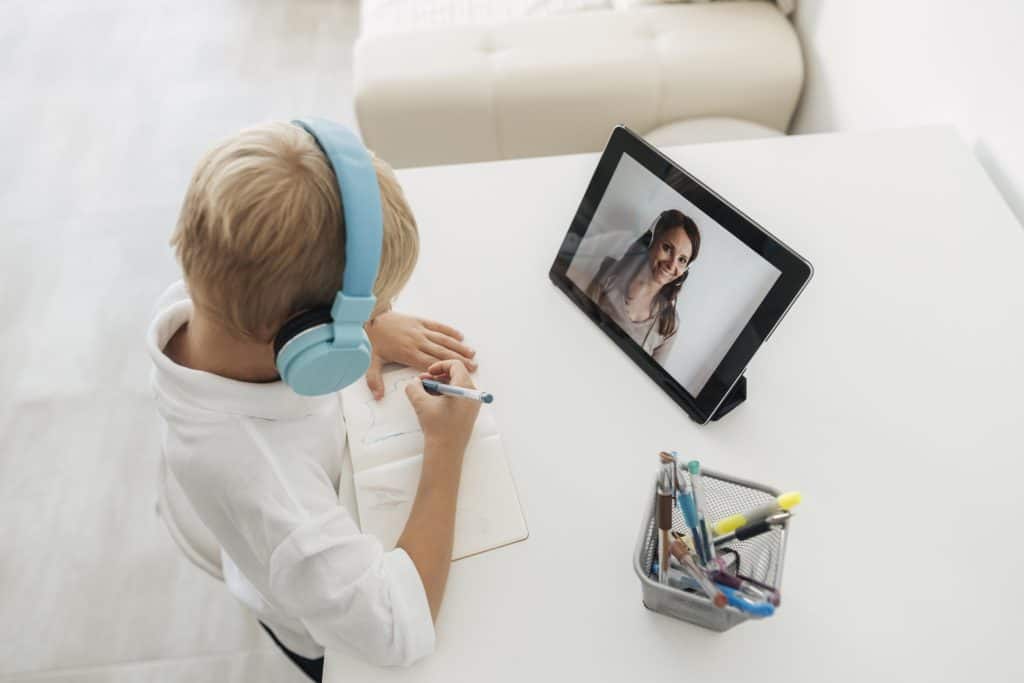
In today’s digital age, remote learning has become increasingly prevalent, making effective collaboration tools a necessity for educators and students alike. As the world embraces online education, the demand for enhanced learning experiences and innovative tools to facilitate remote collaboration has grown exponentially.
The advent of remote learning has revolutionized education by transcending physical boundaries and offering unparalleled opportunities for students to learn from anywhere. However, to ensure a seamless learning experience, educators require robust remote collaboration tools that empower them to engage and connect with their students effectively.
Educators play a crucial role in fostering student growth and development, even in remote learning environments. By harnessing the power of educational collaboration tools, teachers can create engaging and interactive virtual classrooms that promote active participation and facilitate collaborative learning.
Remote collaboration tools for educators provide a range of functionalities that enable seamless communication, content sharing, and real-time interaction with students. These tools, such as online collaboration platforms, virtual classroom software, and e-learning tools, offer a comprehensive suite of features to facilitate effective remote teaching.
By embracing remote collaboration tools, educators can enhance the learning experiences of their students. These tools enable teachers to deliver engaging lessons, facilitate group collaboration, and promote interactive discussions. Through features like video conferencing, screen sharing, and file sharing tools, educators can create a dynamic virtual classroom environment that closely emulates traditional in-person interactions.
8 easy brainstorm apps for in a collaborative classroom
Importance of Remote Collaboration Tools for Educators
In today’s rapidly evolving educational landscape, educators face numerous challenges when it comes to remote learning. The shift from traditional classroom settings to virtual platforms has presented unique obstacles that require innovative solutions. Educators must adapt to new teaching methods, navigate technological barriers, and ensure effective communication and collaboration with their students. By understanding these challenges, we can emphasize the need for effective remote collaboration tools to bridge the gap between educators and students.
Emphasizing the Need for Effective Collaboration Tools
Remote collaboration tools play a vital role in facilitating enhanced learning experiences for educators and students alike. These tools enable seamless communication, real-time collaboration, and efficient information sharing. By leveraging remote collaboration tools, educators can overcome the barriers of physical distance and create engaging virtual classrooms.
One of the key challenges in remote learning is the lack of face-to-face interaction between educators and students. Educational collaboration tools provide a solution by enabling virtual classrooms where students can actively participate in discussions, ask questions, and receive immediate feedback from their teachers. This fosters a sense of community and engagement, which is crucial for effective learning outcomes.
Impact of Collaboration Tools on Student Engagement and Participation
Remote collaboration tools have a profound impact on student engagement, participation, and overall learning outcomes. These tools empower students to actively participate in virtual classrooms, collaborate with their peers, and contribute to group projects. By facilitating interactive discussions and providing a platform for sharing ideas, collaboration tools create an inclusive learning environment that promotes active learning.
Moreover, collaboration tools enable educators to personalize the learning experience for each student. They can provide individualized feedback, track student progress, and identify areas for improvement. This tailored approach enhances student engagement, motivation, and ultimately leads to better learning outcomes.
Utilizing various educational collaboration tools, such as online classroom tools, virtual classroom tools, and e-learning tools, educators can leverage multimedia resources, interactive presentations, and gamified learning experiences to make lessons more engaging and interactive. These tools also allow for the integration of educational technology, enabling educators to incorporate virtual simulations, educational videos, and interactive quizzes into their teaching methods.
The Impact of Collaboration Tools on Learning Outcomes
By utilizing remote collaboration tools, educators can significantly improve learning outcomes for their students. Collaborative learning promotes critical thinking, problem-solving skills, and effective communication. It encourages students to work together, share knowledge, and learn from their peers. With the help of online collaboration tools, students can engage in group projects, brainstorm ideas, and develop a deeper understanding of the subject matter.
Moreover, remote collaboration tools facilitate seamless communication between educators, students, and even parents. Video conferencing tools enable real-time interaction, while screen sharing tools and file sharing tools simplify the exchange of information and resources. Online whiteboard tools offer a dynamic platform for visual explanations and concept mapping.
By employing collaborative learning platforms for teachers and incorporating remote collaboration tools into their teaching strategies, educators can create an inclusive and dynamic learning environment that promotes student-centered learning. These tools empower educators to adapt their teaching methods to meet the diverse needs of their students and ensure that no student is left behind.
Best Remote Collaboration Tools for Educators
In today’s digital age, remote collaboration tools have become essential for educators to enhance the virtual classroom experience and facilitate efficient communication and group collaboration. With the advent of educational technology, teachers and students can now seamlessly connect and engage in remote learning environments. Here, we provide an overview of the top remote collaboration tools available for educators, highlighting their features, functionalities, and how they cater to the needs of teachers and students.
Collaboration Software
Collaboration software is a cornerstone of remote education, enabling teachers and students to collaborate effectively regardless of their physical locations. Tools like Google Workspace (formerly G Suite), Microsoft 365, and Slack offer a range of features that promote collaboration, such as shared document editing, real-time messaging, and project management capabilities. Educators can use these tools to create virtual classrooms, share resources, and foster collaborative learning environments.
Video Conferencing Tools
Video conferencing tools have revolutionized remote teaching by allowing educators to conduct live classes, host webinars, and engage with students face-to-face, virtually. Popular video conferencing tools include Zoom, Google Meet, and Microsoft Teams. These platforms offer features like screen sharing, breakout rooms for group activities, and chat functionalities, enabling teachers to deliver interactive and engaging lessons while maintaining direct communication with their students.
Screen Sharing Tools
Screen sharing tools are invaluable for educators, as they enable seamless sharing of presentations, documents, and multimedia content during online classes. Tools such as Loom, ShareScreen, and OBS Studio allow teachers to share their screens, making it easier to demonstrate concepts, showcase visual aids, and provide step-by-step instructions. Screen sharing fosters better understanding and engagement among remote students, enhancing the learning experience.
File Sharing Tools
File sharing tools play a crucial role in remote collaboration, allowing educators to distribute learning materials, assignments, and resources to students efficiently. Google Drive, Dropbox, and OneDrive are popular file sharing platforms that offer secure storage and easy sharing functionalities. Educators can organize and share files with individual students or groups, ensuring seamless access to relevant educational materials.
Online Whiteboard Tools
Online whiteboard tools mimic the traditional classroom whiteboard experience, enabling educators to present and illustrate concepts visually in a virtual environment. Platforms like Miro, Jamboard, and Microsoft Whiteboard offer collaborative whiteboard features, allowing teachers and students to brainstorm, solve problems, and work together on shared visual canvases. These tools promote interactive and engaging learning experiences, fostering creativity and collaboration among remote students.
Promoting Enhanced Learning through Remote Collaboration Tools
The adoption of remote collaboration tools in the educational landscape brings several benefits to both educators and students. These tools facilitate efficient communication, facilitate group collaboration, and enhance the virtual classroom experience. By leveraging the features and functionalities of remote collaboration tools, educators can:
Enhance student engagement: Through remote collaboration tools, teachers can create interactive and immersive learning environments that captivate students’ attention and foster active participation.
Foster collaborative learning: Remote collaboration tools enable students to collaborate on projects, discuss ideas, and learn from each other, regardless of their physical locations. This collaborative approach nurtures critical thinking and problem-solving skills.
Facilitate personalized instruction: With remote collaboration tools, educators can provide individualized feedback, guidance, and support to students, tailoring their teaching approach to meet the unique needs of each learner.
Promote accessibility and inclusivity: Remote collaboration tools break down geographical barriers and provide equal access to education for students from diverse backgrounds. These tools ensure that all students can participate in the virtual classroom experience.
Innovative Remote Collaboration Tools for Enhanced Learning
In today’s digital era, remote collaboration tools have revolutionized the way educators and students interact, enabling enhanced learning experiences beyond traditional classroom settings. This section explores a range of innovative collaboration tools specifically designed to foster active participation, encourage creativity, and enable dynamic and interactive lessons. From interactive virtual classroom tools to creative online whiteboard tools and collaborative learning platforms, these technological advancements are reshaping the landscape of remote education.
Interactive Virtual Classroom Tools
Interactive virtual classroom tools have emerged as a cornerstone of remote education, enabling educators to recreate an engaging and immersive learning environment. These tools facilitate real-time interaction between teachers and students, offering features such as live video conferencing, chat functionalities, and screen sharing capabilities. By utilizing virtual classroom tools, educators can conduct interactive lessons, deliver presentations, and engage in discussions, fostering a collaborative and inclusive learning experience.
A notable example of virtual classroom tools is the integration of video conferencing platforms like Zoom or Microsoft Teams with educational collaboration tools. This combination allows for seamless communication, remote student collaboration, and teacher collaboration tools, offering a comprehensive solution for interactive remote education.
Creative Online Whiteboard Tools
Creative online whiteboard tools provide a virtual canvas for educators and students to express their ideas visually and collaboratively. These tools simulate the experience of using a physical whiteboard, enabling users to draw, write, and share content in real-time. By fostering creativity and visual learning, online whiteboard tools enhance engagement and facilitate effective knowledge transfer in remote learning environments.
One popular online whiteboard tool is Miro, which offers a range of collaborative features such as sticky notes, drawing tools, and document integration. This tool allows educators to create interactive presentations, brainstorm ideas, and facilitate group collaboration. With its user-friendly interface and intuitive functionality, Miro exemplifies the power of creative online whiteboard tools in enhancing the remote learning experience.
Collaborative Learning Platforms
Collaborative learning platforms serve as comprehensive ecosystems for remote education, offering a wide array of tools and resources for educators and students. These platforms integrate various features such as virtual classrooms, file sharing, discussion boards, and assessment tools, fostering a cohesive and interactive learning environment. They enable seamless communication, collaboration, and resource sharing, enhancing student engagement and facilitating effective knowledge acquisition.
One prominent collaborative learning platform is Google Classroom. This platform enables educators to create virtual classrooms, distribute assignments, provide feedback, and monitor student progress. By leveraging its robust features, Google Classroom enhances remote teaching, streamlines administrative tasks, and promotes effective communication between educators and students.
Choosing the Right Remote Collaboration Tools for Educators
In today’s digital age, remote collaboration has become an integral part of enhanced learning and remote education. Educators now rely on various remote collaboration tools to facilitate effective communication, engagement, and collaboration among students and teachers. However, with a plethora of options available, it can be challenging for educators to select the most suitable tools for their specific needs. This section provides guidelines and considerations for educators when choosing remote collaboration tools, taking into account factors such as ease of use, affordability, security, and compatibility with existing technology infrastructure. By evaluating and comparing different tools, educators can find the best fit to enhance their teaching and facilitate seamless collaboration among students.
Considerations for Choosing Remote Collaboration Tools
Ease of Use: When selecting remote collaboration tools, educators should prioritize ease of use to ensure a smooth adoption process for both teachers and students. Intuitive interfaces, simple navigation, and user-friendly features contribute to a positive learning experience.
Affordability: Educators should consider the cost implications of remote collaboration tools. While some tools offer free versions, others may require a subscription or licensing fees. It is crucial to assess the value provided by the tool in relation to its cost and the available budget.
Security: Protecting sensitive educational information is paramount. Educators must choose tools that prioritize data privacy and offer robust security measures such as encryption, secure login protocols, and compliance with relevant regulations like GDPR and COPPA.
Compatibility with Existing Technology Infrastructure: It is essential to ensure that the selected remote collaboration tools seamlessly integrate with the school’s existing technology infrastructure. Compatibility with operating systems, browsers, and devices used by students and teachers is crucial for a seamless user experience.
Evaluating and Comparing Remote Collaboration Tools
Assess Educational Needs: Educators should begin by identifying their specific educational requirements and goals. Consider the desired collaboration features, such as video conferencing, screen sharing, file sharing, and online whiteboard capabilities, to determine the functionalities needed in the chosen tool.
Research and Read Reviews: Conduct thorough research and read reviews from reputable sources to gain insights into the pros and cons of different remote collaboration tools. Feedback from other educators who have used the tools can provide valuable perspectives.
Trial Periods and Demos: Many remote collaboration tool providers offer trial periods or demos. Take advantage of these opportunities to explore the tools firsthand and assess their suitability for the educational setting. During the trial period, evaluate features, usability, and overall user experience.
Consider Integration: Evaluate how well the remote collaboration tools integrate with other educational technology platforms commonly used in the classroom, such as learning management systems (LMS) or content management systems (CMS). Seamless integration enhances workflow efficiency and reduces administrative burdens.
Maximising Student Engagement with Remote Collaboration Tools
In today’s rapidly evolving educational landscape, remote collaboration tools for educators have become indispensable in facilitating enhanced learning experiences. With the rise of remote learning and the increasing adoption of educational technology, online collaboration tools offer a wide range of features to create interactive and immersive learning environments. By leveraging these tools effectively, educators can maximize student engagement and foster collaboration among students, thereby promoting group work and project-based learning. In this section, we will explore strategies and techniques for using collaboration tools to enhance student engagement and provide examples of how these tools can be leveraged for effective remote teaching and learning.
The Importance of Remote Collaboration
Collaboration is a key aspect of modern education, promoting critical thinking, problem-solving skills, and creativity. Remote collaboration tools play a vital role in bridging the gap between distance learning and collaborative learning, offering a host of benefits for both educators and students. These tools facilitate seamless communication, enable real-time interaction, and provide a platform for sharing ideas, resources, and feedback. By utilizing remote collaboration tools, educators can create a virtual classroom environment that encourages active participation, fosters teamwork, and promotes engagement among students.
Utilising Interactive Features
To maximize student engagement, educators can leverage various interactive features offered by remote collaboration tools. Let’s explore some key features and their potential impact on student learning:
Screen Sharing Tools: Screen sharing allows educators to share their screens with students, enabling them to demonstrate concepts, showcase multimedia content, and provide step-by-step instructions. This feature enhances student understanding and facilitates visual learning.
Virtual Breakout Rooms: Virtual breakout rooms provide a space for small group discussions, collaborative activities, and peer-to-peer learning. Educators can assign students to breakout rooms, encouraging active participation, fostering collaboration, and facilitating group work.
Interactive Whiteboards: Online whiteboard tools offer a dynamic platform for brainstorming, illustrating concepts, and engaging in collaborative problem-solving. Educators can encourage students to contribute ideas, visualize concepts, and actively participate in virtual classroom activities.
Facilitating Group Work and Project-Based Learning
Collaboration tools play a crucial role in fostering group work and project-based learning, allowing students to work together, share ideas, and collectively solve challenges. By utilizing remote collaboration tools, educators can create a collaborative learning environment that promotes teamwork and facilitates the following:
Group Collaboration: Remote collaboration tools enable students to collaborate on projects, assignments, and presentations. They can collectively work on shared documents, share resources, and provide feedback to one another, enhancing the overall learning experience.
Peer-to-Peer Learning: By leveraging collaboration tools, educators can encourage students to engage in peer-to-peer learning. Students can collaborate on problem-solving activities, engage in discussions, and learn from each other’s perspectives.
Real-World Connections: Remote collaboration tools can help students establish connections beyond the classroom. Educators can facilitate collaborations with experts, guest speakers, or other classrooms worldwide, exposing students to diverse perspectives and real-world experiences.
Conclusion
Remote collaboration tools for educators have revolutionized the way teaching and learning take place in today’s digital age. The advent of these innovative tools has empowered educators to embrace new opportunities and adapt to the changing landscape of education. By utilizing remote collaboration tools, educators can effectively enhance the learning process, engage students, improve knowledge retention, and ultimately drive academic success.
The significance of remote collaboration tools in education cannot be overstated. These tools enable educators to transcend the barriers of physical distance and facilitate remote learning, which has become increasingly relevant in recent times. Through online collaboration tools and virtual collaboration tools, educators can create interactive virtual classrooms that foster engagement and facilitate knowledge sharing among students.
Educational collaboration tools have become essential for remote education, offering educators a wide array of features that promote effective teaching and student collaboration. With remote collaboration tools, educators can create virtual learning environments that simulate traditional classrooms, allowing for seamless interaction and real-time communication. By leveraging collaboration software, online classroom tools, and virtual classroom tools, educators can provide students with a dynamic and immersive learning experience.
One of the key advantages of remote collaboration tools is their ability to enhance student engagement. Through features such as remote student collaboration, group collaboration tools, and collaborative learning platforms, students can actively participate in discussions, collaborate on projects, and learn from their peers. This collaborative approach not only deepens understanding but also cultivates critical thinking and problem-solving skills.
Additionally, remote collaboration tools contribute to improved knowledge retention. By incorporating interactive elements and multimedia resources, such as e-learning tools and online whiteboard tools, educators can present information in engaging and memorable ways. Students can actively interact with the content, reinforcing their understanding and retention of key concepts.
FAQs
What are some popular remote collaboration tools for educators?
Some popular remote collaboration tools for educators include:
Google Workspace for Education: Offers tools like Google Docs, Sheets, and Slides for real-time collaboration and communication.
Microsoft Teams for Education: Facilitates collaboration through chat, video meetings, and document sharing within a virtual classroom setting.
Zoom: A video conferencing platform that enables virtual meetings, screen sharing, and breakout rooms for collaborative activities.
Canvas: A learning management system that supports online collaboration, assignments, discussions, and content sharing.
Padlet: An online bulletin board where students and educators can collaborate by sharing ideas, resources, and multimedia content.
Edmodo: A platform that allows educators to create virtual classrooms, share assignments, and engage in discussions with students.
Flipgrid: Enables video-based discussions and student responses, fostering collaborative learning and reflection.
How can remote collaboration tools enhance learning?
Remote collaboration tools can enhance learning by promoting active engagement, fostering communication and collaboration among students and educators, and enabling access to a wealth of resources. These tools provide opportunities for synchronous and asynchronous interactions, allowing students to work together on projects, share ideas, and receive feedback. They also facilitate personalized learning experiences, as students can access educational materials and resources remotely. Remote collaboration tools promote inclusivity, as they can accommodate diverse learning styles and allow for participation regardless of physical location. Additionally, these tools offer features such as screen sharing, virtual whiteboards, and breakout rooms, which enhance interactivity and facilitate the exchange of ideas. Overall, remote collaboration tools empower students to take ownership of their learning and enable educators to create dynamic and engaging learning environments.
Which remote collaboration tools are best for virtual classrooms?
Several remote collaboration tools are well-suited for virtual classrooms, including:
Google Classroom: Enables teachers to create and manage virtual classrooms, distribute assignments, provide feedback, and facilitate communication.
Microsoft Teams for Education: Provides a comprehensive platform for virtual classrooms, offering features like chat, video meetings, file sharing, and assignment management.
Zoom: Offers video conferencing capabilities with features such as screen sharing, breakout rooms, and recording options for virtual classroom interactions.
Canvas: A robust learning management system that supports virtual classrooms, assignments, discussions, and multimedia content sharing.
Nearpod: Facilitates interactive virtual lessons with features like real-time quizzes, polls, and collaborative activities.
Seesaw: Designed for younger learners, it enables teachers to create and share assignments, and students can submit their work and receive feedback.
These tools provide a range of features to support teaching and learning in virtual classrooms, depending on specific needs and preferences.
How do teachers use remote collaboration tools?
Teachers use remote collaboration tools in various ways to enhance instruction and engage with students. They can use these tools to:
Create virtual classrooms: Set up online spaces where students can access resources, submit assignments, and engage in discussions.
Facilitate communication: Use chat features or discussion boards to communicate with students, provide feedback, and answer questions.
Distribute and collect assignments: Share assignments digitally, collect completed work, and provide feedback or grades through the collaboration tools.
Conduct virtual meetings: Host live video conferences or class sessions to deliver instruction, hold discussions, or provide additional support.
Foster collaboration: Enable students to work together on group projects, participate in virtual breakout rooms, or contribute to shared documents.
Share resources: Use file-sharing features to distribute learning materials, readings, videos, or other educational content.
Teachers adapt these tools to their instructional goals, leveraging their features to create interactive and collaborative learning experiences for their students.
What are the benefits of using online collaboration tools in education?
Using online collaboration tools in education offers several benefits:
Enhanced engagement: Collaboration tools foster active participation and engagement among students, promoting a sense of ownership and empowerment in their learning.
Increased accessibility: Online collaboration tools allow students to access learning materials and participate in activities from anywhere, overcoming barriers of time and location.
Improved communication: These tools facilitate communication between students and teachers, enabling timely feedback, clarifications, and discussions.
Collaborative learning: Students can collaborate with peers, work on group projects, and exchange ideas, fostering critical thinking, problem-solving, and teamwork skills.
Rich resources: Online collaboration tools provide access to a vast array of digital resources, including multimedia content, educational websites, and shared documents.
Personalized learning: These tools can be adapted to individual learning styles and paces, allowing students to engage with content at their own comfort and speed.
By leveraging online collaboration tools, educators can create dynamic and inclusive learning environments that promote active learning and support student success.
How do I choose the right remote collaboration software?
When choosing remote collaboration software, consider the following factors:
Features: Identify the features that align with your educational goals, such as video conferencing, document sharing, real-time collaboration, or assignment management.
User-friendliness: Look for software that is intuitive and easy to navigate, ensuring both teachers and students can easily use the tool.
Compatibility: Consider software that can be accessed across multiple devices and operating systems, ensuring compatibility with students’ devices.
Security and privacy: Ensure that the software provides appropriate security measures and complies with privacy regulations to protect students’ data.
Integration capabilities: Check if the software integrates with other educational tools and learning management systems to streamline workflows.
Cost and scalability: Evaluate the pricing structure, including any potential additional costs, and consider if the software can scale with your institution’s needs.
Reviews and recommendations: Read reviews and seek recommendations from other educators who have used the software to gauge its effectiveness and reliability.
By considering these factors, you can select a remote collaboration software that best suits your teaching style, instructional objectives, and the needs of your students.
Are there free remote collaboration tools for educators?
Yes, there are free remote collaboration tools available for educators. Some popular free options include:
Google Workspace for Education: Offers a free version with access to Google Docs, Sheets, Slides, and other collaboration tools.
Microsoft Teams for Education: Provides a free version for educators with features like chat, video meetings, and document sharing.
Zoom: Offers a free plan that allows for video conferencing, screen sharing, and breakout rooms, albeit with time limits for group meetings.
Edmodo: A free platform that allows teachers to create virtual classrooms, distribute assignments, and facilitate communication with students.
Padlet: Offers a free basic version with limited features, including collaborative bulletin boards for sharing ideas and resources.
Flipgrid: Provides a free version for educators to create video-based discussions and facilitate student engagement.
While these free versions may have limitations compared to their premium counterparts, they can still provide valuable collaboration and communication features for educators.
How can remote collaboration tools improve student engagement?
Remote collaboration tools can improve student engagement by fostering active participation, facilitating communication and interaction, and promoting collaborative learning. These tools offer features like chat functions, discussion boards, video conferences, and collaborative document editing, enabling students to connect with their peers and teachers. By providing opportunities for synchronous and asynchronous collaboration, students can work together, ask questions, share ideas, and receive feedback. This active engagement helps students feel more connected to the learning process, promotes a sense of belonging, and encourages them to take ownership of their education. Additionally, remote collaboration tools often incorporate multimedia and interactive elements, which can make learning more exciting and enjoyable for students. By leveraging these tools effectively, educators can create dynamic and inclusive learning environments that foster higher levels of student engagement.
What features should I look for in remote collaboration tools for teachers?
When selecting remote collaboration tools for teachers, consider the following features:
Communication tools: Look for chat functions, discussion boards, and messaging capabilities that facilitate communication between teachers and students.
Document sharing and collaboration: Seek tools that enable real-time collaboration on documents, allowing multiple users to work together on the same file.
Video conferencing: Consider tools that offer video conferencing capabilities, including features like screen sharing, breakout rooms, and recording options.
Assignment management: Look for tools that allow teachers to distribute assignments, collect student work, provide feedback, and track progress.
Integration with other platforms: Consider tools that integrate well with learning management systems, educational apps, or other tools that you already use.
Privacy and security: Ensure the tools prioritize the privacy and security of student data and comply with relevant regulations.
User-friendly interface: Choose tools that are intuitive and easy to navigate, minimizing the learning curve for both teachers and students.
By considering these features, you can find remote collaboration tools that align with your teaching needs and enhance your ability to engage with students effectively.
Can remote collaboration tools be used for distance learning?
Yes, remote collaboration tools are particularly well-suited for distance learning. These tools enable educators and students to connect, collaborate, and engage in learning activities regardless of their physical location. Remote collaboration tools facilitate communication, allowing teachers to deliver instruction, provide feedback, and answer questions. They also enable students to participate in discussions, work on group projects, and receive individualized support. Through features like video conferencing, screen sharing, and collaborative document editing, remote collaboration tools create interactive and engaging virtual learning environments. Students can access educational resources, submit assignments, and interact with their peers and teachers remotely. With the flexibility and accessibility provided by these tools, distance learning becomes more interactive, inclusive, and conducive to active student engagement.
How do remote collaboration tools facilitate communication between educators and students?
Remote collaboration tools facilitate communication between educators and students by providing various channels for interaction. These tools typically offer features such as chat functions, discussion boards, messaging systems, and video conferencing capabilities. Educators can use these channels to deliver instructions, share announcements, and clarify concepts. Students, in turn, can ask questions, seek clarification, and engage in discussions with their teachers. These communication features foster timely and effective communication, ensuring that students have the support they need and feel connected to their instructors. Additionally, some remote collaboration tools provide options for private messaging or one-on-one video meetings, allowing for personalized interactions between educators and students. By facilitating seamless communication, these tools bridge the physical distance and create an inclusive and supportive learning environment for both teachers and students.
Are there any affordable educational collaboration tools available?
Yes, there are affordable educational collaboration tools available. Some options include:
Google Workspace for Education (formerly G Suite for Education): Offers free and paid plans with various features for collaboration, communication, and document sharing.
Microsoft 365 Education: Provides cost-effective plans for educational institutions, encompassing tools like Microsoft Teams, OneDrive, and Office apps for collaboration and productivity.
Zoom: Offers both free and paid plans, with the free version providing basic video conferencing capabilities suitable for smaller classrooms.
Edmodo: Provides a free basic version and a paid Edmodo Pro plan, offering additional features for classroom management and collaboration.
Padlet: Offers both free and paid plans, with the free version allowing for limited collaboration and content sharing.
Moodle: An open-source learning management system that is free to use, providing collaboration and communication tools for educators.
While some tools may have premium versions with additional features, these affordable options can still provide valuable collaboration functionalities for educators working within budget constraints.
What are some examples of virtual classroom collaboration tools?
Some examples of virtual classroom collaboration tools include:
Google Classroom: Enables educators to create and manage virtual classrooms, distribute assignments, facilitate discussions, and provide feedback.
Microsoft Teams for Education: Offers a comprehensive platform for virtual classrooms, incorporating features like chat, video meetings, file sharing, and assignment management.
Canvas: A widely-used learning management system that supports virtual classrooms, assignment distribution, discussion boards, and content sharing.
Nearpod: Facilitates interactive virtual lessons with features like live quizzes, polls, and collaborative activities for student engagement.
Kahoot!: Allows educators to create interactive quizzes and games that promote student participation and learning.
Pear Deck: Integrates with presentation software to make lessons interactive, enabling real-time student responses and engagement.
These tools provide a range of collaboration features to create engaging and interactive virtual classroom experiences for students and teachers.
How can e-learning tools support remote collaboration?
E-learning tools support remote collaboration by providing platforms and features that facilitate communication, resource sharing, and collaborative activities. These tools typically offer features like chat functions, discussion boards, file sharing, and real-time collaboration on documents or projects. Through these features, students can engage in discussions, work together on assignments, and exchange ideas, even when physically separated. E-learning tools also provide access to a wide range of digital resources, including educational websites, videos, and interactive materials, which can be shared among students for collaborative learning. Additionally, features like video conferencing and virtual breakout rooms enable synchronous collaboration and group work, replicating the experience of a physical classroom. Overall, e-learning tools create virtual learning environments that promote active participation, communication, and collaboration among students, fostering a sense of community and supporting remote collaboration.
What are the key features of video conferencing tools for educators?
Key features of video conferencing tools for educators include:
Video and audio capabilities: Allow participants to see and hear each other, creating a sense of presence and facilitating communication.
Screen sharing: Enables teachers to share their screens, showing presentations, documents, or other visual aids to enhance instruction.
Chat and messaging: Provide a chat function for participants to send text-based messages, ask questions, or share links during the video conference.
Recording: Allows sessions to be recorded for future reference or for students who cannot attend the live meeting.
Virtual backgrounds: Provide the option to use virtual backgrounds, helping maintain privacy or creating a visually appealing environment.
Breakout rooms: Enable teachers to create smaller groups for discussions, group activities, or collaborative work during the video conference.
Polls and quizzes: Offer the ability to conduct real-time polls or quizzes to engage students and assess their understanding.
Whiteboard and annotation tools: Provide virtual whiteboards and annotation features for interactive and collaborative note-taking or brainstorming.
These features enhance the versatility and interactivity of video conferencing tools, enabling educators to deliver engaging instruction and facilitate collaborative activities in virtual classrooms.
In today’s fast-paced business world, productive meetings are essential for successful collaboration, decision-making, and problem-solving. The use of audio visual (AV) equipment has revolutionized the way meetings are conducted, enhancing communication and productivity. This article explores the importance of audio visual equipment in conducting productive meetings, the impact of modern advancements in AV technology, and the significance of choosing the right equipment for different meeting scenarios.Audio visual equipment plays a pivotal role in modern meetings, enabling participants to engage and interact effectively. These technological solutions encompass a wide range of tools, including presentation equipment, video conferencing devices, interactive displays, and audio conferencing systems. By harnessing the power of AV technology, businesses can create an immersive and collaborative meeting environment.Recent advancements in AV technology have brought forth a new era of meeting technology trends. Virtual meeting solutions have become increasingly popular, especially in the context of remote work and global teams. Virtual meetings bridge the geographical gap, allowing seamless communication and information sharing. Moreover, wireless presentation devices have simplified the process of sharing content, making presentations more dynamic and engaging.Interactive whiteboards have emerged as powerful tools for team collaboration. These cutting-edge AV technologies enable participants to brainstorm ideas, draw diagrams, and annotate content in real-time. Such interactivity fosters creativity and helps teams achieve productive outcomes.In larger corporations, high-quality audio conferencing systems and top-notch conference room solutions are imperative. These advanced technologies support clear and uninterrupted communication, even in large meeting spaces.With the rise of remote work, virtual meeting solutions are essential for seamless communication among remote teams. The best audio visual equipment for remote meetings ensures that all team members feel connected and engaged despite being physically distant.Interactive displays and interactive whiteboards are perfect for collaborative sessions. These tools foster teamwork, encourage creativity, and allow participants to actively contribute to the meeting’s objectives.Going Hybrid: Large Meeting Hybrid Tech Setup Best Audio Visual Equipment for Remote MeetingsThe increasing trend of remote work and virtual meetings has transformed the way businesses communicate and collaborate. To ensure effective remote meetings, it is crucial to invest in high-quality audio visual (AV) equipment that enhances communication and maximizes productivity. In this section, we review the top-rated audio visual equipment suited for remote meetings, highlighting their benefits and contributions to productive meetings in the modern workplace. Audio Visual Equipment for Productive Meetings In today’s fast-paced business environment, audio visual equipment plays a pivotal role in facilitating seamless communication during virtual meetings. With a wide range of meeting technology and conference solutions available, it is essential to choose the right tools to optimize collaboration. High-Definition Webcams: Enhancing Virtual Presence Virtual meetings heavily rely on video conferencing, making high-definition webcams a fundamental component of AV technology. Clear and crisp video quality ensures participants feel more connected, enabling effective communication and engagement during remote meetings. Noise-Canceling Microphones: Crystal-Clear Audio Audio clarity is paramount in remote meetings. Noise-canceling microphones filter out background noise, ensuring participants can communicate without distractions. Investing in high-quality audio conferencing systems contributes to effective communication and active participation. High-Fidelity Speakers: Clear Audio Reception Having high-fidelity speakers is equally important to ensure participants can hear each other clearly. It minimizes misunderstandings and ensures that critical information is not missed during virtual meetings. Interactive Displays: Enhancing Collaboration Interactive displays are modern presentation equipment that fosters collaboration in virtual meetings. These displays allow real-time annotation, brainstorming, and interactive discussions, creating a more engaging and productive meeting environment. Virtual Meeting Solutions for Remote Teams With remote work becoming the new normal, virtual meeting solutions are a must-have for businesses. These solutions offer seamless video conferencing, screen sharing, and document collaboration, enabling teams to work together efficiently from any location. Wireless Presentation Devices: Freedom of Mobility Gone are the days of wired connections. Wireless presentation devices provide the freedom to move around during presentations, promoting a dynamic and engaging meeting experience. Smart Presentation Tools: Elevating Meetings Smart presentation tools integrate cutting-edge AV technology with business communication devices, offering advanced features like AI-driven analytics, real-time language translation, and gesture control, elevating the meeting experience to new heights. Meeting Technology Trends: Staying Ahead As technology continues to evolve, staying updated with the latest meeting technology trends ensures businesses remain competitive and can conduct meetings with efficiency and ease. Effective Communication Tools: The Key to Success Clear and effective communication is the backbone of productive meetings. Investing in high-quality audio equipment and visual presentation aids strengthens communication and fosters a collaborative atmosphere. Affordable Meeting Room TechnologyIn today’s fast-paced business world, productive meetings are essential for the success of small businesses and startups. To facilitate efficient collaboration and communication, having the right audio-visual (AV) equipment is crucial. In this section, we will explore budget-friendly AV solutions that address the concerns of small businesses and startups while maintaining the quality needed to ensure optimal performance. The Power of Audio Visual Equipment for Productive Meetings Audio visual equipment plays a pivotal role in enhancing meetings, enabling seamless communication, and delivering impactful presentations. Integrating advanced meeting technology can significantly improve team collaboration and overall meeting efficiency. Budget-Friendly AV Solutions for Small Businesses Cost-Effective ProjectorsProjectors offer an affordable way to present information to a group. Look for modern office technology projectors that provide clear visuals and seamless connectivity options, ensuring you get the best value for your investment.Entry-Level Video Conferencing SystemsVideo conferencing devices are indispensable for remote work and virtual meetings. Opt for budget-friendly video conferencing solutions that offer high-quality audio and video performance, ensuring effective communication with remote teams.Budget-Friendly Interactive DisplaysInteractive whiteboards are excellent collaboration tools that foster engagement during meetings. Seek cost-effective interactive displays with user-friendly interfaces and versatile features to enhance team collaboration without breaking the bank. Balancing Cost-Effectiveness with Quality While affordability is crucial, compromising on quality can lead to frustrating meeting experiences. Finding the right balance between cost-effectiveness and performance ensures that your AV equipment meets the demands of productive meetings. The Rise of Virtual Meetings and Remote Work Tools In today’s dynamic business landscape, virtual meetings have become the norm. Embrace virtual meeting solutions and
In today’s tech-driven world, success in the Audio-Visual (AV) career field holds immense significance. The AV career, situated within the rapidly evolving audiovisual industry, offers abundant opportunities for professional growth. Let’s delve into the key aspects of AV career success, addressing the critical components to help you thrive in this dynamic landscape.The AV industry is constantly innovating, driven by emerging technologies and multimedia advancements. Job openings in this field are on the rise, making it an ideal choice for those seeking a fulfilling career. To secure a strong foothold, consider pursuing industry certifications, honing your AV technician skills, and exploring multimedia specialist roles.AV career development is an ongoing journey. These skills align with AV industry insights and trends, positioning you for professional growth and success.Navigating the AV job market requires a strategic approach. Seek guidance from experts and take advantage of career counseling services. Attend AV networking events and career fairs to build your connections and gain valuable insights into AV job search strategies.AV Career Pathways; How to get a job in the audio visual industry AV Career Success Without ExperienceWhen embarking on a career in the audiovisual (AV) industry, newcomers often face daunting challenges due to their lack of experience. However, with strategic planning and a proactive approach, aspiring professionals can successfully break into the AV field, leveraging their transferable skills and industry knowledge. In this guide, we will discuss the hurdles faced by individuals seeking AV career success without experience and provide actionable tips and strategies to help them thrive.Challenges of Starting an AV Career with Little to No ExperienceEntering the AV industry without prior experience can be overwhelming. Job seekers encounter fierce competition in the job market, making it difficult to secure entry-level AV positions. Furthermore, the rapid advancements in multimedia technology demand up-to-date skills, creating a gap for beginners. Job prospects in the AV industry are promising, but the lack of experience often hampers candidates’ chances of landing their desired roles.Tips and Strategies for Newcomers to Break into the AV Industry Invest in Audio Visual Training and Certifications: Pursue formal AV career training programs and industry certifications to acquire essential skills and knowledge. These programs provide hands-on experience and in-depth knowledge of emerging technologies, enhancing your market value. Develop Transferable Skills: Identify and highlight transferable skills from your previous experiences, such as communication, problem-solving, and teamwork. These skills are invaluable in the AV industry and can make you a desirable candidate, even without direct AV experience. Utilize Job Search Strategies: Leverage online job portals and AV industry-specific platforms to explore job openings. Tailor your resume and cover letter for each application, emphasizing your passion for multimedia technology and your willingness to learn and adapt. AV Networking Events and Career Pathways: Attend AV networking events and career fairs to connect with professionals in the field. Networking provides valuable insights, mentorship, and potential job leads. Research different AV career paths and identify which aligns with your skills and interests for targeted applications. The Value of Transferable Skills and a Proactive ApproachTransferable skills, such as project management, critical thinking, and creativity, are highly valued in the AV industry. By demonstrating these skills and adopting a proactive approach to learning and skill development, newcomers can bridge the experience gap. Employers appreciate candidates who show initiative and a willingness to adapt to the fast-paced AV job market. Entry-Level AV PositionsAre you considering a career in the audiovisual industry? The world of multimedia technology offers a plethora of job prospects and professional growth opportunities. In this section, we will delve into the diverse entry-level AV positions available, their responsibilities, requirements, and potential growth paths. Entry-Level AV Positions and Their Responsibilities AV Technician: Entry-level AV technicians play a crucial role in setting up audio and visual equipment for events, presentations, and conferences. Their responsibilities include equipment maintenance, troubleshooting, and ensuring seamless multimedia technology operations. Multimedia Specialist: Multimedia specialists create, edit, and manage audiovisual content. They work with various tools and software to produce videos, presentations, and graphics. Entry-level positions may involve assisting experienced specialists and learning the ropes of multimedia production. Video Production Assistant: If you have a passion for video production, consider starting as a production assistant. You’ll assist in the filming, editing, and organization of video content. It’s a great way to gain hands-on experience in the AV industry. Requirements for Entry-Level AV PositionsTo secure your spot in the audiovisual industry, you’ll need a combination of skills and certifications. Audio-visual training is essential for building a strong foundation, and you should consider pursuing industry certifications. Potential Growth Paths in the AV IndustryAs you embark on your AV career, it’s crucial to have a clear path for professional growth. Consider the following: AV Career Development: Continuously improve your skills and knowledge. Attend AV networking events, such as AV career fairs and seminars, to stay updated on industry trends. AI Integration and Machine Learning in AV: As the industry evolves, explore opportunities in AI integration and machine learning within audiovisual technology. These areas are experiencing significant innovation and growth. AV Industry Certifications: Acquiring industry-recognized certifications can open doors to more advanced positions and higher earning potential. Consider certifications like CTS (Certified Technology Specialist) or AVIXA. Choosing the Right Entry-Level Role for YouTo ensure AV career success, here are some tips to help you choose the best entry-level position: Identify Your Interests: Think about your interests and passions within the AV industry. Whether it’s video production, multimedia technology, or AV technology integration, choose a role that excites you. Consider Your Skillset: Assess your current skills and strengths. Some entry-level positions may require specific technical skills, while others may focus on creativity and design. Location Matters: Research AV job market trends in your desired location. You can find AV job openings in specific locations by using online job boards and company websites. AV Career Growth for BeginnersIn the dynamic world of multimedia technology, individuals embarking on an AV career journey have a multitude of exciting prospects to explore. Whether you’re just starting or considering a transition into the
Discover the numerous benefits of meeting room scheduling software. Automate your scheduling, streamline your operations and optimize your resources with our easy-to-use software. Get more done in less time with our powerful scheduling tools.
In the fast-paced world of presentations, achieving maximum engagement and impact is crucial. This is where AV equipment and multimedia tools come into play, revolutionizing the way we deliver information and connect with our audience. In this article, we’ll explore the realm of presentation enhancement using audiovisual solutions, and delve into strategies to create immersive and impactful presentations that resonate with your audience.Effective presentations go beyond mere words – they leverage technology to create an experience that captivates and educates. AV equipment, short for audiovisual equipment, encompasses a range of tools such as projection equipment, interactive displays, and audio systems. These advanced presentation tools offer the potential to convey complex ideas seamlessly, and that’s where the journey to amplifying presentation success begins.Multimedia tools play a pivotal role in creating engaging and visually captivating presentations. Incorporating impactful visuals and audio enhancements can significantly enhance audience engagement. Whether it’s using interactive displays to encourage participation or incorporating immersive visuals to transport your audience, multimedia tools offer a diverse set of options for amplifying presentation impact.To achieve the level of engagement that modern audiences expect, seamless AV integration is essential. This involves harmoniously blending different AV components to create a cohesive and immersive experience. By upgrading your presentation equipment and optimizing your AV setup, you ensure that your audience is fully immersed in the content, leading to better retention and understanding.Logitech + Microsoft Teams | Raising the Bar on Video Meetings The Power of AV Equipment in Presentation SuccessIn the realm of public speaking, the power of AV equipment cannot be underestimated. The integration of audiovisual solutions and multimedia tools has revolutionized the way presentations are conducted. Effective presentations go beyond mere verbal communication; they leverage visual aids, immersive visuals, and audio enhancements to captivate audiences and convey messages more powerfully.Maximising Productivity with AV Equipment: An Essential Component of Modern PresentationsWhen it comes to presentation enhancement, AV equipment stands as a cornerstone. The synergy between presentation technology and AV equipment brings about unparalleled engagement and impact. By adopting advanced presentation tools, speakers can elevate their performance, making successful public speaking more achievable.Significance of Technology Integration for Impactful Public SpeakingTo engage today’s audiences effectively, public speakers must harness the potential of AV equipment. Incorporating interactive displays, projection equipment, and cutting-edge audio systems ensures a dynamic presentation experience. This not only captures attention but also creates an environment conducive to learning and understanding.Connecting AV Equipment to Improved Engagement Strategies and Audience ImpactEngaging an audience requires a multi-faceted approach. AV equipment enhances engagement strategies by offering a visual and auditory feast. Immersive presentations facilitated by AV integration make complex topics more digestible, resulting in a higher retention rate among listeners.AV Equipment Setup Guide: Tips for Enhancing Presentation ImpactAchieving presentation success starts with selecting the right AV equipment. When choosing audiovisual tools, consider factors such as audience size, venue, and content format. Affordable multimedia solutions for presentations can be just as effective as high-end options, as long as they align with the speaker’s objectives.Optimising Audio Systems for Successful Speaking: Audio Enhancements for Impactful PresentationsAudio amplification is an integral aspect of AV equipment that often goes unnoticed until it’s absent. A clear and resonant voice amplifies the speaker’s credibility and message delivery. Upgrading AV equipment to include top-notch audio systems ensures that every word resonates with the audience.Choosing the Right Audiovisual Tools for Public Speaking: AV Solutions for Enhanced EngagementThe process of upgrading presentation equipment is not just about technology; it’s about enhancing presentation impact. By integrating AV solutions, speakers can weave impactful visuals seamlessly into their narratives. This not only keeps the audience engaged but also aids in conveying complex concepts effectively.Interactive Display Benefits in Presentations: Transforming Communication DynamicsIncorporating interactive displays into presentations fosters a sense of participation among attendees. These displays facilitate real-time interactions, allowing the speaker to address questions and concerns directly. This two-way communication enhances audience involvement and comprehension.AV Integration Tips for Public Speakers: Technology’s Role in Crafting Compelling NarrativesTechnology in presentations should be wielded with intention. Public speakers must strike a balance between multimedia enhancements and the core message. By following best practices and integrating AV solutions thoughtfully, speakers can create a harmonious fusion of technology and storytelling. Choosing the Right Audiovisual Tools for Public SpeakingWhen it comes to delivering impactful presentations, the role of AV equipment cannot be underestimated. Selecting the right audiovisual solutions is a crucial aspect of enhancing your public speaking engagements. By effectively integrating technology and multimedia tools, you can captivate your audience and create immersive presentations that leave a lasting impact. Let’s dive into the key considerations for choosing the best AV equipment for your presentations.Enhancing Presentation Impact with AV ToolsIn the realm of public speaking, presentation success hinges on engaging your audience through visual aids and immersive content. By choosing the right AV equipment, you can maximize your productivity and create presentations that resonate with your audience. Utilizing advanced presentation tools, such as interactive displays and projection equipment, can significantly elevate your content delivery.Evaluating Multimedia Solutions for Engaging ContentMultimedia tools play a pivotal role in conveying your message effectively. Incorporating visual aids and audio enhancements can help convey complex ideas with clarity. When evaluating AV equipment, prioritize devices that seamlessly integrate multimedia elements. This integration enhances your ability to create visually appealing presentations that amplify engagement and audience impact.Optimizing Audio Systems for Effective CommunicationAudio quality is a critical component of successful public speaking. Upgrading your AV setup with high-quality audio systems ensures that your message is conveyed clearly to every corner of the room. This optimization eliminates distractions and ensures that your audience remains focused on your presentation. By prioritizing audio amplification, you create an immersive auditory experience that complements your visuals.Budget-Friendly AV Solutions for ValueWhile considering AV equipment, it’s essential to address budget considerations. Affordable multimedia solutions exist that offer excellent value without compromising quality. Careful research and comparison of available options can lead to a selection that aligns with your objectives while staying within your budget.Integrating AV Technology for Immersive PresentationsIncorporating AV technology into your presentations
In recent years, the global workforce has witnessed a significant shift towards remote work, where employees perform their tasks outside the traditional office environment. This paradigm shift has been fueled by advancements in technology, changing work culture, and the increasing demand for flexibility. However, the transition to remote work is not without its challenges. This blog post aims to provide an overview of the increasing trend of remote work, highlight the importance of effective remote work resource management, and discuss some of the associated challenges.Remote work has gained immense popularity due to its numerous advantages. It allows individuals to work from any location, providing flexibility and freedom. Companies embracing remote work can tap into a global talent pool, leading to increased diversity and innovation. Additionally, remote work eliminates the need for commuting, reducing stress and enhancing work-life balance.Effective remote collaboration is essential for teams operating in different locations. Communication and coordination can become more complex when colleagues are not physically present in the same workspace. However, with the right remote work tools and techniques, teams can overcome this challenge and foster seamless collaboration.Remote work requires efficient resource management to optimize productivity and ensure smooth operations. Without proper management tools and strategies, organizations may face difficulties in allocating resources effectively, tracking progress, and maintaining accountability.5 Best Resource Management Software & Tools Remote Work Resource Management: Key ConceptsRemote work resource management refers to the effective allocation, coordination, and optimization of resources in a remote work environment. It encompasses the strategies, techniques, and tools employed to ensure the smooth functioning of remote teams and the efficient utilization of available resources. This approach aims to enhance productivity, collaboration, and overall performance while overcoming the challenges associated with geographically dispersed teams.Role in Optimising Productivity and EfficiencyRemote work resource management plays a crucial role in optimizing productivity and efficiency within remote teams. By implementing best practices and utilizing powerful management tools, organizations can streamline their operations and ensure that resources are utilized effectively. This enables teams to work together seamlessly, minimizing communication gaps and maximizing output.Efficient resource management eliminates bottlenecks, avoids duplication of efforts, and ensures that tasks are assigned appropriately to team members with the necessary skills and availability. By optimizing resource allocation, remote work resource management enables teams to accomplish more in less time, resulting in improved productivity and enhanced overall efficiency.Significance of Implementing Best Practices and StrategiesImplementing best practices and strategies in remote work resource management is essential for achieving optimal outcomes. These practices guide teams in effectively utilizing remote work tools and management tools, allowing them to overcome the unique challenges of working in a distributed environment.To optimize resources, it is important to establish clear guidelines and protocols for remote work. This includes defining workflows, setting goals, and establishing expectations for communication and collaboration. By adhering to such best practices, teams can ensure that everyone is aligned and working towards common objectives.Furthermore, utilizing remote work strategies, techniques, and software solutions enables organizations to overcome time zone differences, manage remote work productivity, and foster effective resource management. These strategies may include implementing project management platforms, employing task-tracking tools, and leveraging communication software to facilitate seamless collaboration and timely deliverables.Key Considerations and Techniques for Remote Work Resource Management Remote Work Organization: Establish a structured framework for remote work, including clear processes, communication channels, and task assignment methods. This promotes organization and accountability among team members. Remote Team Collaboration: Foster a culture of remote collaboration by utilizing tools that facilitate real-time communication, document sharing, and virtual meetings. Encourage team members to engage in regular communication to foster teamwork and avoid isolation. Efficient Resource Allocation: Employ effective resource management techniques to ensure that tasks are assigned to the most suitable team members based on their skills, availability, and workload. Regularly assess and adjust resource allocation to maintain productivity and balance workloads. Remote Work Platforms for Collaboration: Leverage collaborative platforms that provide features such as shared calendars, project management tools, and virtual workspaces. These platforms enable seamless collaboration and centralized information sharing. Remote Work Systems Optimization: Continuously evaluate and optimize remote work systems to identify areas for improvement. This includes analyzing workflow bottlenecks, exploring automation opportunities, and incorporating feedback from team members to enhance efficiency. Essential Remote Work Management ToolsEffective remote work management is essential for optimizing productivity and collaboration in today’s dynamic work environment. With the rise of remote work, resource management has become a crucial aspect of ensuring success and efficiency. Fortunately, there are various remote work management tools available that can streamline processes, enhance communication, and maximize productivity. In this section, we will explore a range of these tools, their features, benefits, and how they contribute to remote work resource management.Project Management Software Project management software is a powerful tool for remote work resource management. It enables teams to plan, organize, and track projects in a centralized platform. These tools offer features such as task assignment, progress tracking, document sharing, and deadline management. Examples of popular project management software include Trello, Asana, and Monday.com. These platforms provide seamless collaboration, allowing remote teams to work together effectively.Communication and Collaboration Tools Remote collaboration is a key aspect of successful remote work management. Communication and collaboration tools facilitate real-time interactions, file sharing, and team collaboration. Platforms like Slack, Microsoft Teams, and Google Workspace offer instant messaging, video conferencing, and document collaboration features. These tools bridge the gap between remote team members and foster effective communication and collaboration.Time Tracking and Productivity Tools To optimize resources and ensure efficient remote work management, time tracking and productivity tools play a vital role. These tools help individuals and teams monitor their time, identify productivity bottlenecks, and improve efficiency. Time Doctor, RescueTime, and Toggl are popular examples of time-tracking tools that provide insights into work patterns, allowing for better resource allocation and improved productivity.File Storage and Sharing Platforms Efficient resource management requires seamless access to files and documents. File storage and sharing platforms enable remote teams to store, organize, and share files securely. Cloud-based solutions like Google Drive, Dropbox, and OneDrive offer ample storage space and
In today’s multimedia-driven world, possessing in-depth AV (Audio-Visual) knowledge is paramount. As technology advances, understanding audio-visual components and mastering AV technology for beginners have become essential skills. With the rise of Audio-visual technology and multimedia integration, individuals must delve into comprehensive AV learning to stay ahead.Our expert AV insights and in-depth AV tutorials serve as invaluable resources, guiding beginners through easy AV system setup and simplified multimedia learning. From basic AV terminology explained to step-by-step AV learning, our content caters to novices, making mastering AV tech at home accessible.Navigating the complex world of AV equipment is made effortless through our multimedia equipment reviews and best AV equipment guides. We simplify advanced multimedia techniques and provide expert AV advice, ensuring that even beginners can troubleshoot AV issues with ease. Our simplified multimedia learning approach includes beginner-friendly AV tutorials and quick AV setup tips, empowering individuals to grasp advanced audio-visual skills effortlessly.Our commitment to providing profound audio-visual expertise is reflected in our in-depth multimedia education, expert multimedia insights, and advanced AV techniques. By offering comprehensive AV education and expert AV knowledge, we empower readers to comprehend AV technology trends and the latest multimedia innovations. With our comprehensive AV guides and multimedia system insights, individuals can confidently integrate audio-visual components, making AV system integration a seamless process.What is audio visual (AV) equipment? Mastering AV Technology for BeginnersAudio-visual technology has become an integral part of our daily lives. Whether it’s for work, education, entertainment, or communication, having in-depth AV knowledge is essential for beginners. In this guide, we’ll provide a comprehensive overview of why AV technology matters for novices, what it encompasses, and the foundational concepts to get started. Why AV Technology Is Essential for BeginnersIn today’s digital age, audio-visual technology permeates various aspects of our lives. To thrive in this tech-savvy world, in-depth AV knowledge is a prerequisite. You need to understand audio-visual expertise to navigate through multimedia components, AV equipment, and multimedia integration effectively. Mastering AV technology empowers you to harness the potential of this powerful tool. It enables you to create, communicate, and engage with the world around you.Overview of AV TechnologyAV technology encompasses a wide array of multimedia components and tools that deliver audio and visual experiences. These may include AV equipment, software, and systems that allow you to create, share, and consume multimedia content. To grasp the fundamentals, you must familiarize yourself with the following concepts: Audio-Visual System Setup: Learning the basics of AV system setup is crucial. This involves understanding how to connect devices, set up sound systems, and configure displays for optimal audio-visual integration. Multimedia Equipment Reviews: Stay updated with the latest multimedia innovations and AV technology trends. Equipment reviews help you make informed choices when selecting AV gear. AV Tutorials: Seek expert AV advice through in-depth tutorials. These resources provide comprehensive AV education and are invaluable for beginners looking to build profound audio-visual expertise. Advanced Multimedia Techniques: As you progress, delve into advanced audio-visual skills and techniques that enhance your multimedia capabilities. This includes mastering AV technology and multimedia system insights. Easy AV System Setup GuideSetting up an Audio-Visual (AV) system might seem daunting, but fear not! This easy AV system setup guide will walk you through the process step by step, ensuring a hassle-free installation. Whether you’re a novice or looking to enhance your in-depth AV knowledge, this guide provides expert AV insights, advanced audio-visual skills, and comprehensive AV learning resources.Step 1: Understand Multimedia ComponentsBefore diving into the setup, familiarize yourself with essential multimedia components. Table 1 outlines the necessary equipment and their roles in your AV system: Equipment Role AV Receiver A central hub for audio and video signals Speakers Produce high-quality sound Display (TV/Monitor) Displays video content Source Devices (DVD, Blu-ray, Game Consoles) Provide media content Cables and Connectors Establish connections between devices Step 2: Hassle-free Installation Tips Quality Equipment Selection: Choose the best AV equipment for beginners, ensuring compatibility and longevity. Proper Wiring: Use labelled cables and connectors for easy identification and organization. Refer to AV technology tutorials for wiring guidance. Optimal Placement: Position speakers strategically for balanced sound distribution and place the display at eye level for comfortable viewing. AV Troubleshooting Made Easy: Prepare for potential issues by understanding basic AV terminology. AV essentials for novices can be found in comprehensive AV guides. Step 3: Mastering AV Tech at HomeTo truly master AV technology, consider enrolling in audio-visual training courses. These courses offer in-depth AV learning resources, expert AV knowledge, and advanced multimedia skills. With a focus on audio-visual integration and advanced multimedia techniques, you’ll gain profound audio-visual expertise.Step 4: Multimedia System InsightsStay updated with the latest AV technology trends and multimedia equipment reviews. Understanding audio-visual components and mastering AV equipment mastery is essential. Expert multimedia insights can be found in multimedia integration tips and AV tutorials. Understanding Multimedia ComponentsIn the realm of audio-visual technology, mastering AV technology requires in-depth AV knowledge, audio-visual expertise, and comprehensive AV learning. To achieve this, it’s essential to have a profound understanding of multimedia components and how they contribute to a seamless AV experience. In this guide, we’ll detail the key components of a multimedia system, the role of devices like speakers, projectors, and amplifiers, and how these elements work together to provide expert AV insights. Multimedia Components: The Building BlocksTo start our journey into the world of AV technology, let’s break down the key multimedia components. These components are the foundation for mastering AV technology, and they include: Video Sources: These are devices or media that provide video content, such as DVD players, streaming devices, and cameras. Audio Sources: Audio content is equally crucial. It includes devices like microphones, musical instruments, and audio players. Processing Units: AV systems rely on processing units to decode, enhance, and manage both video and audio signals. This component plays a pivotal role in achieving advanced multimedia techniques. Displays: Whether it’s a TV screen, projector, or computer monitor, displays are essential for visual output. Speakers: When it comes to audio-visual integration, speakers are fundamental for delivering sound. In-depth multimedia knowledge involves understanding
This website uses cookies so that we can provide you with the best user experience possible. Cookie information is stored in your browser and performs functions such as recognising you when you return to our website and helping our team to understand which sections of the website you find most interesting and useful.
Strictly Necessary Cookies
Strictly Necessary Cookie should be enabled at all times so that we can save your preferences for cookie settings.
If you disable this cookie, we will not be able to save your preferences. This means that every time you visit this website you will need to enable or disable cookies again.
3rd Party Cookies
This website uses Google Analytics to collect anonymous information such as the number of visitors to the site, and the most popular pages.
Keeping this cookie enabled helps us to improve our website.
Please enable Strictly Necessary Cookies first so that we can save your preferences!